


High-traffic websites operate in an environment where performance, uptime, and security are not optional—they are fundamental to survival. Whether it is a fast-growing eCommerce platform, a popular media outlet, or a SaaS application serving thousands of concurrent users, the underlying infrastructure must consistently deliver speed and reliability. Managed hosting has emerged as a strategic solution for organizations that need enterprise-level performance without dedicating extensive in-house resources to server administration.
TLDR: Managed hosting provides high-traffic websites with optimized performance, advanced security, proactive monitoring, and expert support. It eliminates the technical burden of server management while ensuring scalability and reliability. For businesses handling thousands or millions of visitors, managed hosting minimizes downtime, enhances user experience, and allows teams to focus on growth rather than infrastructure maintenance.
Understanding the Demands of High-Traffic Websites
A high-traffic website typically experiences significant concurrent users, frequent database requests, heavy content delivery, and often global audiences. These demands place considerable strain on servers and network infrastructure. Without proper optimization, visitors may encounter slow load times, timeouts, or even complete outages.
Common challenges include:
- Traffic spikes during promotions, product launches, or viral content
- Resource bottlenecks caused by inefficient server configurations
- Security risks such as DDoS attacks and data breaches
- Maintenance complexity involving patches, updates, and monitoring
Managed hosting directly addresses these pain points by providing an optimized environment maintained by experienced professionals.
Performance Optimization at Scale
Performance is often the first metric that determines whether a visitor stays or leaves. Research consistently shows that even a one-second delay in page loading can significantly reduce conversions and user satisfaction. High-traffic platforms cannot afford sluggish performance.
Managed hosting providers optimize infrastructure in several ways:
- Dedicated or high-performance cloud servers tailored to application needs
- Server-side caching mechanisms to reduce database strain
- Content Delivery Networks (CDNs) to distribute content globally
- Load balancing to distribute traffic evenly across servers
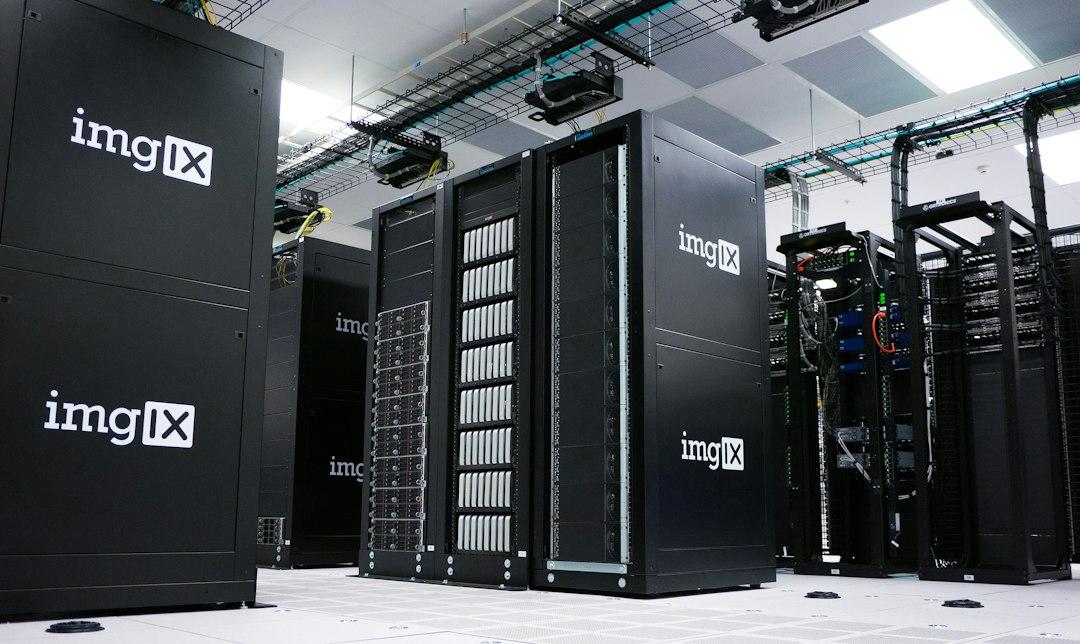
By integrating these technologies into a cohesive system, managed hosting environments ensure consistent performance even during peak demand. Rather than reacting to slowdowns, hosting teams proactively tune server settings, database configurations, and caching strategies.
The result is not just faster load times but a smoother, more reliable user experience.
Proactive Monitoring and Issue Prevention
High-traffic environments leave little margin for error. A few minutes of downtime can translate into substantial revenue loss and reputational damage. Managed hosting includes continuous monitoring—often 24/7—by seasoned system administrators.
This monitoring covers:
- CPU and memory usage
- Network traffic patterns
- Disk performance and storage thresholds
- Application and database health
When anomalies are detected, hosting providers can intervene before minor irregularities escalate into critical failures. Instead of relying on internal teams to notice an issue after customers complain, managed services employ automated alerts and proactive diagnostics.
This preventative approach dramatically reduces unexpected outages.
Enhanced Security for High-Risk Environments
Websites with significant traffic are often prime targets for cyberattacks. Malicious actors view high visibility as both an opportunity for disruption and data theft. Security, therefore, must be robust and continuously updated.
Managed hosting typically includes:
- Firewall configuration and management
- DDoS mitigation systems
- Malware scanning and removal
- Regular security patches and updates
- SSL management and encryption support

Unlike unmanaged environments where businesses must manually implement security measures, managed hosting providers handle these protections as part of their core service. This reduces vulnerabilities caused by delayed patching or misconfigurations.
Security becomes an integrated, ongoing process rather than a reactive task.
Scalability Without Disruption
Growth is a positive challenge—but it can strain unprepared infrastructure. A campaign that drives traffic beyond anticipated levels can overwhelm traditional hosting setups. Managed hosting environments are designed with scalability in mind.
Scalable solutions may include:
- Vertical scaling (increasing server resources)
- Horizontal scaling (adding additional servers)
- Cloud elasticity to handle burst traffic
- Auto-scaling configurations for sudden surges
This flexibility ensures that expansion does not require a full migration or prolonged downtime. Instead, resources can be adjusted dynamically to match demand.
For high-traffic websites, this capability is critical during:
- Holiday sales events
- Media coverage spikes
- Product releases
- Seasonal promotions
Managed hosting providers plan capacity in advance and maintain infrastructure designed to grow alongside the business.
Expert Support and Technical Guidance
Operating high-performance infrastructure requires specialized knowledge. Server tuning, database optimization, and load balancing strategies are not always within the expertise of internal development teams. Managed hosting offers direct access to experienced administrators.
This support often includes:
- Performance audits
- Infrastructure consultations
- Troubleshooting assistance
- Migration planning and execution
When critical issues arise, dedicated support teams respond rapidly. This level of expertise is particularly valuable for organizations without a full-scale IT department.
Rather than hiring and training infrastructure specialists, businesses leverage the provider’s established knowledge base.
Cost Efficiency Through Operational Focus
While managed hosting may appear more expensive upfront than basic shared plans, it often proves cost-effective for high-traffic sites. Downtime, poor performance, and security breaches can incur far greater expenses than the hosting itself.

Cost efficiencies are achieved through:
- Reduced need for in-house server administration
- Minimized downtime-related revenue losses
- Avoidance of emergency repair costs
- Streamlined infrastructure management
By consolidating technical maintenance under a managed service, companies can focus internal resources on product development, marketing, and customer engagement.
Compliance and Data Protection Support
High-traffic websites often handle large volumes of user data. Compliance with regulations such as GDPR or industry-specific standards requires rigorous data protection measures. Managed hosting providers frequently incorporate compliance-ready frameworks into their infrastructure.
These may include:
- Secure data storage practices
- Access control management
- Regular backups and disaster recovery plans
- Audit logs and monitoring trails
Such features reduce legal risk and provide organizations with structured processes for safeguarding sensitive information.
Disaster Recovery and Business Continuity
No system is immune to unexpected failures. Hardware malfunctions, software conflicts, or cyberattacks can disrupt operations. Managed hosting solutions are typically built with redundancy and disaster recovery planning in place.
Business continuity strategies include:
- Automated daily backups
- Off-site data replication
- Failover systems
- Rapid restoration protocols
These safeguards minimize downtime and allow operations to resume quickly. For high-traffic platforms generating revenue around the clock, this resilience is invaluable.
The Strategic Advantage
Managed hosting does more than maintain servers—it enables growth. By offloading complex infrastructure management, businesses gain time and clarity to innovate. Technical stability becomes a foundation rather than a recurring concern.
In a competitive digital landscape, reliability and performance directly influence brand trust. Customers expect seamless interactions, fast loading pages, and uninterrupted service. Managed hosting ensures that technical infrastructure aligns with these expectations.
For high-traffic websites, the choice is less about convenience and more about sustainability. Managing servers internally can be feasible at small scales, but as traffic grows, complexity multiplies. Managed hosting offers a structured, professionally maintained solution built to handle scale, risk, and evolving demands.
Frequently Asked Questions (FAQ)
1. What is managed hosting?
Managed hosting is a service where the hosting provider handles server setup, maintenance, monitoring, security, and performance optimization. Clients focus on their website or application while experts manage the infrastructure.
2. How does managed hosting differ from shared hosting?
Shared hosting places multiple websites on the same server with limited dedicated resources. Managed hosting often uses dedicated or optimized cloud servers with professional oversight, delivering higher performance, reliability, and security.
3. Is managed hosting only necessary for very large websites?
While particularly beneficial for high-traffic platforms, any growing website that values uptime, performance, and security can benefit. It becomes increasingly essential as traffic volumes rise.
4. Can managed hosting handle sudden traffic spikes?
Yes. Managed hosting environments commonly include load balancing, scalable cloud resources, and proactive capacity planning to accommodate traffic surges without downtime.
5. Does managed hosting improve website speed?
In most cases, yes. Providers optimize server configurations, caching systems, and content delivery networks to ensure faster load times and stable performance under heavy usage.
6. Is managed hosting secure?
Managed hosting typically includes advanced security measures such as firewalls, DDoS mitigation, malware scanning, regular patching, and monitoring—offering stronger protection than unmanaged alternatives.
7. What happens if a server fails?
Managed hosting providers usually have redundancy and failover systems in place. Backups and disaster recovery protocols allow rapid restoration to minimize disruption.
For organizations operating high-traffic websites, managed hosting is not merely a convenience—it is a strategic investment in stability, growth, and long-term success.