


Retail jobs are among the most common entry points into the workforce, but they also support long-term careers in management, merchandising, operations, customer experience, and sales strategy. A retail job involves helping customers buy products or services in stores, online, or through a combination of both. While many people think of retail as cashier work or stocking shelves, the field includes a wide range of responsibilities that keep businesses running smoothly.
TLDR: A retail job is a customer-facing or operations-focused role within a business that sells goods or services directly to consumers. Retail employees may handle sales, customer service, inventory, merchandising, payments, and store organization. These roles can provide flexible work, transferable skills, and career paths into supervision, management, buying, marketing, logistics, and corporate retail positions.
What Is a Retail Job?
A retail job is any role connected to selling products or services directly to customers. Retail employees may work in clothing stores, supermarkets, electronics shops, pharmacies, furniture stores, bookstores, department stores, specialty boutiques, or online retail operations. Some roles are highly customer-facing, while others focus on inventory, order fulfillment, visual presentation, or back-office support.
Retail can take place in a physical shop, through an e-commerce platform, or in an omnichannel environment where customers browse online and collect items in store. Because modern retail blends technology, service, logistics, and sales, employees often need a mix of communication, problem-solving, and organizational skills.

Common Retail Roles
Retail businesses usually rely on several types of employees to serve customers and maintain daily operations. Common retail roles include:
- Sales associate: Helps customers find products, answers questions, recommends items, and supports sales goals.
- Cashier: Processes purchases, returns, exchanges, discounts, and payment transactions.
- Stock associate: Receives shipments, organizes stockrooms, replenishes shelves, and monitors inventory levels.
- Visual merchandiser: Designs product displays, window arrangements, and store layouts to attract customers.
- Customer service representative: Handles complaints, product questions, refunds, loyalty programs, and service issues.
- Department supervisor: Oversees a section of the store, supports staff, tracks performance, and ensures presentation standards.
- Assistant manager: Helps manage schedules, staff training, store operations, sales targets, and customer concerns.
- Store manager: Leads the entire store, manages budgets, supervises employees, and is responsible for profitability and performance.
- E-commerce fulfillment associate: Picks, packs, ships, and prepares online orders for delivery or in-store pickup.
Key Responsibilities in Retail
Although duties vary by company and role, most retail jobs share several core responsibilities. One of the most important is customer service. Retail employees are expected to greet customers, listen to their needs, provide accurate information, and create a positive shopping experience. Strong service can influence whether a customer returns or recommends the business to others.
Another major responsibility is sales support. Employees may demonstrate products, explain features, suggest add-ons, promote special offers, and help customers compare options. In some retail jobs, workers are expected to meet sales targets or encourage customers to join loyalty programs.
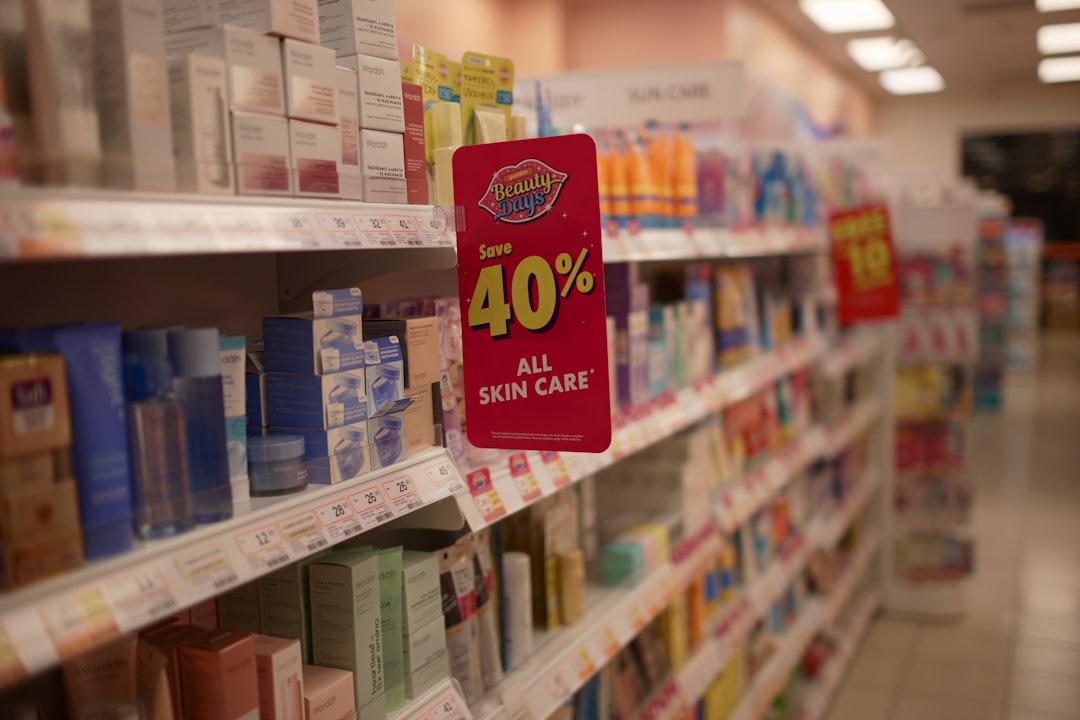
Retail employees also help with store presentation. This may include folding clothes, arranging shelves, cleaning fitting rooms, placing price tags, building displays, and ensuring products are easy to find. A tidy, well-organized store can increase sales and improve customer satisfaction.
Inventory-related duties are also common. Retail workers may unload deliveries, count stock, check product availability, rotate perishable goods, remove damaged items, and report shortages. In many stores, accurate inventory management helps prevent lost sales and minimizes waste.
Skills Needed for a Retail Job
Retail work develops a broad set of practical, transferable skills. Communication is essential because employees interact with customers, coworkers, supervisors, and sometimes suppliers. Clear communication helps prevent misunderstandings and supports better service.
Problem-solving is also important. Retail workers may need to deal with upset customers, missing items, incorrect prices, long queues, or technical issues at checkout. The ability to stay calm and find solutions is highly valuable.
Other important retail skills include:
- Patience: Useful when handling complaints, questions, or busy shopping periods.
- Attention to detail: Important for pricing, cash handling, orders, and merchandising.
- Teamwork: Retail employees often depend on one another during rushes, deliveries, and closing tasks.
- Time management: Workers must balance customer service with cleaning, restocking, and administrative duties.
- Basic technology skills: Many roles use point-of-sale systems, inventory software, scanners, tablets, and scheduling apps.
- Sales awareness: Employees benefit from understanding customer needs and matching them with suitable products.
Work Environment and Schedule
Retail jobs are usually fast-paced, especially during weekends, holidays, seasonal sales, and product launches. Employees may spend much of the day standing, walking, lifting merchandise, or assisting customers on the sales floor. Some roles involve working behind a counter, in a stockroom, or in a fulfillment area.
Schedules can vary widely. Retail positions may be full-time, part-time, seasonal, temporary, or flexible. Many stores operate evenings, weekends, and public holidays, so employees may need to work nontraditional hours. For students, caregivers, or people seeking extra income, this flexibility can be an advantage. For others, irregular shifts may be a challenge.
Career Opportunities in Retail
Retail can be more than a short-term job. Many managers and corporate retail professionals begin as sales associates, cashiers, or stockroom employees. With experience, strong performance, and leadership ability, employees can move into senior positions.
Typical career paths include progression from sales associate to senior associate, supervisor, assistant manager, and store manager. From there, experienced professionals may become district managers, regional managers, operations managers, or training managers. Retail workers with an interest in product trends may move into buying or merchandising, where teams decide which products to sell and how to price or display them.
Other career opportunities include roles in e-commerce, supply chain, customer experience, human resources, marketing, loss prevention, and analytics. As retail businesses continue to use digital tools, employees with experience in online orders, customer data, and inventory systems may find growing opportunities.

Benefits and Challenges of Retail Work
Retail work offers several benefits. It can provide quick entry into employment, on-the-job training, flexible scheduling, employee discounts, and opportunities to develop confidence. It is also a strong environment for learning how to communicate with different types of people.
However, retail jobs can also be demanding. Employees may need to manage difficult customers, long hours on their feet, repetitive tasks, and pressure to meet sales targets. Holiday seasons and major promotions can be especially stressful. Success in retail often depends on resilience, professionalism, and the ability to remain helpful under pressure.
How to Get a Retail Job
Many entry-level retail jobs do not require a college degree. Employers usually look for reliability, friendliness, availability, and a willingness to learn. Previous customer service, volunteer, hospitality, or sales experience can be helpful, but it is not always required.
A strong retail resume should highlight communication skills, punctuality, teamwork, cash handling, product knowledge, and any experience working with customers. During interviews, candidates often improve their chances by giving examples of how they handled problems, worked in a team, or helped someone make a decision.
FAQ
What does a retail worker do?
A retail worker helps customers, processes sales, organizes products, restocks shelves, handles returns, and supports the daily operation of a store or retail business.
Is retail a good first job?
Retail is often a good first job because it teaches communication, responsibility, teamwork, time management, and customer service skills that apply to many industries.
What qualifications are needed for a retail job?
Most entry-level retail jobs require basic communication skills, reliability, and a positive attitude. Some roles may require cash handling experience, product knowledge, or management experience.
Can a retail job become a career?
Yes. Retail can lead to careers in store management, merchandising, buying, operations, e-commerce, marketing, logistics, and regional leadership.
What are the main challenges in retail?
The main challenges include dealing with difficult customers, standing for long periods, working evenings or weekends, handling busy seasons, and meeting sales or performance targets.