

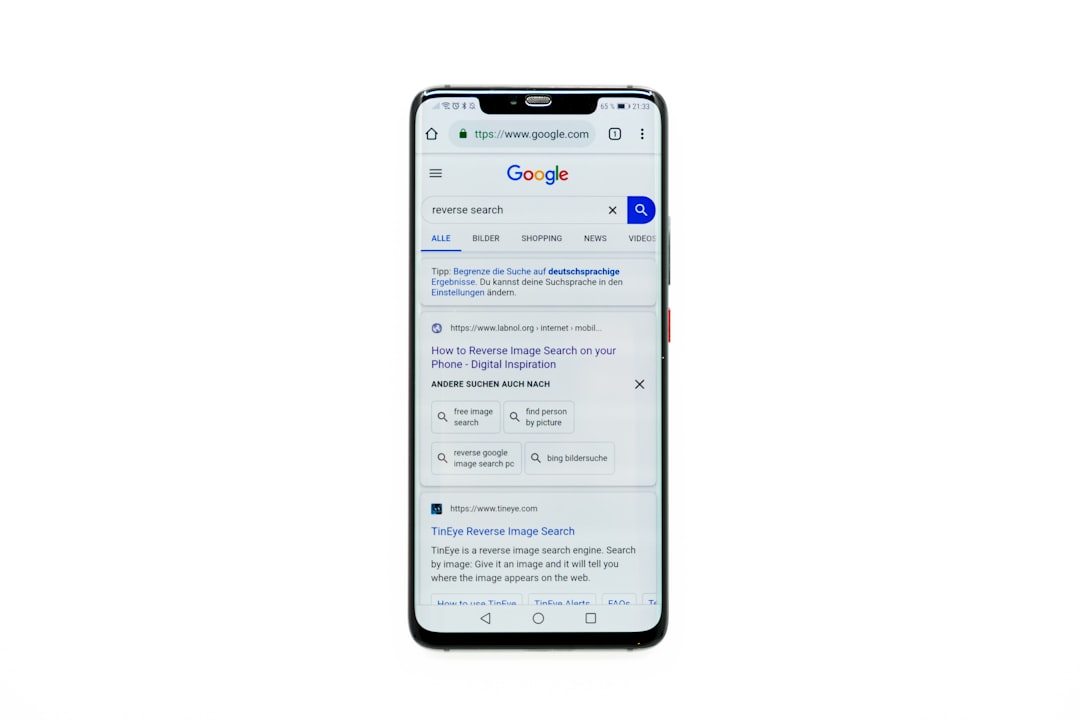
When people search for a nearby plumber, café, dentist, boutique, or repair shop, they usually do not begin with a website address. They search on Google, maps, directories, review platforms, social media, or voice assistants. Web listings are the business profiles that appear across those platforms, helping customers discover, evaluate, and contact local companies at the exact moment they are looking for them.
TLDR: Web listings are online business profiles that display key details such as your name, address, phone number, website, hours, services, photos, and reviews. They help improve local SEO by making your business easier for search engines and customers to find. Accurate, consistent listings build trust, increase visibility in map results, and drive more calls, visits, and website traffic.
What Are Web Listings?
A web listing is a digital profile for a business, organization, or professional service published on an online platform. These listings can appear on search engines, map apps, business directories, industry-specific sites, review platforms, and social networks. Common examples include profiles on Google Business Profile, Apple Maps, Bing Places, Yelp, Facebook, TripAdvisor, and local chamber of commerce directories.
At a basic level, a web listing contains what marketers often call NAP information: name, address, and phone number. However, modern listings usually include much more, such as business hours, service areas, descriptions, categories, menus, products, appointment links, photos, videos, FAQs, customer reviews, and directions.
For local businesses, these listings act like digital storefronts. Even if a customer never visits your website, they may use your listing to call you, check your hours, read reviews, request directions, or book a service. In many cases, your listing is the first impression your business makes online.
Why Web Listings Matter for Local SEO
Local SEO is the process of improving your online presence so your business appears when nearby customers search for products or services you offer. Web listings are one of the foundation pieces of local SEO because search engines use them to understand whether your business is real, relevant, trusted, and located where you say it is.
Search engines compare information from multiple sources. If your business name, address, phone number, and website are consistent across reputable listing sites, it sends a positive trust signal. If your details are incomplete, outdated, or contradictory, search engines may be less confident about showing your business prominently in local results.
For example, imagine a café listed with three different phone numbers across different websites, two different opening times, and an old address on a map platform. That inconsistency can confuse both search engines and customers. A clean listing ecosystem makes your business easier to verify and easier to recommend.
Key Benefits of Web Listings
- Improved local visibility: Listings help your business appear in local search results, map packs, directory searches, and “near me” searches.
- More website traffic: A complete listing can include a direct link to your website, service pages, online store, or booking form.
- More phone calls and visits: Customers can call, message, request directions, or visit your location directly from a listing.
- Stronger customer trust: Accurate information, professional photos, and positive reviews make your business look credible.
- Better mobile discovery: Many local searches happen on smartphones, where listings and maps often appear before traditional website results.
- Additional review opportunities: Listings give customers places to share feedback, which can influence future buyers.
How Listings Influence Online Visibility
Online visibility is not just about ranking on page one of a search engine. It is about being present wherever your customers are searching. A person may find a restaurant through a map app, compare dentists on a review site, discover a contractor through a local directory, or ask a voice assistant for “the best car wash near me.” Web listings give your business multiple entry points across the web.
This broader presence is especially valuable for small and local businesses that compete with larger brands. A well-optimized listing can put a neighborhood business in front of high-intent customers who are ready to act. Someone searching “emergency locksmith near me” or “wedding florist open Saturday” is not casually browsing; they are likely close to making a decision.
What Makes a Good Web Listing?
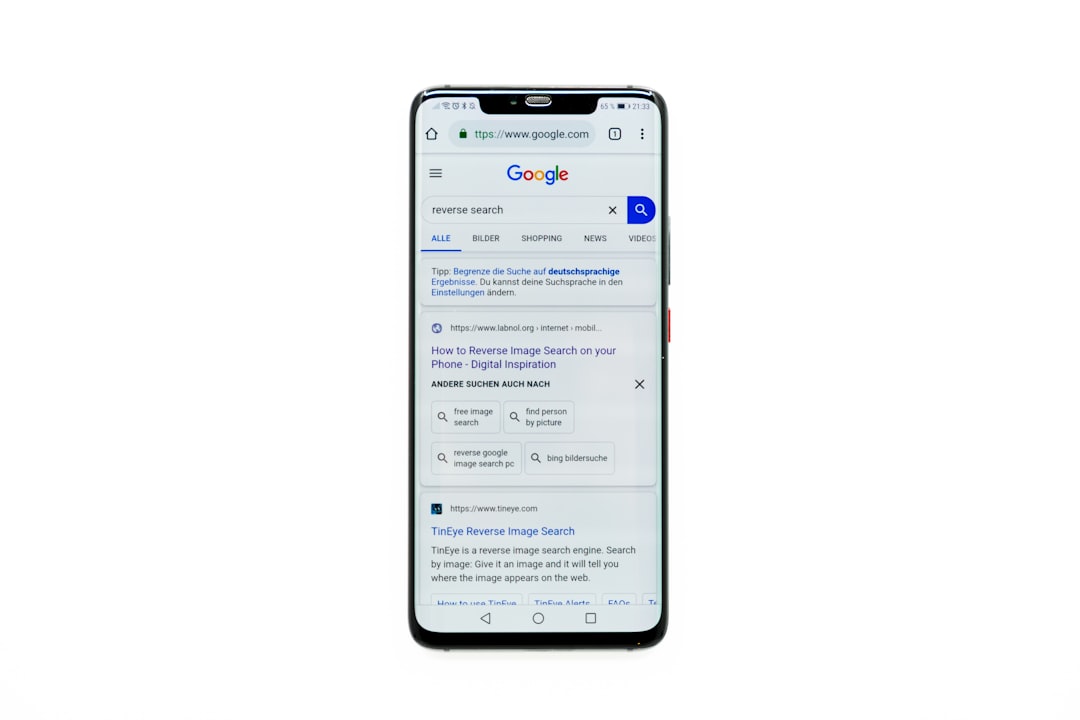
A strong web listing is complete, accurate, consistent, and engaging. Filling in the minimum details is not enough if you want the best results. The more helpful your listing is, the more likely customers are to choose your business over a competitor.
- Use the exact business name: Avoid adding extra keywords that are not part of your real name. Consistency matters.
- Keep your address and phone number current: Update every major platform when you move, change numbers, or add locations.
- Select the right categories: Categories help platforms understand what your business does and which searches you should appear for.
- Write a clear description: Explain who you serve, what you offer, and what makes your business different.
- Add high-quality photos: Include your storefront, team, products, interior, completed work, or service examples.
- Maintain accurate hours: Update holiday hours, seasonal hours, and temporary closures to avoid frustrating customers.
- Encourage reviews: Ask satisfied customers to leave honest feedback, and respond professionally to both positive and negative reviews.
The Role of Reviews in Web Listings
Reviews are one of the most persuasive parts of a web listing. They provide social proof, helping potential customers decide whether your business is reliable. A listing with recent, detailed reviews often feels more trustworthy than one with no feedback or reviews from several years ago.
Reviews may also support local SEO. While platforms use many ranking signals, review quantity, quality, freshness, and responses can all contribute to how people and algorithms perceive your business. A steady flow of authentic reviews shows that your company is active and serving real customers.
It is important to respond to reviews with professionalism. Thank happy customers, address concerns calmly, and avoid arguments. Even a negative review can become a trust-building moment if your response shows accountability and care.
Common Listing Mistakes to Avoid
Many businesses create listings once and forget about them. That can lead to missed opportunities and outdated information. A listing should be treated as a living marketing asset, not a one-time task.
- Inconsistent NAP details: Different names, addresses, or phone numbers across platforms can weaken trust.
- Duplicate listings: Multiple profiles for the same location can confuse customers and split reviews.
- Missing categories: Without proper categories, your listing may appear for fewer relevant searches.
- Low-quality photos: Blurry, outdated, or irrelevant images can make a business look neglected.
- Unanswered reviews: Ignoring customer feedback may suggest poor communication.
- Old business hours: Incorrect hours can lead to wasted trips and negative customer experiences.
Web Listings and Customer Behavior
Today’s customers expect quick answers. They want to know where you are, when you are open, whether others trust you, and how to contact you. A strong listing provides those answers instantly. This convenience can shorten the path from search to sale.
For service-based businesses, listings can generate direct calls and appointment requests. For restaurants and retailers, they can increase foot traffic. For professional firms, they can improve credibility before a customer ever speaks with anyone. In each case, the listing reduces friction and makes the next step easy.

How to Get Started
Begin by searching for your business online and making a list of existing profiles. Claim the most important listings first, especially major search, map, social, and review platforms. Then verify your information, remove duplicates where possible, and complete every relevant field.
Next, expand to reputable niche and local directories. A hotel may prioritize travel platforms, while a contractor may focus on home service directories. A medical practice, law office, fitness studio, or restaurant may each benefit from different industry-specific listing sites.
Finally, create a simple maintenance schedule. Review your listings every few months, update photos, check hours, respond to reviews, and make sure links still work. If your business changes locations, phone numbers, services, or operating hours, update listings immediately.
Final Thoughts
Web listings are more than online address books. They are powerful local marketing tools that influence how customers discover, judge, and contact your business. When managed well, they improve local SEO, strengthen online visibility, build credibility, and turn searchers into real customers.
For any local business, the goal is simple: be easy to find, easy to trust, and easy to contact. Accurate and optimized web listings help you achieve all three.