


In an era where cyberattacks are increasingly sophisticated and relentless, businesses can no longer afford to treat website security as an afterthought. From small e-commerce stores to global enterprises, any organization with an online presence faces continuous threats. Website security scanning tools like Qualys have emerged as powerful allies in the fight against vulnerabilities, helping companies proactively identify and remediate risks before attackers exploit them.
TLDR: Website security scanning tools like Qualys help organizations detect vulnerabilities, misconfigurations, and compliance gaps across web applications and infrastructure. They automate risk discovery through continuous monitoring, detailed reporting, and prioritized remediation guidance. By using these tools proactively, businesses can prevent breaches, maintain regulatory compliance, and strengthen overall cybersecurity posture. Investing in automated scanning significantly reduces the likelihood of costly security incidents.
Understanding how these tools work—and why they matter—can make the difference between a resilient digital operation and a costly data breach.
Why Website Security Scanning Is Essential
Modern websites are complex ecosystems. They rely on application servers, APIs, databases, cloud services, plugins, and third-party integrations. Each component introduces potential vulnerabilities. Attackers continuously scan the internet for weaknesses such as:
- Outdated software versions
- Misconfigured servers
- Open ports and exposed services
- SQL injection vulnerabilities
- Cross-site scripting (XSS) flaws
- Weak SSL/TLS configurations
Manual security checks are no longer enough. The pace and scale of threats require automated, continuous scanning tools that can detect risks in real time and provide actionable intelligence.
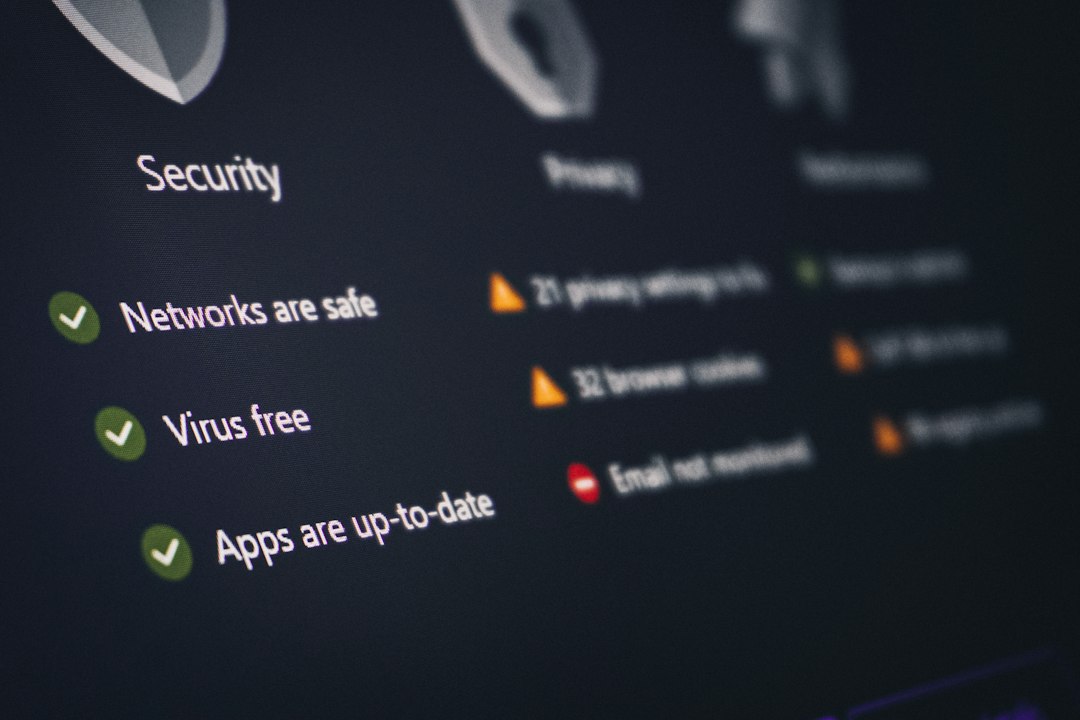
What Are Website Security Scanning Tools?
Website security scanning tools are specialized platforms designed to identify vulnerabilities across web applications, networks, and systems. Tools like Qualys provide cloud-based solutions that perform comprehensive security assessments without requiring complex on-premise installations.
These platforms typically offer:
- Vulnerability management
- Web application scanning
- Malware detection
- Compliance monitoring
- Asset discovery and inventory
- Threat prioritization
Qualys, in particular, is widely respected for its scalable architecture and continuous monitoring capabilities. It provides organizations with visibility into both internal and external risks.
How Qualys Identifies Risks
Qualys uses a cloud-based scanning engine that systematically analyzes assets connected to your network. The process typically involves several stages:
1. Asset Discovery
Before identifying vulnerabilities, the system must first locate all digital assets. Qualys continuously maps servers, devices, virtual machines, containers, and web applications. Many organizations are surprised to discover “shadow IT” systems they didn’t know existed.
2. Vulnerability Detection
The platform compares detected assets against a constantly updated database of known vulnerabilities (such as CVEs). It checks for:
- Missing patches
- Configuration weaknesses
- Software flaws
- Authentication problems
This automated testing approach ensures that newly disclosed vulnerabilities can be identified quickly across all systems.
3. Risk Prioritization
Not all vulnerabilities pose equal danger. Qualys assigns severity levels based on industry scoring systems like CVSS (Common Vulnerability Scoring System). By categorizing vulnerabilities as critical, high, medium, or low risk, teams can focus on what matters most.
4. Reporting and Remediation Guidance
Clear, actionable reporting is a core strength of advanced scanning tools. Rather than simply listing technical flaws, they provide remediation steps such as patch updates, configuration changes, or code modifications.
Key Features That Differentiate Qualys
While many security tools exist, Qualys stands out in several important ways:
- Cloud-based infrastructure: No heavy hardware installations required.
- Continuous monitoring: Not just periodic scans, but ongoing evaluation.
- Scalability: Supports small businesses and enterprise-level operations.
- Integrated compliance tools: Assists with frameworks like PCI DSS, ISO 27001, and GDPR.
- Centralized dashboard: A unified view of risks across assets.
This unified ecosystem approach reduces complexity and improves security management efficiency.

The Role of Compliance and Regulations
Security scanning isn’t just about preventing hackers—it’s also about meeting regulatory requirements. Many industries mandate strict cybersecurity controls. For example:
- PCI DSS requires vulnerability scanning for businesses handling card payments.
- HIPAA demands protection of patient health information.
- GDPR emphasizes data protection and breach prevention.
Tools like Qualys automate compliance assessments, generating reports that demonstrate adherence to regulatory standards. This simplifies audits and reduces legal exposure.
Web Application Scanning in Depth
Web applications are prime targets for cybercriminals. Attackers frequently exploit input fields, login forms, and APIs to gain unauthorized access.
Web Application Scanning (WAS) tools within platforms like Qualys simulate real-world attack scenarios, testing for vulnerabilities such as:
- SQL injection
- Cross-site scripting (XSS)
- Cross-site request forgery (CSRF)
- Authentication bypass flaws
The scanner crawls the website just like an attacker would, analyzing every reachable page and parameter. This dynamic assessment is critical for identifying hidden weaknesses in complex web environments.
Continuous Monitoring vs. One-Time Scanning
One of the most common misconceptions about website security is that a single scan is sufficient. In reality, new vulnerabilities emerge daily. Software updates, code changes, and configuration adjustments can all introduce new risks.
Continuous monitoring ensures that organizations:
- Detect newly disclosed vulnerabilities quickly
- Monitor patch effectiveness
- Track remediation progress
- Maintain ongoing compliance
Qualys supports scheduled and automated scans, ensuring security becomes an ongoing process rather than a periodic task.
Benefits for Businesses
Implementing a robust scanning solution delivers tangible advantages:
Reduced Risk of Data Breaches
By identifying exploitable weaknesses before attackers do, companies dramatically lower breach probability.
Improved Incident Response
Comprehensive asset visibility allows security teams to respond quickly when incidents occur.
Cost Savings
Preventing a breach is far less expensive than dealing with regulatory fines, reputational damage, and customer loss.
Increased Customer Trust
Demonstrating strong cybersecurity practices reassures customers that their data is safe.

Challenges and Considerations
While powerful, website security scanning tools are not magic solutions. Organizations must be aware of certain challenges:
- False positives: Some scans may flag issues that are not exploitable.
- Configuration complexity: Improper setup can limit scan accuracy.
- Resource requirements: Teams must review and act on reports.
- Integration planning: Tools should align with DevOps pipelines and existing security workflows.
To maximize effectiveness, businesses should integrate scanning tools into their broader cybersecurity strategy, including penetration testing, employee training, and incident response planning.
The Future of Website Security Scanning
As cyber threats evolve, scanning technologies are becoming smarter. Artificial intelligence and machine learning are increasingly integrated into vulnerability management platforms. These enhancements allow tools to:
- Predict likely attack paths
- Correlate vulnerabilities with real-world exploit trends
- Automate remediation workflows
- Prioritize risks based on business impact
Cloud-native environments, containerized applications, and remote workforces are reshaping the threat landscape. Vendors like Qualys continue innovating to ensure their scanning engines remain effective in distributed and hybrid infrastructures.
Best Practices for Using Security Scanning Tools
To get the most value from a solution like Qualys, organizations should:
- Conduct regular internal and external scans
- Integrate scanning into CI/CD pipelines for early vulnerability detection
- Establish clear remediation timelines based on severity levels
- Assign ownership for patch management
- Review reports in executive and technical meetings
Security scanning should become part of the organizational culture—not just an IT responsibility. Leadership support is critical for prioritizing investments and response efforts.
Conclusion
Website security scanning tools like Qualys play a vital role in modern cybersecurity defense. By automating asset discovery, vulnerability detection, risk prioritization, and compliance reporting, they provide a comprehensive approach to identifying and managing digital risks.
In today’s interconnected world, cyber threats are inevitable—but preventable breaches are not. Proactive scanning transforms security from a reactive firefighting effort into a strategic advantage. Organizations that embrace continuous vulnerability management not only protect their data but also strengthen customer trust, regulatory compliance, and long-term resilience.
Ultimately, investing in advanced security scanning is not just about technology—it is about safeguarding the future of your digital presence.