


Learning games have moved far beyond simple quizzes and classroom time-fillers. Today’s best platforms combine curriculum support, student engagement, friendly competition, and creative exploration in ways that work for both formal education and casual learning at home. Whether you teach a full class, tutor one student, run an after-school club, or simply want a smarter alternative to screen time, the right game-based platform can make learning feel active, social, and memorable.
TLDR: The best classroom game platforms are those that balance fun with meaningful learning outcomes. Tools like Kahoot!, Quizizz, Blooket, Gimkit, Minecraft Education, Prodigy, and Nearpod offer different strengths, from fast review games to immersive simulations. For casual learning, platforms such as Duolingo, ABCya, Code.org, and PBS Kids Games are easy to access and highly engaging. The right choice depends on age group, subject, classroom goals, and how much teacher control you need.
What Makes a Great Classroom Learning Game Platform?
A strong learning game platform does more than entertain. It should help students practice skills, receive feedback, and stay motivated without overwhelming teachers or parents. The best platforms usually include clear learning goals, intuitive navigation, age-appropriate content, and some way to track progress.
For classroom use, teacher dashboards and assignment tools are especially valuable. In casual learning environments, accessibility and replay value matter more. A child may return to a game repeatedly if it feels rewarding, but the platform still needs to encourage real thinking rather than random clicking.
- Engagement: Students should want to participate without constant prompting.
- Educational value: Games should reinforce knowledge, skills, or problem-solving.
- Ease of use: Teachers and learners should be able to get started quickly.
- Flexibility: The platform should support different subjects, ages, and learning styles.
- Feedback: Learners benefit from knowing what they got right and where they need support.
1. Kahoot!
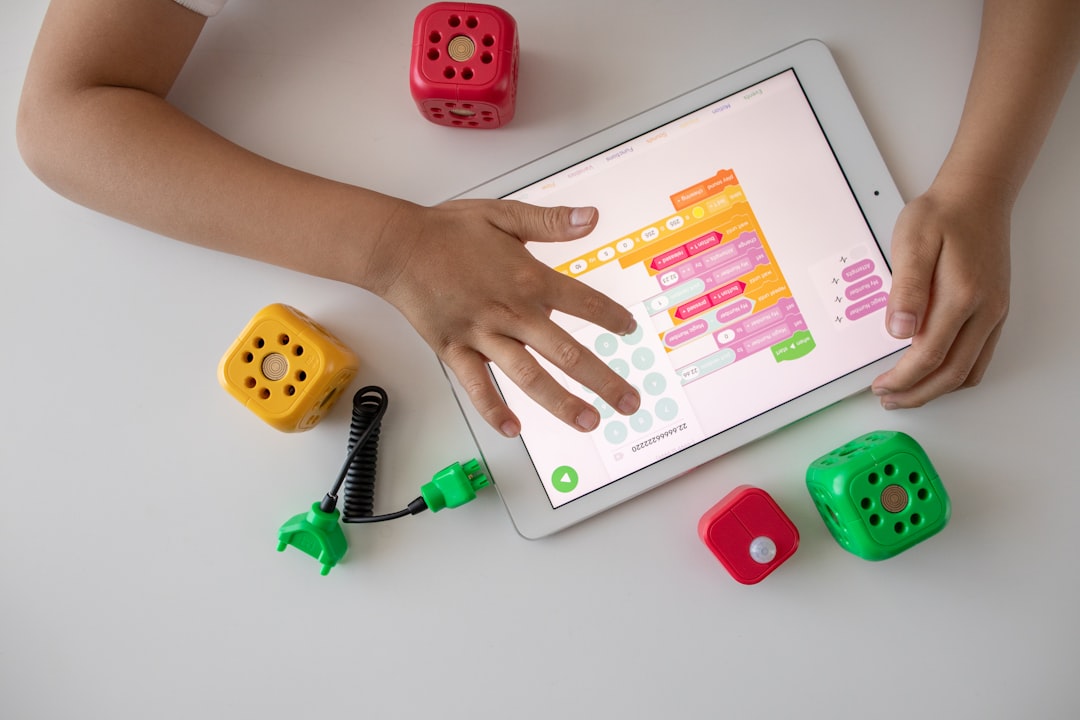
Kahoot! remains one of the most recognizable classroom game platforms because it turns quizzes into energetic live competitions. Teachers can create multiple-choice questions, polls, and review games, while students join using a simple game code. Its colorful interface and fast pace make it ideal for review sessions, icebreakers, and end-of-unit checks.
What makes Kahoot! effective is its simplicity. It works well with large groups and requires very little setup. However, because it rewards speed, teachers may want to use it alongside slower activities that allow deeper thinking.
2. Quizizz
Quizizz offers a more flexible quiz game experience than many live-only tools. Students can play together in real time or complete assignments at their own pace. The platform includes memes, power-ups, and leaderboards, but it also gives teachers useful reports on accuracy and progress.
Quizizz is especially helpful for homework, test preparation, and differentiated instruction. Since students can work independently, it reduces the pressure that some learners feel in fast live competitions.
3. Blooket
Blooket has become a favorite among students because it combines quiz questions with mini-game formats. Instead of simply answering for points, students might collect virtual items, defend towers, or compete in themed challenges. This makes review feel less repetitive.
Teachers can import question sets or create their own. Blooket is excellent for vocabulary, math facts, science review, and trivia-style practice. Its casual feel makes it appealing, but teachers should set expectations so gameplay supports learning rather than distracting from it.
4. Gimkit
Gimkit was designed by a student, and that student-centered perspective shows. Learners answer questions to earn in-game currency, which they can use for upgrades and strategies. Compared with a basic quiz tool, Gimkit adds more decision-making and replay value.
It works particularly well for repeated practice. Students are motivated to answer more questions because progress in the game depends on it. For teachers, Gimkit can be a powerful tool for reinforcing facts, formulas, vocabulary, and key concepts.
5. Minecraft Education
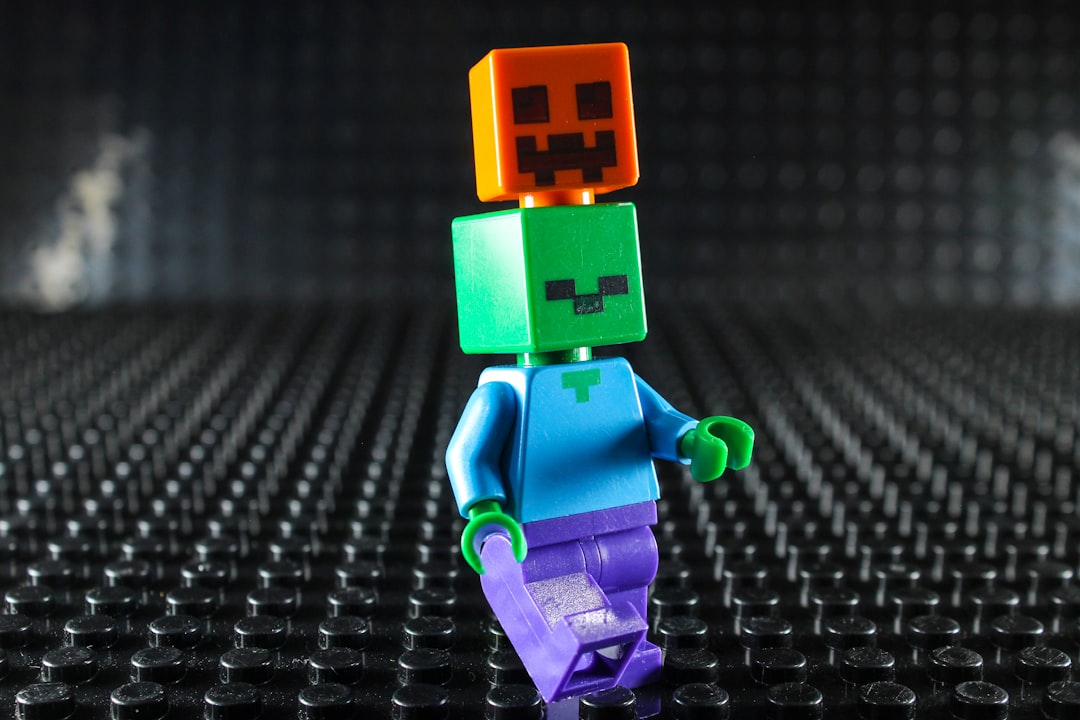
Minecraft Education is one of the most powerful platforms for project-based and exploratory learning. It allows students to build, collaborate, simulate systems, and solve problems inside a familiar block-based world. Lessons can cover history, science, coding, environmental studies, architecture, and digital citizenship.
Unlike quick quiz platforms, Minecraft Education encourages long-form learning. Students can recreate historical landmarks, model ecosystems, code agents, or design sustainable cities. It is especially effective when teachers provide clear goals and reflection activities.
6. Prodigy
Prodigy is best known as a math learning game for elementary and middle school learners. Students explore a fantasy world, battle creatures, and progress by answering math questions. The game adapts to student performance, making it useful for personalized practice.
Prodigy’s strength is that it hides repetition inside an adventure format. Students who resist worksheets may willingly solve many more problems in a game environment. Teachers and parents can also review performance data to spot strengths and gaps.
7. Nearpod
Nearpod is not only a game platform, but it includes interactive features that make lessons more engaging. Teachers can create presentations with quizzes, polls, drawing activities, matching games, videos, and collaborative boards. Its Time to Climb game adds a playful quiz competition to lessons.
Nearpod shines when teachers want structured instruction with interactive checkpoints. It is useful for both in-person and remote learning because students can participate from their own devices while the teacher controls the pace.
8. Legends of Learning
Legends of Learning focuses on curriculum-aligned math and science games. Teachers can assign games connected to specific standards, making it easier to justify game time as meaningful academic practice. The platform includes thousands of short games, often designed to target particular skills.
This platform is a strong choice for teachers who want game-based learning without building everything from scratch. It is especially useful for science concepts that benefit from visual models and interactive experimentation.
9. Code.org
Code.org makes computer science accessible through puzzles, games, and creative coding challenges. Students can learn sequencing, loops, conditionals, events, and problem-solving through activities featuring familiar themes and characters.
It is ideal for classrooms that want to introduce coding without requiring advanced technical knowledge. The lessons are structured, beginner-friendly, and suitable for a wide range of ages. For casual learners, Code.org also offers a satisfying path from simple puzzles to creative projects.
10. Scratch
Scratch, developed by MIT, is a creative platform where students make their own interactive stories, animations, and games. Instead of only consuming educational games, learners become designers. This shift encourages logic, creativity, planning, debugging, and communication.
Scratch is excellent for project-based learning and media literacy. Students can create vocabulary games, math animations, history timelines, or original arcade-style challenges. Because it has a large online community, learners can also remix projects and learn from others.
11. Duolingo
Duolingo is one of the most popular casual learning platforms for languages. Its short lessons, streaks, rewards, and level progression make it feel game-like without requiring long sessions. Learners can practice vocabulary, grammar, listening, and pronunciation in manageable steps.
In classrooms, Duolingo can support language practice, though it works best as a supplement rather than a full curriculum. For casual learners, it is highly effective because it encourages daily habits.
12. ABCya
ABCya is designed mainly for younger learners and offers educational games in math, reading, typing, logic, and seasonal activities. Its games are simple, colorful, and easy for children to navigate. Teachers often use it for centers, early finisher activities, or skill practice.
ABCya is especially helpful in early elementary settings where students need approachable activities that reinforce foundational concepts. The platform’s casual style also makes it useful at home.

13. PBS Kids Games
PBS Kids Games offers safe, child-friendly games featuring familiar educational characters. Activities often support early literacy, social-emotional learning, science thinking, creativity, and basic math. The platform is especially valuable for preschool and early elementary learners.
Parents appreciate PBS Kids because it feels trustworthy and age-appropriate. Teachers can also use selected games to reinforce themes from stories, science lessons, or classroom discussions.
14. Baamboozle
Baamboozle is a team-based quiz game platform that works especially well when students are sharing devices or when a class does not have one device per learner. Teachers display questions, teams choose tiles, and points are awarded in a lively group format.
It is popular for language learning, vocabulary practice, general review, and warm-up activities. Its strength is classroom interaction: students talk, negotiate, and cheer each other on. This makes it a great option for building energy and participation.
15. Wordwall
Wordwall lets teachers create interactive activities such as matching games, word searches, random wheels, quizzes, sorting tasks, and maze chases. One activity can often be switched into different formats, saving preparation time and giving students variety.
Wordwall is particularly useful for vocabulary, phonics, grammar, categorization, and quick review. It works well for both classroom displays and individual practice, making it a flexible tool for many subjects.
How to Choose the Right Platform
With so many options, the best choice depends on your learning goal. If you want a high-energy review, Kahoot!, Blooket, or Baamboozle may be the right fit. If you need self-paced practice and data, Quizizz, Prodigy, or Legends of Learning may be stronger. For creativity and deeper projects, Minecraft Education and Scratch stand out.
Age also matters. Younger children usually benefit from simple navigation, bright visuals, and short activities, making ABCya and PBS Kids Games excellent choices. Older students may prefer platforms that offer strategy, customization, collaboration, or creative control.
Tips for Using Learning Games Effectively
- Set a purpose: Tell students whether the game is for review, practice, exploration, or assessment.
- Limit distractions: Choose game modes that support the lesson rather than overpower it.
- Mix competition and collaboration: Some students thrive in leaderboards, while others prefer team-based or self-paced formats.
- Review results: Use reports and class discussions to connect gameplay back to learning.
- Let students create: Platforms like Scratch and Minecraft Education become more powerful when students build their own learning experiences.
The Future of Classroom Game-Based Learning
Educational games are becoming more adaptive, creative, and connected to real classroom needs. Artificial intelligence, better analytics, immersive simulations, and collaborative virtual spaces will likely make future platforms even more personalized. Still, the core principle will remain the same: games work best when they make learners curious, active, and willing to try again.
The top classroom and casual learning game platforms are not replacements for great teaching, meaningful discussion, or hands-on experiences. Instead, they are tools that can make those experiences richer. When chosen thoughtfully, they turn practice into play, mistakes into feedback, and lessons into memorable challenges that students actually want to repeat.