

TikTok has evolved from a short-form entertainment platform into one of the most powerful discovery engines in the digital economy. Brands, creators, and entrepreneurs increasingly rely on data-driven strategies to cut through the noise and reach highly targeted audiences. Artificial intelligence (AI) is at the center of this transformation, helping users make smarter decisions about content creation, optimization, audience engagement, and scaling. When used strategically, AI does not replace creativity—it amplifies it.
TL;DR: AI-powered tools can dramatically improve TikTok growth by optimizing content strategy, audience targeting, posting schedules, and performance analytics. By leveraging predictive insights, automation, and personalization, creators can make data-backed decisions instead of relying on guesswork. The most effective strategies combine AI efficiency with authentic storytelling. Sustainable growth on TikTok today depends on understanding how algorithms and artificial intelligence work together.
The Role of AI in TikTok’s Algorithm
TikTok’s success is rooted in its highly sophisticated recommendation system. The platform analyzes user behavior—including watch time, engagement, replays, shares, and comments—to serve highly tailored content. AI models evaluate these signals in real time and determine what appears on the For You page.
Understanding this mechanism is essential for growth. AI-driven strategies focus on optimizing the signals that matter most:
- Watch time and completion rate
- User interaction velocity (likes, comments, shares)
- Relevance signals from captions, hashtags, and audio
- Consistency of posting behavior
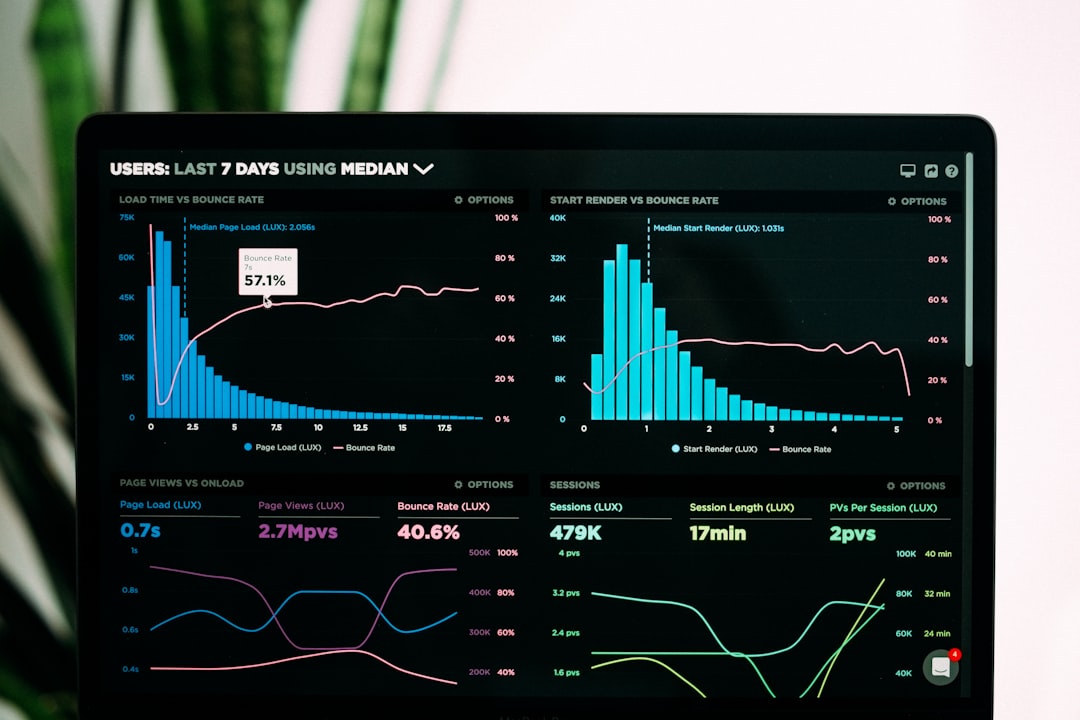
Advanced analytics platforms powered by AI can identify patterns in high-performing videos within a niche. Instead of speculating about trends, creators can see measurable indicators such as average retention rates, ideal video length, and emotional triggers that correlate with engagement spikes.

AI-Driven Content Ideation
One of the biggest barriers to consistent growth is ideation. AI tools trained on millions of data points can analyze trending topics, keyword performance, and emerging conversations. This allows creators to:
- Identify rising micro-trends before they peak
- Generate optimized hooks based on audience behavior
- Discover content gaps within their niche
- Predict seasonal engagement patterns
For example, predictive AI can forecast when interest in specific topics will surge by analyzing historical data and search intent signals. Creators can then prepare content in advance, positioning themselves ahead of competitors rather than reacting late.
However, ideation should not become robotic. The most successful creators use AI suggestions as directional insights while maintaining their own distinctive voice. Authenticity remains a non-negotiable element of trust on TikTok.
Optimizing Hooks and Retention with Machine Learning
Retention is the most decisive metric for TikTok growth. AI analysis consistently shows that the first 3–5 seconds determine whether viewers continue watching. Machine learning tools can evaluate high-performing videos across industries and extract patterns that drive retention.
Common AI-identified hook elements include:
- Clear value proposition within the first sentence
- Visual pattern interruption
- Curiosity-based framing
- Instant conflict or surprising claim
Creators can use AI-powered script optimization tools to test variations of opening lines and forecast which version is likely to perform better. Some platforms simulate attention probabilities based on historical engagement data.
Additionally, AI-assisted editing software can identify pacing issues within a video—such as prolonged pauses or redundant segments—that typically lead to drop-offs. This ensures tighter storytelling and higher completion rates.
AI-Powered Hashtag and Caption Strategy
Although TikTok’s algorithm prioritizes behavior over metadata, captions and hashtags remain important contextual signals. AI tools analyze billions of interactions to determine which keywords are trending within specific demographics and regions.
Effective AI-assisted hashtag strategies focus on:
- Relevance over popularity
- Balanced mix of broad and niche tags
- Search-intent alignment
- Localization for geographic targeting
Rather than relying on generic high-volume tags, AI can surface mid-volume keywords with strong engagement ratios. This reduces competition while maintaining discoverability.
Caption optimization tools also evaluate sentiment tone. For example, data may suggest that authoritative language performs better in educational niches, while conversational tones dominate lifestyle segments.
Predictive Posting Schedules
Timing can significantly affect a video’s early engagement signals. AI scheduling platforms monitor follower activity patterns and engagement spikes to recommend optimal publishing windows.
Key advantages of AI-based scheduling include:
- Detection of high-activity audience clusters
- Time zone optimization for global audiences
- Continuous adaptation to changing behavior trends
- Automatic A/B testing of posting times
Instead of following generic “best time to post” advice, creators receive data-backed recommendations tailored to their unique audience base.

Automated A/B Testing at Scale
Traditionally, A/B testing required manual experimentation. AI now enables rapid content experimentation by analyzing variations in:
- Thumbnails and cover frames
- Opening hooks
- Caption phrasing
- Call-to-action structures
Machine learning systems detect statistically significant differences in performance faster than human analysis. Over time, these small optimization gains compound, leading to sustained audience growth.
For brands managing multiple accounts, AI dashboards centralize insights across campaigns. Patterns that emerge in one segment can inform strategy in another, accelerating scaling efforts.
AI-Enhanced Audience Segmentation
Growth is not only about attracting views—it is about attracting the right viewers. AI tools can cluster followers into micro-segments based on behavior, content preferences, and engagement styles.
Segmentation strategies may include:
- High-engagement advocates
- Passive viewers with high watch time
- Trend-driven consumers
- Conversion-focused users
This allows creators and brands to tailor messaging with precision. For example, loyal followers may respond well to community-driven calls to action, while new viewers may prefer clear educational value.
Advanced AI platforms also predict churn risk by detecting declining engagement patterns. Proactive re-engagement campaigns can then be deployed before audience attrition occurs.
Scaling with AI-Assisted Content Repurposing
Consistency is critical for algorithmic favorability. AI tools streamline repurposing by automatically converting long-form content into optimized short clips, restructuring scripts for vertical viewing, and generating subtitles that improve accessibility.
Benefits include:
- Faster production cycles
- Enhanced accessibility through auto-captioning
- Improved international reach via translation tools
- Increased content lifespan across platforms
When aligned with performance data, repurposed content can outperform original releases by emphasizing segments already proven to drive engagement.

Ethical Considerations and Authenticity
While AI offers competitive advantages, misuse can undermine long-term credibility. Over-automation may lead to formulaic content, diminishing brand voice and audience trust.
Responsible AI usage involves:
- Maintaining transparency where appropriate
- Avoiding manipulation of engagement metrics
- Preserving human creativity and originality
- Respecting data privacy standards
Audiences are increasingly sensitive to authenticity. AI should inform decisions—not dictate them entirely. Sustainable growth depends on meaningful connection and consistent value delivery.
Building a Long-Term AI Growth Framework
Achieving scalable TikTok growth requires more than isolated tactics. A structured framework ensures continuous improvement:
- Data Collection: Monitor detailed performance metrics beyond vanity indicators.
- Pattern Identification: Use AI analytics to detect recurring success signals.
- Strategic Adaptation: Apply insights to refine hooks, pacing, and messaging.
- Performance Testing: Continuously experiment with controlled variations.
- Audience Nurturing: Prioritize engagement quality over raw follower count.
This iterative loop turns TikTok growth into a measurable, predictable process rather than a viral gamble.
The Competitive Advantage of Early Adoption
As AI tools become more accessible, competitive differentiation will depend on how strategically they are used. Early adopters who integrate predictive analytics, optimized production workflows, and intelligent segmentation systems will gain structural advantages.
However, technology alone does not guarantee results. Creators who align AI-powered insights with a strong brand identity, clear niche positioning, and community-focused interaction will outperform those who rely solely on automation.
In a rapidly evolving digital landscape, TikTok rewards adaptability. Artificial intelligence provides the clarity needed to adapt quickly and intelligently. When creativity is informed by data—and guided by ethical discipline—AI becomes a powerful engine for sustained TikTok growth.
In conclusion, AI does not replace the human element that makes TikTok dynamic and relatable. Instead, it equips creators and brands with sharper tools, deeper insights, and more efficient workflows. Those who integrate AI responsibly and strategically will not only grow faster, but also build stronger, more resilient digital communities.