

Presentation teams are evolving faster than ever before. What used to be a process centered on static slides, last‑minute edits, and endless email chains has transformed into something far more collaborative, strategic, and technology‑driven. As hybrid work becomes standard and attention spans continue to shrink, presentation makers are rethinking not just how they design slides—but what tools they rely on to build powerful visual stories.
TLDR: Presentation teams are moving away from traditional slide-only software toward collaborative, cloud-based, AI-powered platforms. Tools like Canva, Figma, Pitch, and Beautiful.ai are gaining popularity because they streamline design, improve teamwork, and add automation. These platforms blend storytelling, branding, and real-time collaboration into one seamless workflow. The shift is about speed, creativity, and smarter presentations—not just prettier slides.
The Shift from Static Slides to Strategic Storytelling
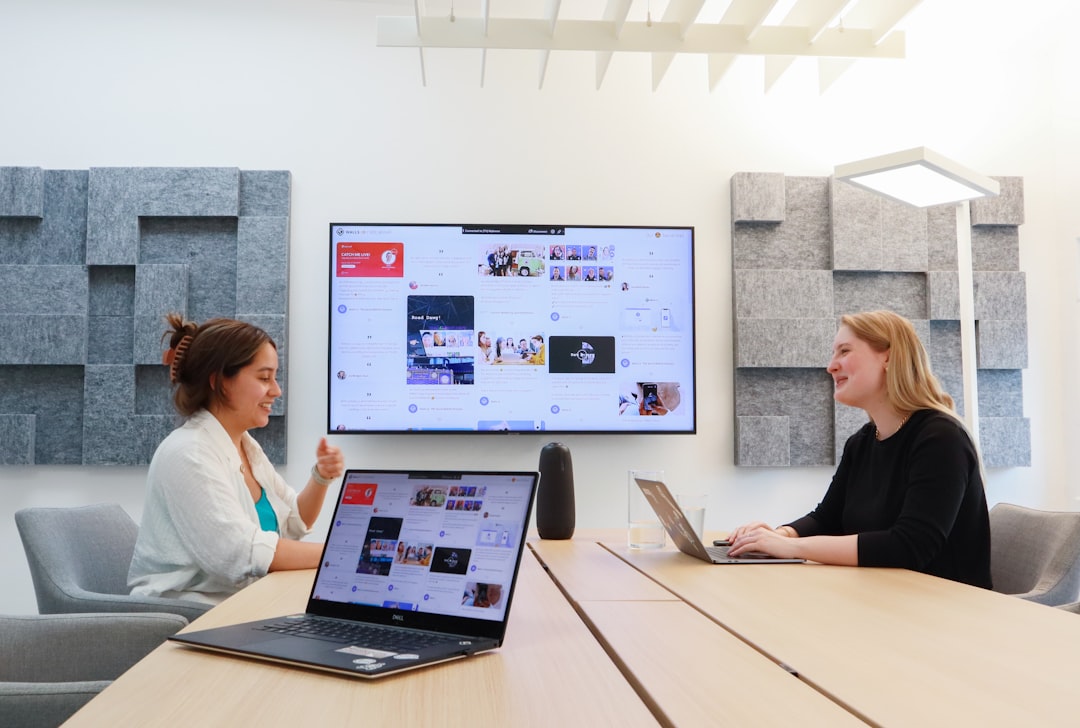
For years, presentation software was largely synonymous with desktop tools like PowerPoint or Keynote. While those platforms still play a major role, teams are no longer satisfied with just “making slides.” They want to build compelling narratives, maintain brand consistency, collaborate in real time, and integrate multimedia seamlessly.
Modern presentation teams now prioritize:
- Real-time collaboration across distributed teams
- Brand consistency through centralized design systems
- AI-assisted design and content generation
- Interactive and dynamic visuals
- Cloud accessibility and version control
This shift reflects a deeper change: presentations are no longer just communication tools—they’re strategic assets used in sales, marketing, education, and executive decision-making.
The Platforms Teams Are Switching To
Rather than relying solely on traditional slide-based tools, presentation makers are adopting platforms built for speed, collaboration, and visual impact. Below are the primary tools gaining traction across industries.
1. Canva
Canva has evolved from a simple graphic design tool into a presentation powerhouse. Its intuitive drag-and-drop interface makes it accessible to non-designers, while its template library accelerates workflow.
Why teams love it:
- Massive template and asset library
- Brand kit features for consistent design
- Easy animation and video integration
- Simple sharing and collaboration
Marketing teams especially appreciate Canva because it aligns social content, presentations, and branded materials within the same ecosystem.
2. Pitch
Pitch has positioned itself as a modern alternative to traditional slide tools. Built specifically for teams, it combines collaborative design with presentation analytics.
What sets it apart:
- Real-time collaboration
- Slide status tracking and comments
- Audience engagement analytics
- Clean, startup-friendly templates
Startups and growth companies frequently choose Pitch for investor decks and performance reports because of its sleek design and collaborative efficiency.
3. Figma (for presentations)
Originally a UI/UX design platform, Figma is now widely used to create highly customized presentations. Design-forward teams use it to build slides from scratch with pixel-level control.
Why it’s gaining traction:
- True design flexibility
- Shared libraries and components
- Seamless teamwork
- Interactive prototyping capabilities
For companies with strong design teams, Figma turns presentations into extensions of their product experience.
4. Beautiful.ai
Beautiful.ai focuses on automation. Its smart templates automatically adjust layouts to maintain visual harmony, which reduces manual formatting time.
Key advantages:
- AI-assisted design suggestions
- Automated formatting
- Brand control for large organizations
- Fast slide creation
Large enterprises enjoy Beautiful.ai for its scalability and consistency across departments.
5. Google Slides (Reimagined)
Google Slides remains widely used, but teams are pairing it with design add-ons, AI tools, and collaborative workflows to modernize its use.
Its strength lies in:
- Universal accessibility
- Real-time collaboration
- Strong integration with other Google Workspace tools
Instead of switching away entirely, some teams are simply upgrading how they use it.
Comparison Chart: Leading Presentation Tools
| Tool | Best For | Collaboration | AI Features | Design Control |
|---|---|---|---|---|
| Canva | Marketing Teams | Strong | Basic AI tools | Moderate |
| Pitch | Startups & Sales | Excellent | Limited AI | Moderate |
| Figma | Design-Driven Teams | Excellent | Plugin-based AI | Very High |
| Beautiful.ai | Enterprises | Strong | Advanced automation | Guided Control |
| Google Slides | General Business Use | Excellent | Growing AI integration | Basic to Moderate |
The Rise of AI in Presentation Design
One of the biggest reasons presentation makers are switching platforms is artificial intelligence. AI reduces repetitive tasks and enhances creativity.
Teams are now using AI for:
- Generating outlines from simple prompts
- Instantly creating slide layouts
- Producing speaker notes
- Designing data visualizations
- Automating brand alignment
Instead of spending hours aligning text boxes or adjusting fonts, creators can focus on storytelling and strategy.
Collaboration Is No Longer Optional
Hybrid work changed everything. Presentation decks are rarely built by one person anymore. Designers, marketers, sales reps, and executives often contribute simultaneously.
Modern tools emphasize:
- Live editing without version conflicts
- Commenting systems for structured feedback
- Permission controls for secure sharing
- Cloud storage for easy access anywhere
This collaborative infrastructure drastically reduces the infamous “Final_v7_ReallyFinal.pptx” problem.
Interactive and Visual Storytelling
Audiences today expect more than bullet points. Presentation teams are incorporating motion graphics, embedded videos, clickable prototypes, and live dashboards.
The new presentation experience includes:
- Embedded product demos
- Animated data updates
- Interactive navigation
- Story-first design frameworks
Tools that support multimedia integration are quickly replacing those that limit creativity.
Image not found in postmetaBrand Systems and Design Governance
As companies scale, brand consistency becomes critical. Presentation platforms are adapting by integrating brand kits and shared component libraries.
Teams can now:
- Lock approved fonts, colors, and logos
- Create master templates for departments
- Use shared slide components
- Ensure regulatory and compliance standards
This level of governance prevents off-brand presentations while still enabling creative flexibility.
Why Some Teams Are Leaving Traditional Tools
It’s not that older tools are obsolete. Rather, they weren’t built for today’s speed and interconnected workflows. Common frustrations that drive switching include:
- Manual formatting frustration
- Lack of built-in collaboration
- File-based sharing limitations
- Version control chaos
- Time-consuming design adjustments
Modern teams need agility, and cloud-native tools deliver exactly that.
What This Means for the Future of Presentations
Presentations are becoming less about slides and more about experiences. The tools teams are switching to reflect that broader evolution. We’re seeing a convergence of:
- Design software
- Data visualization platforms
- AI writing assistants
- Collaboration hubs
In the near future, we can expect presentations to become even more personalized. AI may tailor slides dynamically depending on the audience. Real-time analytics will measure engagement during live sessions. Interactive elements will replace static bullet points.
The Bottom Line
Presentation makers aren’t just switching tools—they’re upgrading their entire workflow. The emphasis has shifted toward speed, intelligence, collaboration, and visual impact. Platforms like Canva, Pitch, Figma, Beautiful.ai, and enhanced cloud-based systems are reshaping how teams communicate complex ideas.
Ultimately, the goal remains the same: clear and persuasive storytelling. But the methods are smarter, faster, and far more collaborative than ever before. Teams that embrace these modern tools gain not only better presentations—but a stronger competitive edge in how they share ideas, close deals, and inspire action.