

Packaging is no longer just about looking good on a shelf. It is about protecting the planet too. Customers care. Governments care. Investors care. And that means design companies must care. Sustainable packaging is not a trend that will fade. It is a shift in how we think, create, and deliver products.
TLDR: Sustainable packaging is now a must for design companies. Focus on recyclable, compostable, reusable, and minimal materials. Smart design can reduce waste and boost brand trust at the same time. Companies that adapt early will stand out and win customer loyalty.
Let’s explore the most important sustainable packaging trends you should know. And how to use them in smart, simple ways.
1. Less Is More: Minimalist Packaging
The greenest package is often the one that uses the least material. Minimalism is not just stylish. It saves resources. It lowers shipping costs. And it reduces waste.
- Thinner boxes
- Fewer plastic inserts
- Compact designs
- Single-material packaging
Consumers appreciate simple designs. Clean layouts. Natural colors. Less ink. Less clutter.
Pro tip: Challenge your team to remove one element from every design concept. You will often improve both aesthetics and sustainability.
2. Recyclable Materials Are the New Standard
Recyclable packaging is no longer optional. It is expected.
Paper, cardboard, glass, and certain plastics are widely recyclable. But the real design challenge is to make recycling easy. Confusing packaging ends up in landfills.
Design companies should:
- Use mono-material structures when possible
- Avoid mixing plastic and paper layers
- Add clear recycling instructions
- Use widely accepted recycling symbols
Clarity matters. If users do not understand how to recycle it, they probably will not.
3. Compostable and Biodegradable Materials
Compostable packaging breaks down naturally. That sounds perfect. But there is a catch. Some materials require industrial composting facilities.
Still, we are seeing exciting innovations:
- Mushroom packaging
- Seaweed wraps
- Cornstarch mailers
- Bagasse containers made from sugarcane
These materials are ideal for food, cosmetics, and specialty products.
Important: Be transparent. If something needs industrial composting, say so clearly on the packaging.
4. Reusable Packaging Systems
Reuse beats recycling. Every time.
Brands are now designing packaging that customers can use again and again. Think glass jars. Metal tins. Fabric bags. Refill pouches.
Design companies can support this trend by:
- Creating durable designs
- Making refill-friendly systems
- Adding aesthetic value so people want to keep the packaging
A beautiful container is less likely to be thrown away.
Some brands even offer return programs. Customers send back empty containers for cleaning and reuse. This creates loyalty and reduces waste.
5. Plant-Based Plastics
Traditional plastic is made from fossil fuels. Plant-based plastics are made from renewable sources like corn or sugarcane.
They look and feel similar to conventional plastic. But they have a smaller carbon footprint.
However, they are not a magic fix. Some still require specific recycling streams.
Design tip: If using bioplastics, educate customers directly on the packaging. Simple icons. Short sentences. Clear instructions.
6. Smart Packaging With a Green Twist
Technology is shaping sustainable packaging too.
QR codes can replace printed manuals. That saves paper. Digital instructions reduce clutter. Augmented reality can tell a brand story without adding extra layers of packaging.
Other innovations include:
- Temperature-sensitive labels to reduce food waste
- Track-and-trace tech for supply chain transparency
- Embedded chips for reusable container programs
This is where design meets tech. And it is exciting.
7. Transparent Sustainability Claims
Consumers are smarter than ever. They spot greenwashing quickly.
A brown box with a leaf icon is not enough.
Design companies must work closely with brands to ensure:
- Claims are backed by data
- Certifications are real and visible
- Language is honest and simple
Avoid vague phrases like “eco-friendly” unless you explain why.
Trust is part of good design.
8. Local Sourcing and Production
Packaging has a carbon footprint long before it reaches customers. Transportation matters.
Using locally sourced materials reduces emissions. It also supports local economies.
Design companies can:
- Recommend regional suppliers
- Design packaging based on locally available materials
- Reduce unnecessary shipping layers
This trend also adds authenticity. “Made locally” resonates strongly with modern buyers.
9. Lightweighting for Lower Emissions
Lighter packaging equals lower shipping emissions.
Even a few grams matter at scale.
Brands are redesigning bottles, jars, and boxes to use thinner materials while maintaining strength. This requires smart structural engineering.
Key strategies include:
- Redesigning shape for structural integrity
- Using ribbing patterns for strength
- Reducing filler materials
It is a blend of design and physics.
10. Circular Design Thinking
This is the big one.
Circular design means thinking about the entire life cycle of packaging from day one. Not just production. Not just sale. But end of life too.
Ask these questions:
- Where does this material come from?
- How long will it be used?
- What happens after disposal?
- Can it be recycled, reused, or composted easily?
Circular design shifts the mindset from “throw away” to “keep in use.”
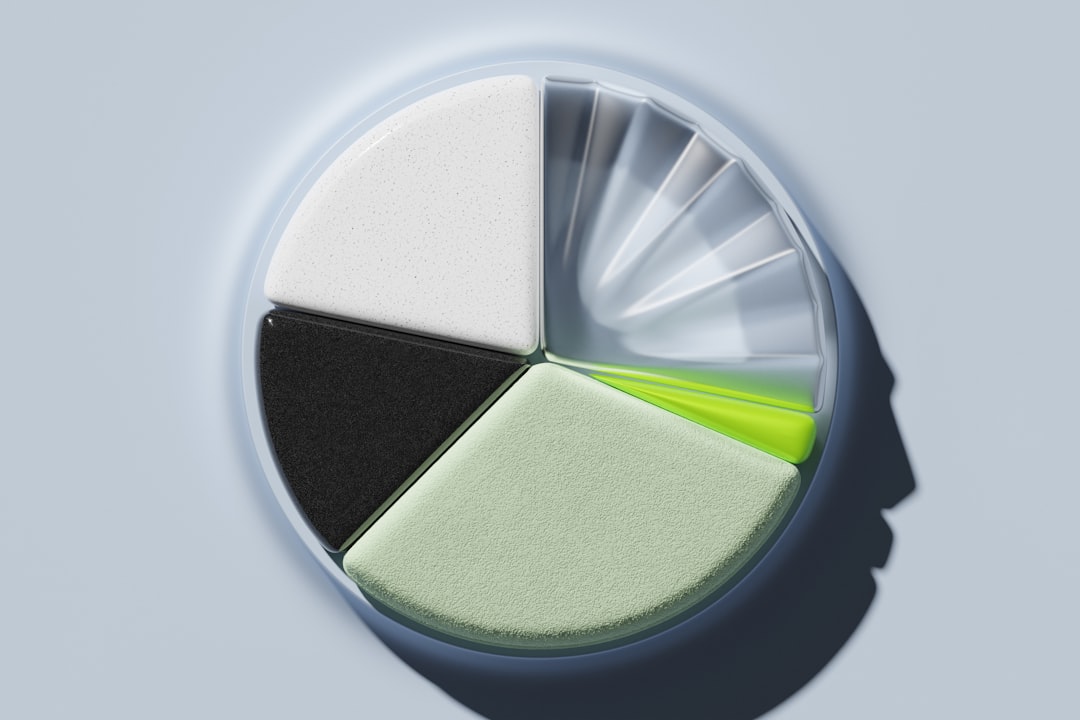
Material Comparison Chart
Here is a simple comparison of common sustainable packaging options:
| Material | Recyclable | Compostable | Reusable | Best For |
|---|---|---|---|---|
| Cardboard | Yes | Sometimes | No | Shipping boxes, retail packaging |
| Glass | Yes | No | Yes | Food, beauty, beverages |
| Bioplastic | Sometimes | Sometimes | Rarely | Flexible wraps, containers |
| Mushroom Packaging | No | Yes | No | Protective inserts |
| Aluminum | Yes | No | Yes | Cans, tins |
No material is perfect. The best choice depends on product type, logistics, and disposal systems.
11. Consumer Education as Part of Design
Great sustainable packaging teaches people what to do.
This can include:
- Simple icons
- Short recycling instructions
- QR codes linking to disposal guides
- Clear material labeling
Education builds trust. It reduces contamination in recycling streams. And it positions brands as responsible leaders.
12. Aesthetic Meets Ethics
Here is the good news. Sustainable does not mean boring.
Natural textures. Earthy tones. Recycled paper finishes. These elements are stylish and modern.
Consumers often associate sustainable packaging with:
- Authenticity
- Quality
- Transparency
- Premium value
When done right, sustainability increases perceived brand value.
How Design Companies Can Stay Ahead
Trends evolve quickly. Staying ahead requires action.
Here is a simple roadmap:
- Audit your current packaging solutions.
- Build a library of sustainable materials.
- Partner with eco-certified suppliers.
- Train your team on circular design principles.
- Test new materials with small pilot projects.
Small improvements add up. Over time, they create major impact.
Final Thoughts
Sustainable packaging is not just a responsibility. It is an opportunity.
An opportunity to innovate. To build trust. To create smarter systems. To design with purpose.
The future belongs to design companies that think beyond the box. Literally.
Make it lighter. Make it reusable. Make it clear. Make it honest.
Because good design does not just look good. It does good too.