


In the early days of search engine optimization, “submitter” tools promised a shortcut: enter your website once, click a button, and watch it get submitted to hundreds or thousands of search engines, directories, bookmarking sites, and link platforms. In 2026, the SEO landscape is very different. Search engines are smarter, spam detection is stricter, and rankings depend far more on content quality, authority, technical performance, and user satisfaction than on mass submission tactics.
TLDR: SEO software submitter tools are not as powerful or broadly useful as they once were, especially if they rely on automated mass submissions or low quality backlink creation. In 2026, they can still be effective for specific tasks such as sitemap submission, local citation management, index monitoring, and structured outreach workflows. The key is to use them as support tools, not as a replacement for real SEO strategy, useful content, and trustworthy authority building.
What Are SEO Submitter Tools?
SEO submitter tools are software platforms designed to send website information to external platforms. Historically, this meant submitting URLs to search engines, web directories, article sites, social bookmarking platforms, RSS aggregators, blog comment sections, and link networks. Some tools also automated account creation, content spinning, anchor text variation, and backlink posting.
Today, the category is broader. Modern submitter tools may include features such as:
- XML sitemap submission to search engines and webmaster platforms
- Local business citation submissions to maps, directories, and data aggregators
- Indexing requests for important new or updated pages
- Directory listing management for niche or industry specific sites
- Press release distribution and media outreach workflows
- Backlink tracking and submission status reporting
The important distinction is between legitimate submission management and automated spam generation. One can help organize your SEO operations. The other can damage your visibility, reputation, and domain trust.
Why Old School Mass Submission No Longer Works
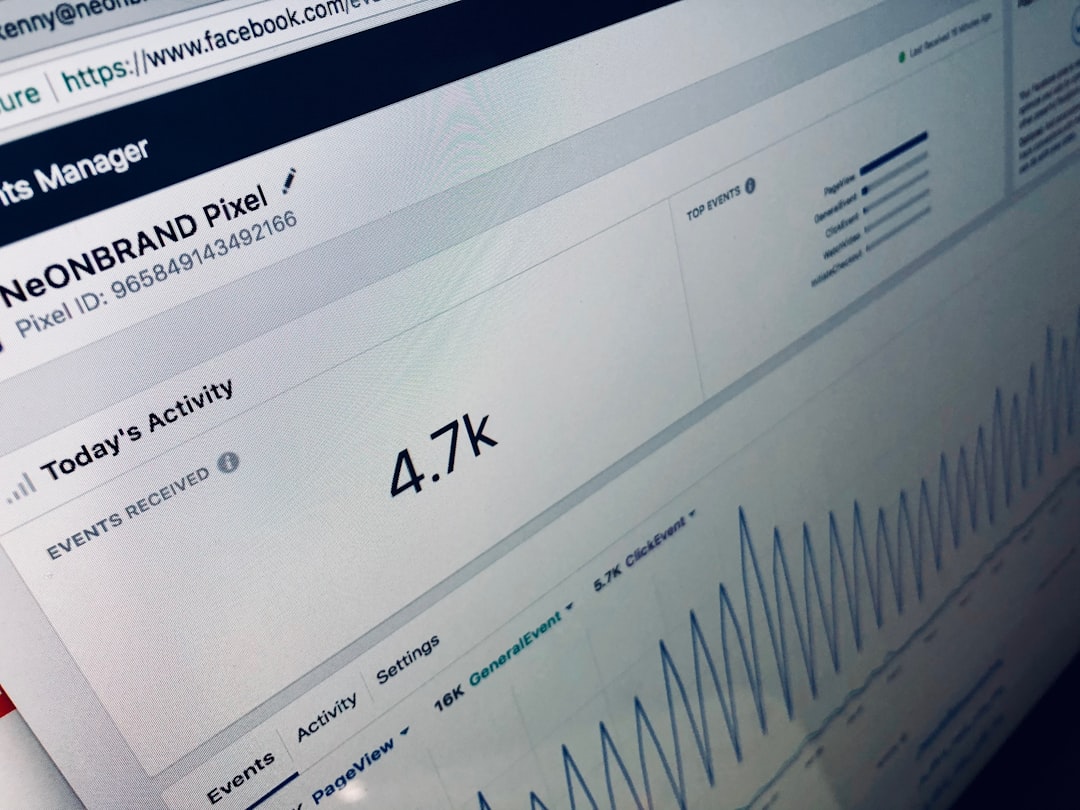
For years, many submitter tools promoted impressive sounding numbers: “Submit your website to 5,000 search engines” or “Build 10,000 backlinks overnight.” In 2026, those claims should be treated with caution. Major search engines do not need manual submission in the same way they once did. They discover pages through links, sitemaps, feeds, APIs, browsers, and crawl systems.
Even more importantly, search engines have become highly effective at identifying unnatural patterns. If a new site suddenly appears on thousands of low quality directories using identical descriptions and keyword stuffed anchor text, that does not look like popularity. It looks like manipulation.
Modern algorithms evaluate factors such as link relevance, publisher quality, content originality, brand signals, topical authority, and user engagement. A link from a spam directory with no editorial standards carries little value and may be ignored entirely. In some cases, aggressive automated link building can contribute to manual actions or algorithmic suppression.
What Changed by 2026?
Several changes have reshaped the usefulness of submitter tools. First, search engines now rely heavily on machine learning systems that understand context more deeply. They can evaluate whether a mention, link, or citation fits naturally within its environment. Thin pages full of outbound links are less likely to pass meaningful value.
Second, the rise of AI generated content has increased the volume of low quality material online. In response, search platforms have placed more emphasis on experience, expertise, authority, and trust. A submission tool cannot manufacture genuine expertise. It cannot replace original research, customer reviews, expert commentary, product usefulness, or a strong reputation.
Third, discovery has expanded beyond traditional search. People find information through AI assistants, vertical search engines, marketplaces, maps, social platforms, forums, newsletters, and video platforms. That means “submission” is no longer just about getting a URL indexed. It is about making sure your business data, content, and brand presence are accurate across the digital ecosystem.
Where Submitter Tools Still Help
Despite their decline as shortcut machines, SEO submitter tools are not useless. In fact, the best ones have evolved into practical workflow tools. They are most effective when they support accuracy, consistency, and discoverability rather than trying to manipulate rankings.
1. Sitemap and indexing management
Submitting an XML sitemap through official search engine platforms remains a good practice. It helps crawlers understand your site structure, discover important pages, and notice updates faster. This is especially valuable for large ecommerce sites, publishers, job boards, real estate platforms, and websites with frequently changing inventory.
2. Local SEO citations
For local businesses, submitter tools can still be highly useful. Consistent name, address, phone number, opening hours, categories, and website URLs across directories and map platforms can improve local trust signals. The goal is not to blast a listing everywhere, but to maintain accurate business information on reputable platforms where customers actually search.
3. Niche directories and industry databases
Some directories still matter. A law firm listed in a respected legal directory, a doctor listed in a medical database, or a software company listed in a trusted comparison platform may gain visibility, referral traffic, and credibility. The value comes from relevance and trust, not from the number of submissions.
4. Press and content distribution workflows
Submission software can help organize press release distribution, journalist outreach, podcast submissions, event listings, and guest contribution tracking. However, generic press release blasts rarely move rankings on their own. The real benefit appears when distribution leads to meaningful coverage, citations, interviews, or high quality referral traffic.
5. Monitoring and reporting
Some tools track whether submitted pages are indexed, whether directory listings are live, and whether links remain active. This can save time for SEO teams managing many campaigns. Reporting is especially valuable for agencies that need to show clients what was submitted, approved, corrected, or rejected.
Where Submitter Tools Can Hurt You
The risks become serious when submitter tools promise automated backlinks at scale. In 2026, anything that looks like a link scheme should be avoided. This includes mass article submissions, spun content syndication, automated blog comments, forum profile links, private network submissions, and irrelevant directory blasts.
Warning signs include:
- Promises of thousands of backlinks in a few days
- Use of spun or AI generated duplicate content across many websites
- Submission to directories with no traffic, no moderation, and no clear purpose
- Anchor text that is aggressively keyword optimized
- No transparency about where your site will be submitted
- Claims that the tool can “guarantee” first page rankings
At best, these tactics are usually ignored. At worst, they create a cleanup problem. Removing bad links, disavowing toxic domains, and rebuilding trust can take months. The short term excitement of an automated campaign is rarely worth the long term risk.
How to Evaluate an SEO Submitter Tool in 2026
Before using any submitter software, ask a simple question: Does this tool create real business value, or does it only create artificial signals? If it helps you submit accurate information to platforms your customers actually use, it may be worthwhile. If it exists mainly to create links that nobody would naturally trust or click, it is probably outdated.
Look for tools that offer:
- Transparency: You should know exactly where your website or business data is being submitted.
- Quality control: The tool should prioritize reputable platforms over raw volume.
- Manual review options: Automation should assist humans, not remove judgment entirely.
- Reporting: You need clear data on approvals, errors, duplicates, status changes, and performance.
- Compliance: The tool should avoid tactics that violate search engine spam policies.
- Integration: Strong tools connect with analytics, search console data, rank tracking, and CRM systems.

The Role of AI in Submitter Tools
By 2026, many SEO tools include AI features. Some are genuinely useful, such as helping create unique business descriptions for different directories, detecting inconsistent citations, prioritizing pages for indexing, or identifying relevant industry platforms. These features can reduce manual workload and improve accuracy.
However, AI can also make bad tactics easier to scale. Automatically generating hundreds of near identical descriptions or articles for submission is not a smart strategy. Search systems are increasingly good at identifying mass produced, low value content. The better use of AI is to improve relevance, clarity, and workflow efficiency, not to flood the web with more noise.
What Should You Do Instead of Mass Submission?
If your goal is stronger SEO performance in 2026, focus on the fundamentals that search engines and users both reward. Submitter tools can be part of the process, but they should sit behind a stronger strategy.
- Publish genuinely helpful content that answers real questions with depth and clarity.
- Build topical authority by covering subjects comprehensively, not randomly.
- Improve technical SEO, including crawlability, page speed, structured data, internal links, and mobile usability.
- Earn links naturally through research, tools, expert insights, partnerships, and strong digital PR.
- Strengthen brand signals through reviews, mentions, social proof, and consistent messaging.
- Optimize for local and vertical platforms where your audience actually searches.
In other words, use submission tools to help your best assets get discovered, not to compensate for weak assets. A well optimized page with original value deserves help being found. A thin page submitted to hundreds of sites is still a thin page.
Are They Worth Paying For?
The answer depends on your business model. A small blog probably does not need a paid submitter tool. Submitting a sitemap, setting up search console accounts, and building a few relevant profiles may be enough. A local business with multiple locations, however, may benefit from software that manages citations and keeps listings accurate across many platforms.
Agencies may also find value in submitter tools that standardize workflows, reduce repetitive tasks, and provide client reporting. Ecommerce companies and publishers may use indexing tools to monitor large numbers of URLs. The value is strongest when the tool saves time on legitimate SEO operations.
Before subscribing, compare the cost with expected outcomes. Will it save hours of manual work? Will it reduce listing errors? Will it help important pages get crawled faster? Will it produce referral traffic from reputable sources? If the only promised benefit is “more backlinks,” be skeptical.
The Verdict: Effective, But Only in the Right Context
SEO software submitter tools are still effective in 2026, but not in the old magical way many marketers remember. They are no longer reliable engines for instant rankings, mass backlinks, or effortless traffic. Search has matured, and so must the way these tools are used.
The winning approach is selective, transparent, and quality focused. Submit your website where submission makes sense. Keep business data accurate. Use official search engine tools. Prioritize platforms with real users and real editorial standards. Track results and remove anything that creates risk.
In short: submitter tools are not dead, but the era of blind mass submission is. The best SEO results in 2026 come from combining smart automation with human judgment, useful content, technical excellence, and genuine authority. If a tool supports that mission, it can still be valuable. If it tries to replace it, it belongs in the past.