

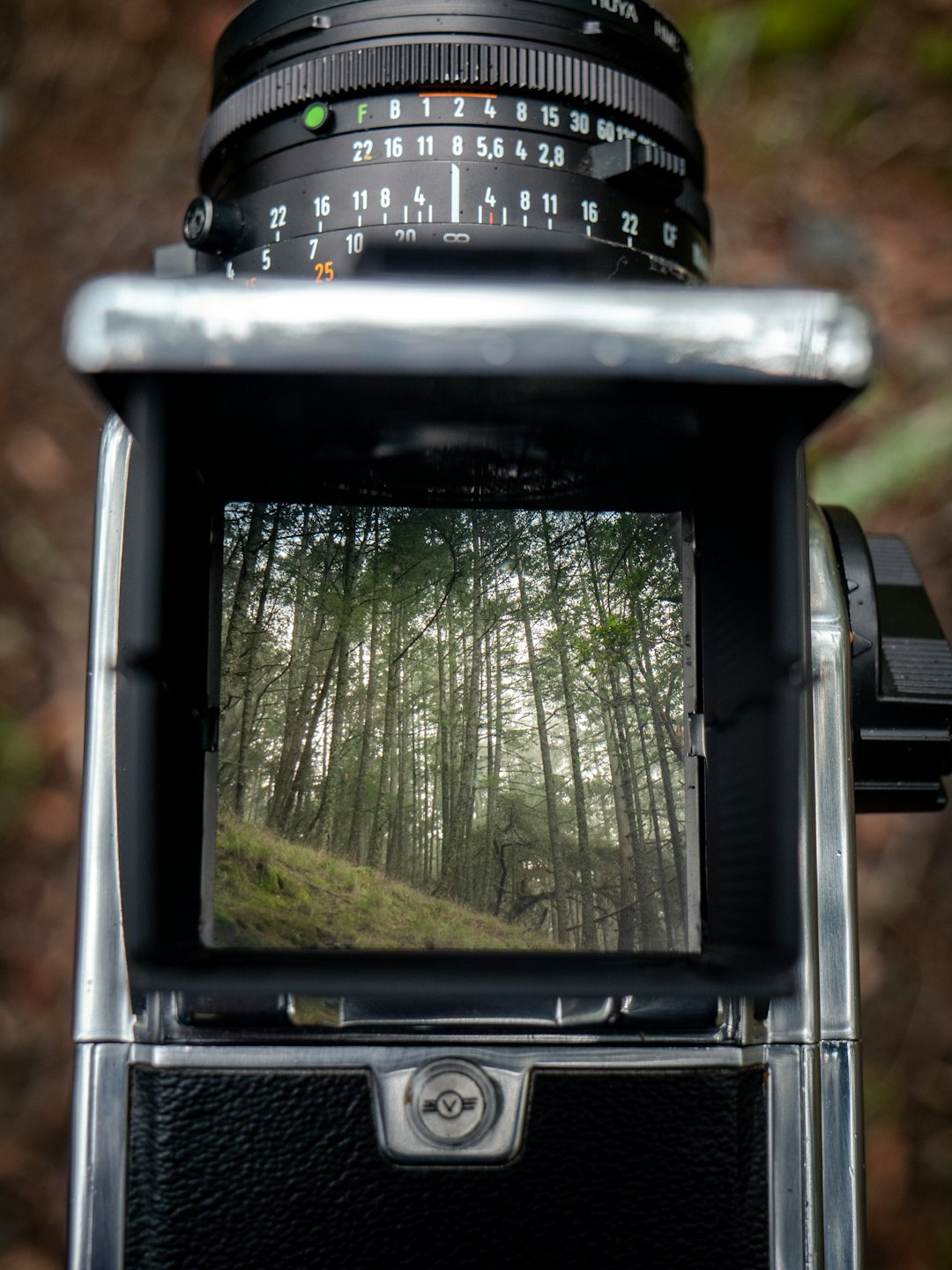
The smartphone camera wars have intensified significantly over the last few years, with brands pushing boundaries through computational photography, pixel binning, and hybrid zoom technology. One of the key contenders in this space is the Samsung Galaxy S20 Ultra, a device that boasts a massive 108MP primary sensor and an impressive 100x Space Zoom capability. But specs on paper can be misleading—what really matters is real-world performance. In this article, we conduct an in-depth camera zoom test of the Galaxy S20 Ultra using various shooting scenarios, lighting conditions, and focusing subjects.
TL;DR Summary
The Samsung Galaxy S20 Ultra delivers strong zoom performance, especially up to 30x, where details remain surprisingly sharp. Beyond 30x, particularly at the full 100x Space Zoom, quality degrades but still provides usable images for casual use. The hybrid zoom system effectively combines optical and digital zoom, making impressive long-range shots possible with some trade-offs. Overall, the S20 Ultra stands as a reliable option for those who value reach and versatility in mobile photography.
Understanding Samsung’s Camera Setup
The Galaxy S20 Ultra features a versatile camera array, designed to cover a wide range of shooting needs. Here’s a breakdown of the camera specs related to zoom capability:
- 108MP Wide Lens (Primary Sensor) – f/1.8, phase detection autofocus (PDAF), Optical Image Stabilization (OIS)
- 48MP Periscope Telephoto Lens – f/3.5, 4x optical zoom, OIS
- Hybrid Zoom (up to 10x)
- Super Resolution Zoom (up to 100x, digital magnification)
The combination of optical zoom—where the lens physically adjusts the focal length—and digital zoom—where software enlarges the image—makes up Samsung’s “Space Zoom” technology.
Zoom Test Methodology
To ensure the credibility of this test, we carried out image captures in various environments:
- Outdoors in daylight and low light
- Indoor photography with controlled lighting
- Stationary and moving subjects
- Zoom levels tested: 1x, 5x, 10x, 30x, 50x, and 100x
All images were captured using the native camera app in auto mode, with scene optimizer enabled for a typical user experience.
Zoom Performance Under Daylight Conditions
In strong daylight, the performance of the zoom system is nothing short of impressive. Up to 10x zoom, the image quality remains sharp, with minimal noise and great color accuracy. At 30x, details start to degrade slightly but remain usable for social media or documentation purposes.
Here’s what we observed at various zoom levels during our daylight tests:
- 1x: Rich color, excellent dynamic range, superior detail
- 5x: Virtually no compromise in image quality; natural tonality
- 10x: Some loss of texture but very acceptable sharpness
- 30x: Noticeable softness in edges, some artificial sharpening
- 50x and beyond: Photographs exhibit digital artifacts and visible noise; stabilization becomes a major challenge
Samsung applies aggressive image processing past 30x, sometimes leading to unnatural textures. That said, for practical use such as reading signs, spotting distant objects, or even wildlife photography, the zoom continues to serve its purpose adequately.
Low Light Zoom Challenges
When moving into low-light or night shooting conditions, the camera begins to struggle. Graininess becomes more apparent, and autofocus performance slows down. Up to 5x, results remain respectable thanks to sensor binning and noise reduction.

Here’s how zoom levels fared in low light:
- 1x to 5x: Bright exposure, manageable noise, decent clarity
- 10x: Highlights tend to bloom, shadow detail lost slightly
- 30x and higher: Usability drops significantly; noise overwhelms detail
The periscope lens’s narrow aperture (f/3.5) limits light intake, resulting in underexposed and grainier images. Image stabilization also faces a tougher time compensating for hand movements, making a tripod or very steady hand increasingly necessary at high zoom levels.
Comparing 10x and 100x – A Real-World Perspective
While 10x zoom is consistently strong and is aided by hardware zoom and smart processing, 100x zoom is primarily a tech showcase. It’s rare to find real-world scenarios where an image at 100x offers significant practical value. At best, you can use it for basic surveillance-like activities—reading a distant building label or capturing the outline of an unreachable subject.
We attempted capturing a distant clock tower at various zoom levels. While the 10x image retained numerals and textures, the 100x shot resembled a water painting due to excessive sharpening and loss of fine data. Though fascinating, the result doesn’t align with professional photography standards.
Zoom and Stabilization
An often-overlooked element of mobile zoom performance is how stable your shots remain at higher magnifications. The S20 Ultra introduces zoom lock at around 30x, which helps by using AI-based frame analysis to minimize hand shake. This feature is a game-changer in practical usability past 20x.
Even so, here are the pros and cons of stabilization at different zoom levels:
- 1x to 10x: OIS and EIS (electronic image stabilization) keep shots almost always stable
- 30x: AI-based Zoom Lock significantly helps; handheld shots possible with care
- 50x to 100x: Near impossibility to hold steady unaided; tripod strongly recommended
Without stabilization measures, fine framing adjustments at 100x can become nearly impossible. The field of view narrows dramatically, amplifying even minor tremors, so a firm hand or equipment is crucial.
User Interface & Zoom Switching
The Samsung Camera app provides a seamless UI experience with quick access to variable zoom levels via on-screen buttons (1x, 2x, 4x, 10x, etc.) and a smooth digital zoom slider. Users can jump instantly from standard to telephoto ranges with minimal delay. You also see a miniature navigator window past 30x to help frame your target—a smart addition for extreme zoom perspectives.
This user-centric design makes accessing and operating zoom features both intuitive and efficient, even for photography novices.
Concluding Thoughts
The Samsung Galaxy S20 Ultra’s zoom capability is a strong illustration of how far smartphone photography has come. Here’s a quick summary of its appeal:
- Best Performance: Between 1x and 10x zoom
- Usable but Compromised: 30x zoom
- Novelty or Specialist Use Only: 50x to 100x zoom
- Stabilization: Excellent up to 30x; tough beyond that without hardware support
Samsung has successfully delivered a versatile camera system that leans into both optical prowess and computational strength. While it’s clear that 100x zoom is not meant for every user or every situation, it remains an intriguing technological achievement. For enthusiasts who often find themselves needing long-distance shooting on the go—with fair expectations of quality—the S20 Ultra offers one of the most capable zoom experiences currently available on a smartphone.
Whether you’re capturing street photography, wildlife at a distance, or simply having fun with extreme focal lengths, the Galaxy S20 Ultra doesn’t disappoint within its practical limits.