

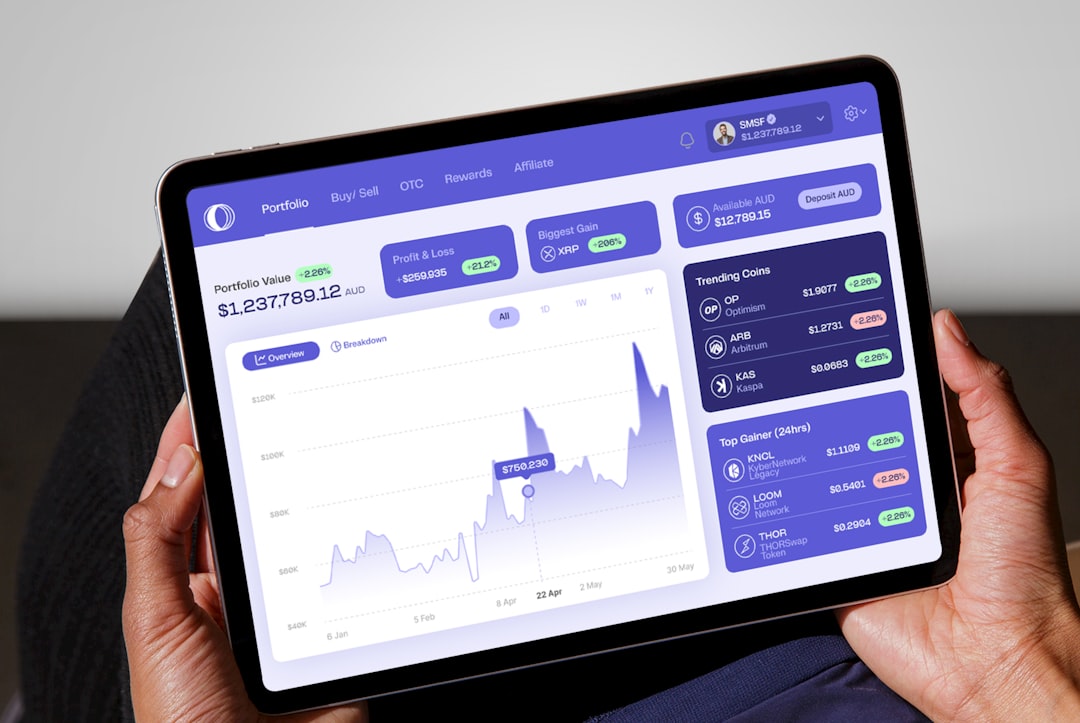
Choosing between River Bitcoin and Coinbase is not simply a question of which platform is “better.” It depends on whether you want a focused Bitcoin-only service or a broad cryptocurrency exchange with many assets, trading tools, and consumer features. Both companies serve U.S. customers, both emphasize compliance, and both have built reputations in a highly scrutinized market. However, their fee models, security assumptions, and product philosophies are meaningfully different.
TLDR: River is best suited for investors who want a serious, Bitcoin-only platform with recurring purchases, straightforward custody, and fewer distractions. Coinbase is better for users who want access to many cryptocurrencies, advanced trading, staking options, and a larger ecosystem. River may be more attractive for long-term Bitcoin accumulation, while Coinbase offers broader functionality but can involve more complex fees. Always review current pricing and terms before depositing funds, because fees and product availability can change.
Company Focus: Bitcoin Specialist vs Crypto Marketplace
River Bitcoin positions itself as a Bitcoin-focused financial services company. Its core audience is long-term Bitcoin savers, high-net-worth individuals, business clients, and users who prefer a simple platform centered on one asset. This focus can be valuable for customers who believe Bitcoin is distinct from the broader crypto market and do not want exposure to thousands of tokens, speculative promotions, or complicated trading products.
Coinbase, by contrast, is one of the largest cryptocurrency exchanges in the world. It supports Bitcoin, Ethereum, stablecoins, and many other digital assets. Coinbase also offers products such as Coinbase Advanced, Coinbase Wallet, staking where available, institutional custody, APIs, and educational tools. For users who want a wide crypto marketplace, Coinbase is more comprehensive.
The central tradeoff is clear: River offers simplicity and focus; Coinbase offers breadth and convenience.

Fees: What Users Should Expect
Fees are one of the most important factors when comparing River and Coinbase, but they are also one of the easiest areas to misunderstand. Both platforms may include explicit fees, spreads, or pricing differences between a quoted buy price and the market price. Because fee schedules can change, users should always check the live quote before confirming a transaction.
River Bitcoin Fees
River is often attractive to long-term Bitcoin buyers because of its recurring purchase structure. At the time of writing, River has marketed zero-fee recurring Bitcoin purchases after certain conditions are met, though spreads or initial purchase fees may still apply depending on the order type and timing. One-time buys generally show pricing before confirmation, allowing users to review the effective cost.
River’s model is designed for people using a dollar-cost averaging strategy. Instead of trying to time the market, users can buy Bitcoin on a daily, weekly, or monthly schedule. For someone accumulating Bitcoin over years, recurring purchase costs are especially important, and River’s offering can be compelling if the quoted rates remain competitive.
Coinbase Fees
Coinbase has more fee complexity because it serves casual buyers, active traders, and institutions. Simple buy and sell transactions on the standard Coinbase interface often include a spread plus a transaction fee. This can be convenient, but it may be more expensive than using Coinbase Advanced.
Coinbase Advanced uses a maker-taker fee schedule, which tends to be more transparent for active traders. Fees depend on trading volume and whether an order adds liquidity or removes liquidity from the order book. For users placing limit orders, monitoring market depth, and trading regularly, Coinbase Advanced can be significantly more cost-effective than basic instant purchases.
Fee Comparison Summary
- River: Generally strongest for Bitcoin-only recurring buys and long-term accumulation.
- Coinbase standard interface: Convenient, but often more expensive for simple instant purchases.
- Coinbase Advanced: Better suited for active traders who understand order books and maker-taker pricing.
- Key caution: Always compare the final quoted amount of Bitcoin received, not just the advertised fee.
Security and Custody
Security should be evaluated on more than marketing claims. A serious comparison should consider custody practices, authentication options, regulatory posture, internal controls, insurance limitations, and the user’s own responsibility. Neither River nor Coinbase eliminates risk. Crypto platforms can reduce certain risks, but users still need strong passwords, two-factor authentication, and careful withdrawal practices.
River Security
River emphasizes Bitcoin custody and client service. As a Bitcoin-only company, it can dedicate its operational processes to one network rather than maintaining infrastructure for hundreds of assets. This specialization may reduce certain operational complexities, although it does not remove custodial risk entirely.
River supports security practices such as account verification, transaction monitoring, and custody controls. Customers should check whether features such as withdrawal address controls, two-factor authentication, and account recovery procedures meet their personal standards. For large balances, users may also want to discuss custody options directly with River or consider self-custody with a hardware wallet.
Coinbase Security
Coinbase has a long operating history and is a publicly traded U.S. company, which means it is subject to significant regulatory reporting and public scrutiny. It stores most customer crypto assets in offline cold storage and offers security features such as two-factor authentication, device management, withdrawal allowlists, and account alerts.
Coinbase also carries crime insurance for certain losses involving online hot-wallet storage, but users should not confuse this with full insurance against market losses, unauthorized access caused by user negligence, or all forms of platform failure. Crypto assets are generally not protected like bank deposits. This distinction is essential for responsible risk management.
Image not found in postmetaCustody Risk vs Self-Custody
Both River and Coinbase are custodial platforms when you leave assets on the exchange. That means the company controls the private keys on your behalf. This can be convenient and appropriate for some users, especially beginners, but it introduces counterparty risk. If you want direct control, you may eventually transfer Bitcoin to a self-custody wallet.
A prudent approach is to match custody to your skill level and balance size. Small balances may be reasonable to keep on a reputable platform for convenience. Larger, long-term holdings may justify learning hardware wallet security, multisig arrangements, or professional custody solutions.
Features and User Experience
River and Coinbase differ sharply in product design. River is built around Bitcoin accumulation and client support. Coinbase is built as a broad financial marketplace for digital assets.
River Features
- Bitcoin-only buying and selling: A focused experience without altcoin listings.
- Recurring purchases: Useful for disciplined long-term investing.
- Client service orientation: River is known for a more relationship-driven model than many large exchanges.
- Bitcoin education: Content and tools are generally aligned with long-term Bitcoin ownership.
- Business and high-value client support: Suitable for individuals or organizations wanting Bitcoin exposure without unnecessary complexity.
River’s simplicity is a strength if Bitcoin is your only priority. The platform avoids many of the distractions common on larger exchanges: token launches, speculative assets, and frequent promotional features. For conservative investors, this can make the experience feel cleaner and more intentional.
Coinbase Features
- Large asset selection: Access to Bitcoin, Ethereum, stablecoins, and many other cryptocurrencies.
- Coinbase Advanced: More sophisticated charting, order types, and trading fee structure.
- Staking options: Available for certain assets and jurisdictions, subject to regulatory restrictions.
- Coinbase Wallet: A self-custody wallet for interacting with decentralized applications.
- Institutional services: Custody, prime brokerage, and tools for professional clients.
Coinbase is better if you want a single account for broad crypto activity. It is also more useful for users who want liquidity, mobile convenience, stablecoin transfers, and access to multiple networks. The drawback is that the platform’s size and breadth can make it feel more complex, especially for users who only care about Bitcoin.
Who Should Choose River?
River may be the stronger choice if you are a Bitcoin-only investor with a long-term plan. It is especially suitable for people who want to accumulate Bitcoin regularly, avoid altcoin speculation, and interact with a company whose product design is centered around Bitcoin rather than the entire crypto market.
River may also appeal to users who value direct customer support and a more focused brand identity. If your main question is, “How do I buy Bitcoin consistently and hold it responsibly?” River provides a serious answer without unnecessary complexity.
Who Should Choose Coinbase?
Coinbase may be the better choice if you want variety, liquidity, and a full crypto ecosystem. It is more appropriate for users who trade multiple assets, use stablecoins, participate in staking, or want advanced trading tools. Coinbase’s scale can also be reassuring for customers who prefer a large, publicly listed company with deep market infrastructure.
However, Coinbase users should be attentive to fees. Beginners using instant buy features may pay more than expected if they do not compare spreads and transaction charges. More experienced users may prefer Coinbase Advanced for better pricing transparency.

Final Verdict
The best platform depends on your objective. If your goal is to build a long-term Bitcoin position with recurring purchases and minimal distractions, River Bitcoin is highly competitive. Its Bitcoin-only approach, disciplined product design, and focus on accumulation make it well suited for serious savers.
If your goal is broader crypto access, active trading, or participation in multiple digital asset networks, Coinbase is the more versatile platform. It provides more features, more assets, and deeper exchange functionality, but users must pay closer attention to fees and account security settings.
For many investors, the decision is philosophical as much as practical. River reflects a belief in Bitcoin as a distinct monetary asset. Coinbase reflects the broader cryptocurrency economy. A careful user should compare live pricing, review custody terms, enable strong security protections, and choose the platform that best matches their investment plan, risk tolerance, and level of experience.