

Revenue cycle software is now a core financial system for hospitals, physician groups, and specialty providers. Claims are still denied, patients still get confusing bills, and staff still lose hours fixing preventable errors. That matters because U.S. health spending reached $4.9 trillion in 2023, or 17.6% of GDP [source: CMS]. In that setting, platforms such as Waystar and Experian Health are not “nice to have” tools. They are part of how providers get paid.
TLDR: Revenue cycle platforms help healthcare teams verify coverage, submit cleaner claims, reduce denials, and collect patient payments faster. For example, if a 200 provider group cuts claim denials from 11% to 8% on $40 million in annual charges, the impact can be material even after normal adjustments. Waystar is often strong for claims, payments, and automation across the revenue cycle. Experian Health is known for patient access, eligibility, identity, estimates, and payment tools.
What revenue cycle software actually does
Revenue cycle software manages the money path from appointment to final payment. It starts before the patient arrives. It continues through coding, claim submission, denials, statements, payment plans, and reporting.
A serious platform should help with:
- Eligibility checks before care is delivered.
- Prior authorization tracking and payer rules.
- Claim scrubbing to catch errors before submission.
- Denial management with work queues and root cause reports.
- Patient estimates that are clear and usable.
- Digital payments by card, text, portal, or payment plan.
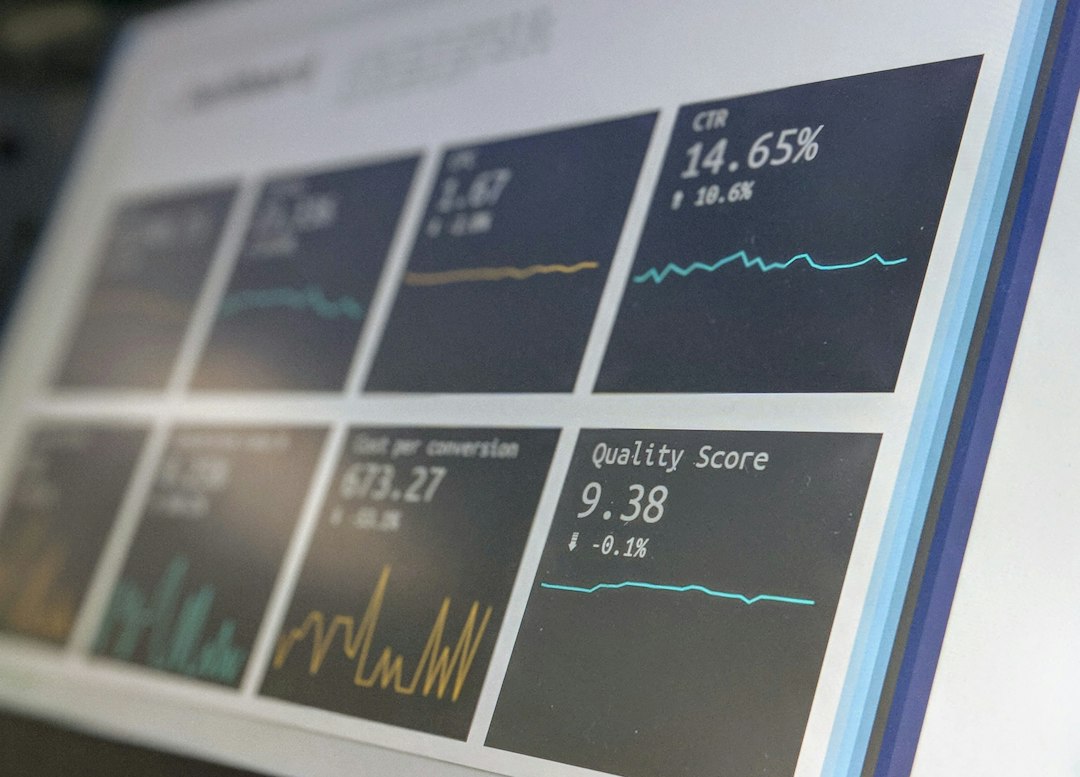
- Analytics for days in AR, denial rates, clean claim rate, and collection trends.
The goal is simple. Bill the right party, at the right time, with the right data. It sounds basic. It is not. One bad insurance field can hit the whole process.
Waystar: broad revenue cycle automation
Waystar is one of the more visible revenue cycle management platforms in the U.S. healthcare market. It supports hospitals, health systems, specialty groups, and billing companies. Its tools cover claims, remits, denials, patient payments, benefit estimates, and reporting.
Waystar’s appeal is its breadth. A provider can use it across several billing steps instead of stitching together many small tools. That can reduce rework. It can also make reporting cleaner because more data sits in one place.
Common strengths include:
- Claim management: edits, submission, status checks, and payer connections.
- Denial prevention: workflows that flag repeat issues before they grow.
- Payment automation: electronic remittance, posting support, and patient payment options.
- Reporting: dashboards that show where cash is stuck.
The catch is that broad systems can take real work to configure. If payer rules, locations, tax IDs, and specialty workflows are not set up well, staff may still need manual fixes. It drives me crazy when a system saves three clicks in one area but adds seven seconds to every status check because the screen loads too slowly. At scale, that turns into hours.
Experian Health: strong patient access and identity tools
Experian Health is widely used for front end revenue cycle work. That means patient identity, insurance discovery, eligibility, registration quality, estimates, and payment support. These tools matter because many billing problems start before the claim is created.
If the wrong insurance is on file, the claim may fail. If a patient never receives a clear estimate, collection gets harder. If duplicate patient records exist, staff waste time and risk billing errors.
Experian Health focuses heavily on those early steps. Its products often fit teams that want better registration accuracy, cleaner eligibility data, and stronger patient financial communication. The company also publishes regular research on patient access and billing expectations [source: Experian Health].
Key areas include:
- Patient identity: matching records and reducing duplicates.
- Coverage discovery: finding billable insurance that may be missing.
- Eligibility: checking active benefits before service.
- Patient estimates: giving clearer out of pocket cost details.
- Collections: digital payment tools and patient friendly billing.

How to compare revenue management platforms
Do not choose based only on a demo. Demos are polished. Real billing is messy. Ask vendors to prove how their system handles your top payer problems, not a perfect sample claim.
Use these checks:
- Clean claim rate: What lift should you expect in 90 to 180 days?
- Denial rate: Can the system show denial causes by payer, code, clinic, and provider?
- AR days: Will it shorten the time from service to payment?
- Staff impact: How many manual touches will actually go away?
- Patient payments: Are estimates, statements, and payment plans easy to use?
- Integration: Does it work cleanly with your EHR and practice management system?
- Support: Will you get experts who understand healthcare billing, or just ticket replies?
Healthcare leaders should also review revenue data with the same discipline used in other industries. Good teams track leakage, trends, and user behavior. The same idea appears in ecommerce analytics tools, where small conversion issues can create large revenue loss. In healthcare, the weak point may be eligibility, coding, payer response time, or patient payment friction.
Where Waystar and Experian Health fit
Waystar often fits organizations that want a broad claims and payment operating system. Experian Health often fits organizations that need cleaner patient access and better front end financial data. Many providers may even evaluate both, depending on their EHR, payer mix, budget, and internal team size.
A simple use case helps. A multispecialty group has 120,000 visits per year. Its denial rate is 10%. Its front desk often misses secondary coverage. A platform with stronger eligibility and coverage discovery could reduce preventable denials. A platform with better claim edits and denial workflows could speed payment recovery. The right answer depends on where the money is being lost.
Revenue teams should also care about communication. Patient estimates are not just finance documents. They affect trust. Sales teams know that clarity improves action, and some lessons from improving conversion rates apply here too. A clear payment option beats a confusing bill every time.
Final view
Waystar and Experian Health are serious options in revenue cycle software, but they solve different pain points best. Waystar is strong when claims, remits, denials, and payments need tighter control. Experian Health is strong when patient access, identity, eligibility, and estimates need repair.
Pick the platform that matches the failure point. If cash is delayed because claims are dirty, focus on claims and denial automation. If billing breaks at registration, fix patient access first. The best software will not just create reports. It will help staff get clean work done faster, with fewer surprises and less wasted effort.