

Retail search visibility is no longer limited to ranking a product page or appearing in a map listing. A strong retail SEO strategy connects local discovery, ecommerce intent, and customer trust signals so shoppers can find a store, compare products, and purchase with confidence.
TLDR: Retailers can increase organic traffic by optimizing both local store pages and ecommerce product pages around shopper intent. For example, a home goods retailer with five locations could improve local visits by 28% after updating Google Business Profiles, adding location pages, and publishing product availability content. Ecommerce traffic may also rise when category pages include better filters, internal links, reviews, and schema markup. The most effective strategy combines technical SEO, local relevance, and conversion-focused content.
Understanding Retail SEO
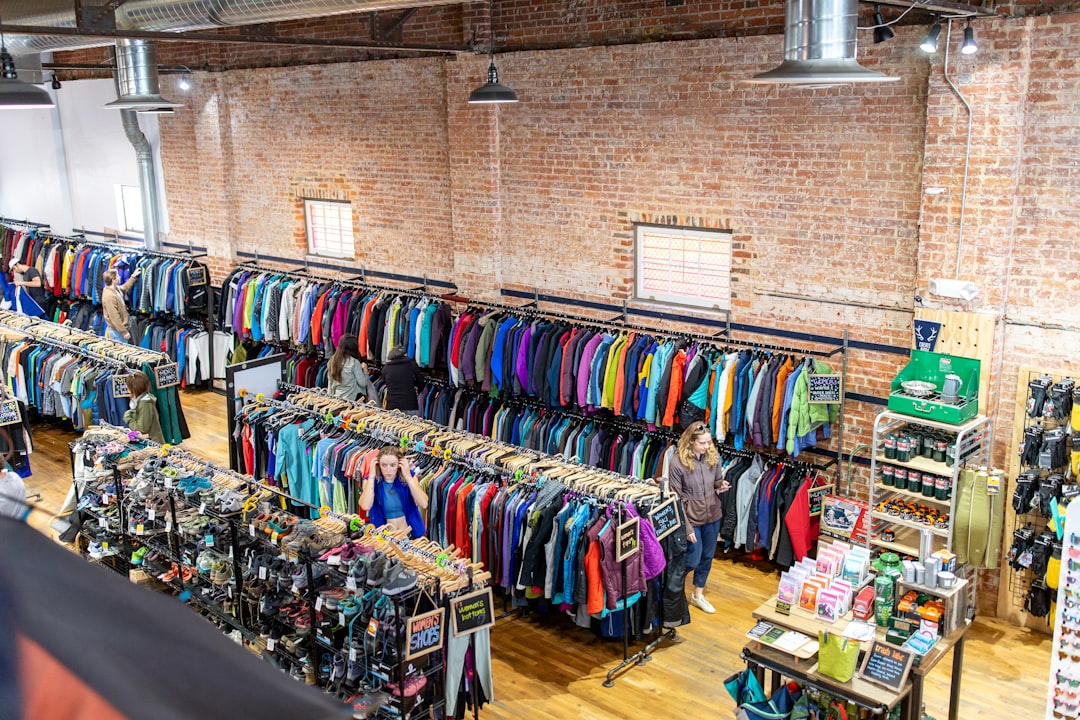
Retail SEO is the process of improving a store’s visibility in search engines for both nearby shoppers and online buyers. Unlike standard website SEO, retail SEO must support multiple user journeys. A shopper may search for “running shoes near me,” “best waterproof hiking boots,” or “buy leather tote bag online.” Each query reflects a different intent, and each requires a different optimization approach.
For physical stores, SEO helps drive foot traffic, phone calls, direction requests, and local brand awareness. For ecommerce stores, SEO improves product discovery, category visibility, and revenue from non paid search. Retailers that operate both online and offline should treat local SEO and ecommerce SEO as connected channels rather than separate campaigns.
Start with Shopper Intent and Keyword Research
Effective retail SEO begins with understanding how customers search. Keywords should be grouped by intent rather than placed into a single generic list. Common retail keyword groups include:
- Local intent: “shoe store near me,” “furniture shop in Austin,” “same day pickup electronics.”
- Transactional intent: “buy organic cotton sheets,” “discount winter coats,” “order skincare online.”
- Commercial research: “best running shoes for beginners,” “ceramic vs stainless steel cookware.”
- Branded intent: searches containing the retailer’s name, product lines, or exclusive collections.
Retailers should map these keywords to the correct pages. Local searches belong on location pages and Google Business Profile content. Transactional searches belong on product and category pages. Research searches are best served by buying guides, comparison pages, and blog content that links naturally to products.
Optimize Google Business Profiles for Local Visibility
For stores with physical locations, Google Business Profile is one of the most important local SEO assets. Each location should have a complete and accurate profile with the correct name, address, phone number, hours, categories, website link, and store attributes.
Retailers should also add fresh photos, answer questions, publish updates, and highlight services such as curbside pickup, delivery, alterations, consultations, or in store returns. Product listings within the profile can improve visibility for shoppers who are comparing options before visiting.
Reviews are especially important. A store with consistent positive reviews can earn higher trust and stronger local engagement. Retailers should encourage satisfied customers to leave honest reviews and should respond professionally to both praise and complaints. Responses should mention relevant services or products naturally, without keyword stuffing.
Create Location Pages That Actually Help Shoppers
Many retail location pages are too thin. A useful location page should do more than display an address and a map. It should explain what makes that specific store helpful for local customers.
Strong location pages often include:
- Store hours, contact details, parking information, and accessibility notes.
- Nearby landmarks and neighborhood references.
- Popular product categories available at that location.
- Local inventory or pickup availability where possible.
- Staff expertise, services, events, and seasonal offers.
- Embedded reviews, photos, and internal links to key categories.
This type of content helps search engines understand local relevance while helping shoppers decide whether to visit. It also reduces friction for mobile users who need fast answers.
Strengthen Ecommerce Category Pages
Category pages are often the highest value SEO pages for ecommerce retailers. They target broader commercial terms such as “women’s leather boots,” “outdoor patio furniture,” or “natural dog food.” These pages should be clear, useful, and easy to crawl.
Each category page should include a descriptive title tag, a concise meta description, optimized headings, helpful introductory copy, and internal links to subcategories. Product filters should improve usability, but retailers must manage faceted navigation carefully to avoid duplicate or low value URLs being indexed.
Adding short buying guidance can improve both rankings and conversions. For example, a category page for office chairs might explain ergonomic features, materials, adjustment options, and ideal use cases. This content should support shopping decisions without pushing products too far down the page.
Improve Product Pages for Search and Sales
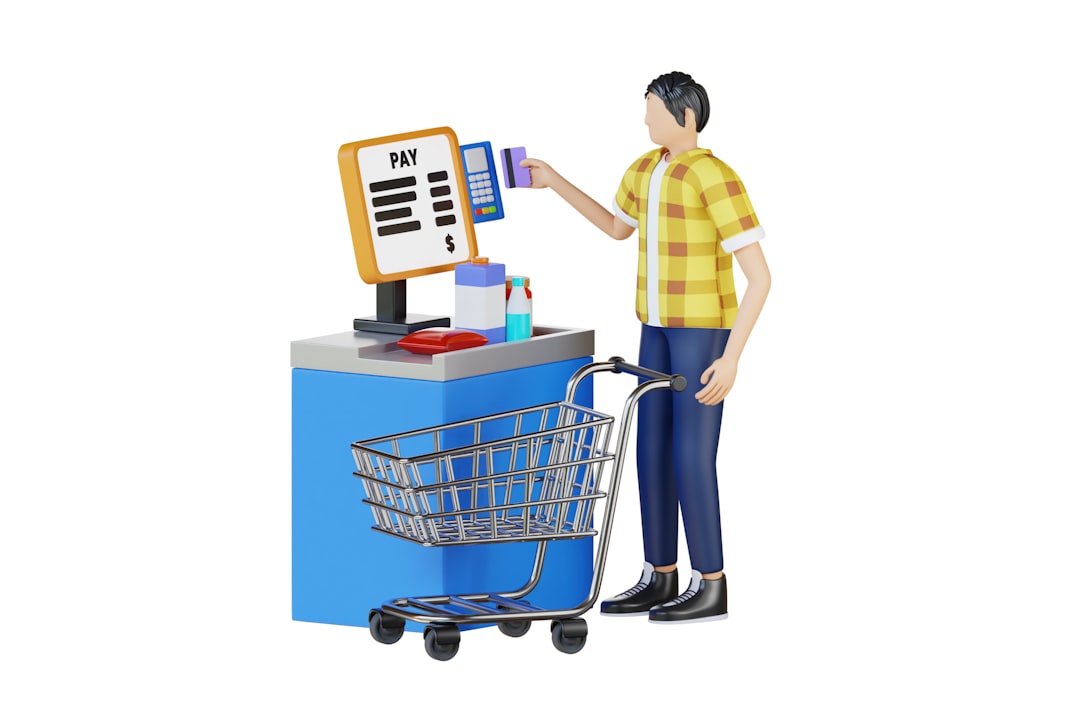
Product pages must satisfy both search engines and shoppers. A high quality product page should include a unique product description, clear specifications, price, availability, shipping details, returns information, reviews, and high quality images.
Retailers should avoid relying only on manufacturer descriptions, especially when many competitors sell the same item. Unique copy can highlight use cases, sizing tips, care instructions, compatibility, or styling ideas. These details help the page rank for long tail searches and reduce purchase hesitation.
Structured data is also important. Product schema can help search engines understand price, availability, ratings, brand, and other details. When implemented correctly, structured data may support rich results that make listings more attractive in search results.
Use Content to Capture Research Based Traffic
Not every shopper is ready to buy immediately. Many search for advice first. Retailers can capture this demand with educational content that connects naturally to products.
Useful retail content includes:
- Buying guides: “How to Choose the Right Mattress Firmness.”
- Comparison articles: “Gas Grill vs Charcoal Grill.”
- Seasonal guides: “Back to School Clothing Checklist.”
- Care guides: “How to Clean Suede Shoes Safely.”
- Local content: “Best Winter Gear for Chicago Weather.”
Each article should include internal links to relevant categories and products. This creates a path from research to purchase while distributing authority across the site.
Prioritize Technical SEO and Site Performance
Retail websites often contain thousands of URLs, making technical SEO essential. Search engines need to crawl, understand, and index the most valuable pages efficiently. Retailers should monitor crawl errors, duplicate content, broken links, canonical tags, XML sitemaps, and indexation patterns.
Site speed is especially important for ecommerce. Slow pages can reduce rankings and conversions. Images should be compressed, code should be streamlined, and mobile performance should be tested regularly. Since many local retail searches happen on smartphones, a fast mobile experience can directly influence store visits and online sales.
Internal search pages, filtered URLs, and out of stock product pages also require careful handling. Permanently discontinued products may need redirects to relevant alternatives, while temporarily unavailable products should remain useful with restock information or email alerts.
Build Trust Through Reviews, Links, and Local Signals
Trust plays a major role in retail SEO. Reviews, local citations, media mentions, supplier links, community partnerships, and relevant backlinks all help strengthen authority. A retailer might earn local links by sponsoring a neighborhood event, collaborating with local influencers, or publishing a useful community shopping guide.
Consistency matters. Store names, addresses, and phone numbers should match across directories, social profiles, maps, and local listings. Inconsistent information can confuse search engines and shoppers alike.
Measure the Right SEO Metrics
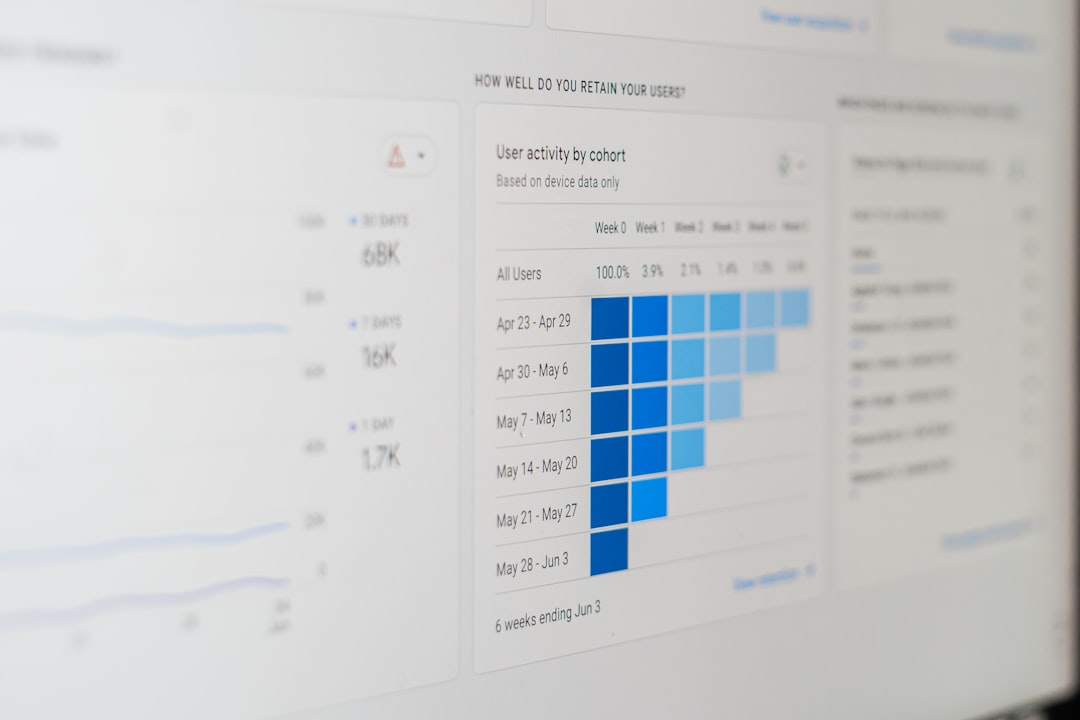
Retail SEO performance should be measured beyond rankings. Important metrics include organic revenue, assisted conversions, store direction requests, phone calls, local profile interactions, click through rate, indexed pages, and non branded traffic growth.
For example, a retailer may see only a 10% increase in organic sessions but a 22% increase in revenue if product pages attract more qualified visitors. Local SEO may show success through a rise in calls, map views, and in store pickup orders rather than ecommerce checkout alone.
FAQ
What is retail SEO?
Retail SEO is the practice of optimizing a store’s online presence so shoppers can find products, categories, and physical locations through search engines.
How is local SEO different from ecommerce SEO?
Local SEO focuses on nearby shoppers, map listings, location pages, reviews, and store visits. Ecommerce SEO focuses on product pages, category pages, technical performance, and online purchases.
How long does retail SEO take to show results?
Many retailers see early improvements within three to six months, especially from technical fixes and local profile updates. Competitive ecommerce rankings may take longer.
Are reviews important for retail SEO?
Yes. Reviews influence trust, local visibility, click through rates, and conversion rates. Consistent review generation and professional responses can support stronger SEO performance.
What pages should a retail website optimize first?
Retailers should usually begin with high revenue category pages, top selling product pages, store location pages, and the Google Business Profile for each physical location.