

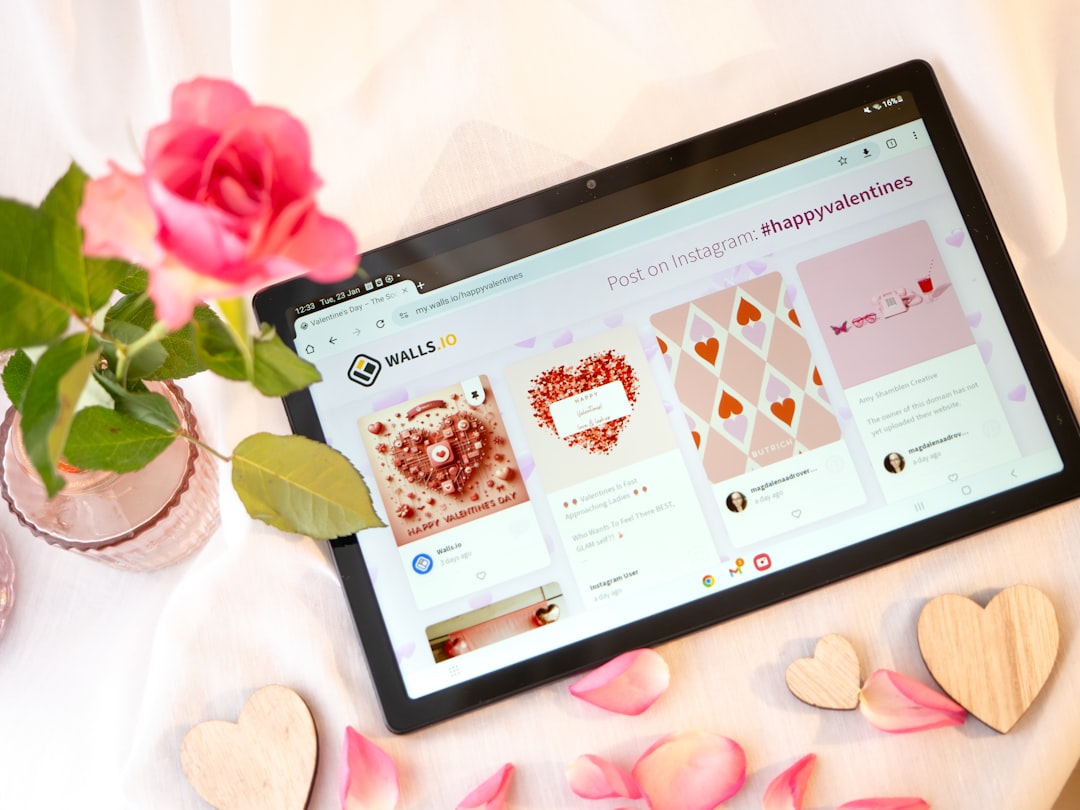
Valentine’s Day continues to be one of the most emotionally driven and commercially powerful seasonal opportunities for email marketers. In 2026, competition in the inbox is fiercer than ever, with brands leveraging AI personalization, interactive design, and time-sensitive offers to capture attention. To stand out, marketers must move quickly, optimize strategically, and focus on measurable wins that boost engagement and conversions. The following guide explores proven tactics to elevate any Valentine’s Day email marketing campaign with impactful subject lines, stunning designs, and smart conversion strategies.
TL;DR: Valentine’s Day email marketing in 2026 requires strong emotional triggers, personalized subject lines, mobile-first design, and frictionless checkout experiences. Brands should leverage AI-driven segmentation, urgency tactics, and interactive content to increase engagement. Testing subject lines and CTAs can deliver quick performance boosts. Simple design enhancements and strategic send timing can significantly improve conversion rates in a crowded inbox.
Crafting High-Impact Valentine’s Day Subject Lines
The subject line determines whether an email gets opened or ignored. With inboxes saturated by seasonal promotions, marketers must spark curiosity and emotion within seconds.
Key elements of winning 2026 subject lines include:
- Personalization: Adding the recipient’s name or referencing past purchases increases open rates.
- Urgency: Phrases like “Ends Tonight” or “Last Chance for Delivery” prompt immediate action.
- Emotional language: Valentine’s Day is about connection, love, and appreciation.
- Emoji balance: Strategic use of heart or gift emojis can boost visibility without appearing spammy.
Examples of high-performing subject lines for 2026:
- “Still Searching for the Perfect Gift, Sarah?”
- “Love Is in the Air – 20% Off Ends Tonight ❤️”
- “Your Valentine’s Surprise Awaits”
- “Order by Midnight for Guaranteed Delivery”
AI-powered subject line testing tools can now predict open rates before sending, giving marketers a powerful edge. Running A/B tests on small audience segments before full deployment is a quick win that minimizes risk and maximizes performance.
Design Tips That Drive Engagement
In 2026, consumers expect visually immersive yet fast-loading email designs. Clean layouts, bold visuals, and clear messaging outperform cluttered promotional templates.
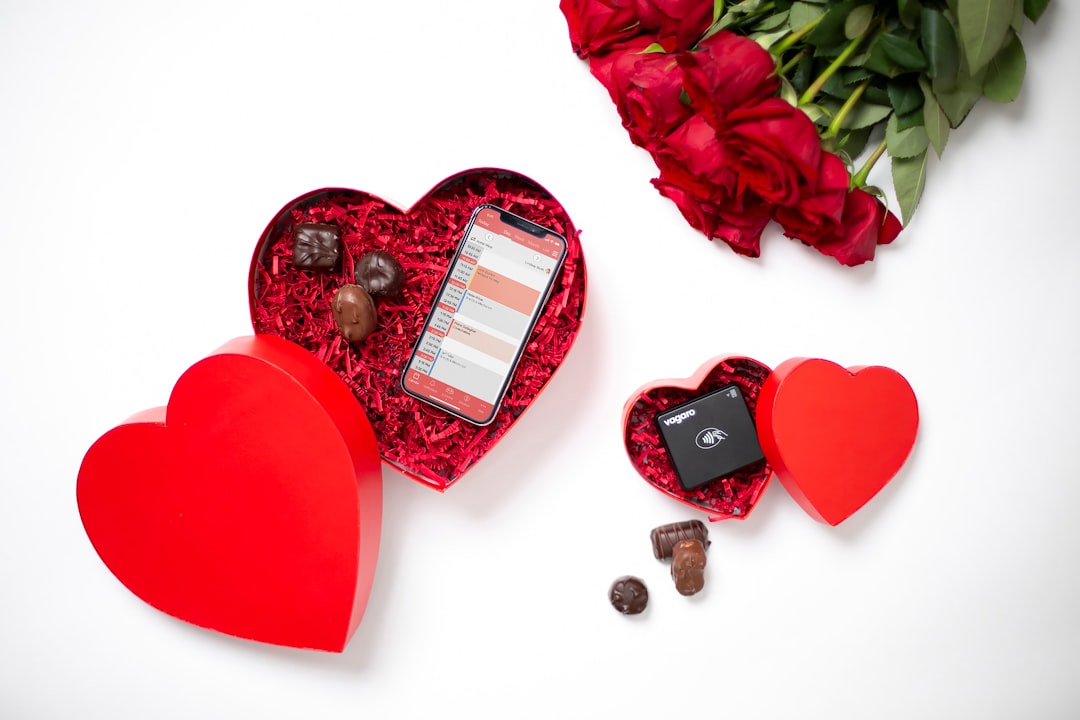
Best practices for Valentine’s Day email design:
- Mobile-first layout: Over 70% of promotional emails are opened on mobile devices.
- Romantic but modern color palettes: Classic reds and pinks remain effective, but soft neutrals and gold accents create a premium feel.
- Minimal copy with bold CTAs: Keep text concise and direct attention to one primary action.
- High-quality product imagery: Lifestyle shots often outperform plain product displays.
Interactive design features are increasingly popular. Countdown timers for shipping deadlines and hover effects for product previews drive urgency and engagement.
An effective Valentine’s email typically follows this structure:
- Hero section: Emotional headline and compelling visual.
- Featured products or offers: Highlight best sellers or limited editions.
- Clear CTA button: Examples include “Shop the Collection” or “Find the Perfect Gift.”
- Urgency reinforcement: Delivery deadline reminder.
Brands should maintain accessibility standards by using readable fonts, sufficient color contrast, and descriptive alt text for images.
Segmentation and Personalization Strategies
Generic messaging rarely performs well in 2026. Consumers respond better to relevant, personalized recommendations tailored to their preferences and browsing behavior.
Simple segmentation ideas for quick wins:
- Last-minute shoppers: Promote digital gift cards or same-day shipping.
- Frequent buyers: Offer loyalty rewards or exclusive early access.
- Single shoppers: Highlight self-care or “treat yourself” products.
- Recent browsers: Showcase abandoned or viewed items.
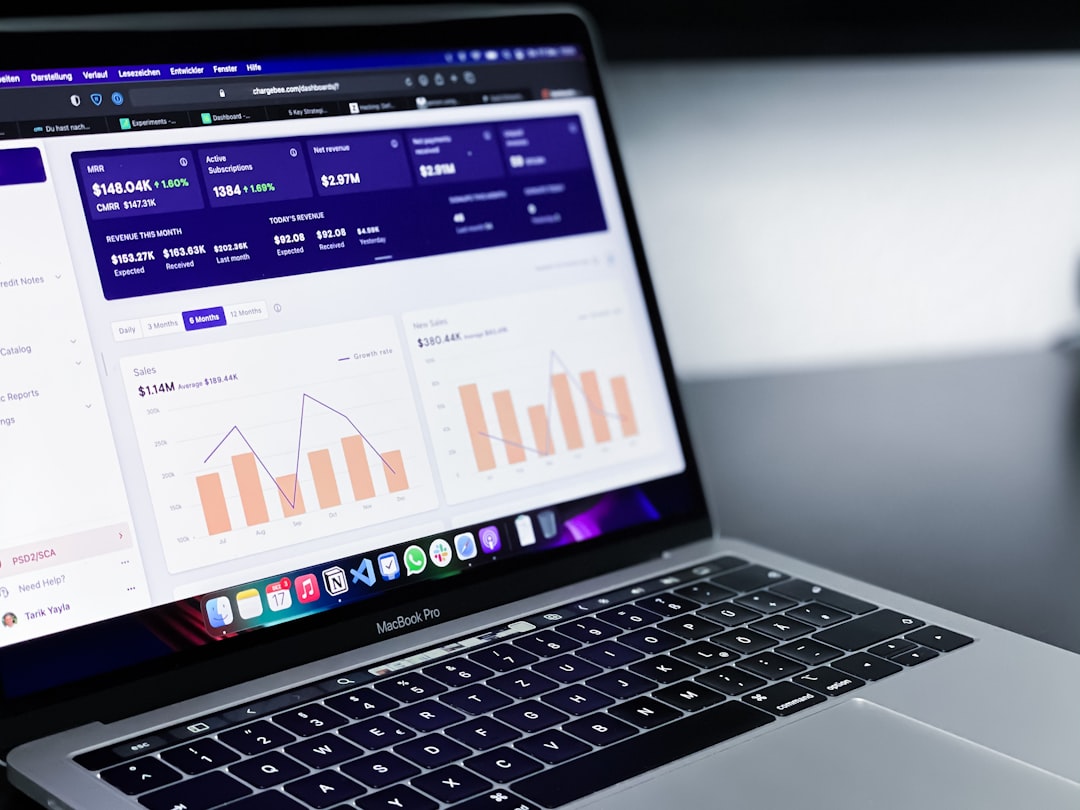
AI-driven tools can now dynamically populate emails with real-time product recommendations based on inventory and browsing patterns. This level of personalization significantly increases click-through and conversion rates.
Conversion Strategies That Deliver Immediate Results
High open rates mean little without conversions. Optimizing the pathway from email click to checkout is essential for revenue impact.
Proven tactics to boost Valentine’s conversions include:
- Limited-time bundles: Curated “His & Hers” or “Date Night” packages encourage higher average order value.
- Free shipping thresholds: Incentivize customers to add more items.
- Clear return policies: Reduce buyer hesitation.
- Express checkout options: Mobile wallets and one-click payment reduce friction.
Adding customer reviews within the email also builds trust. Social proof is particularly influential for gift buyers uncertain about their purchase decisions.
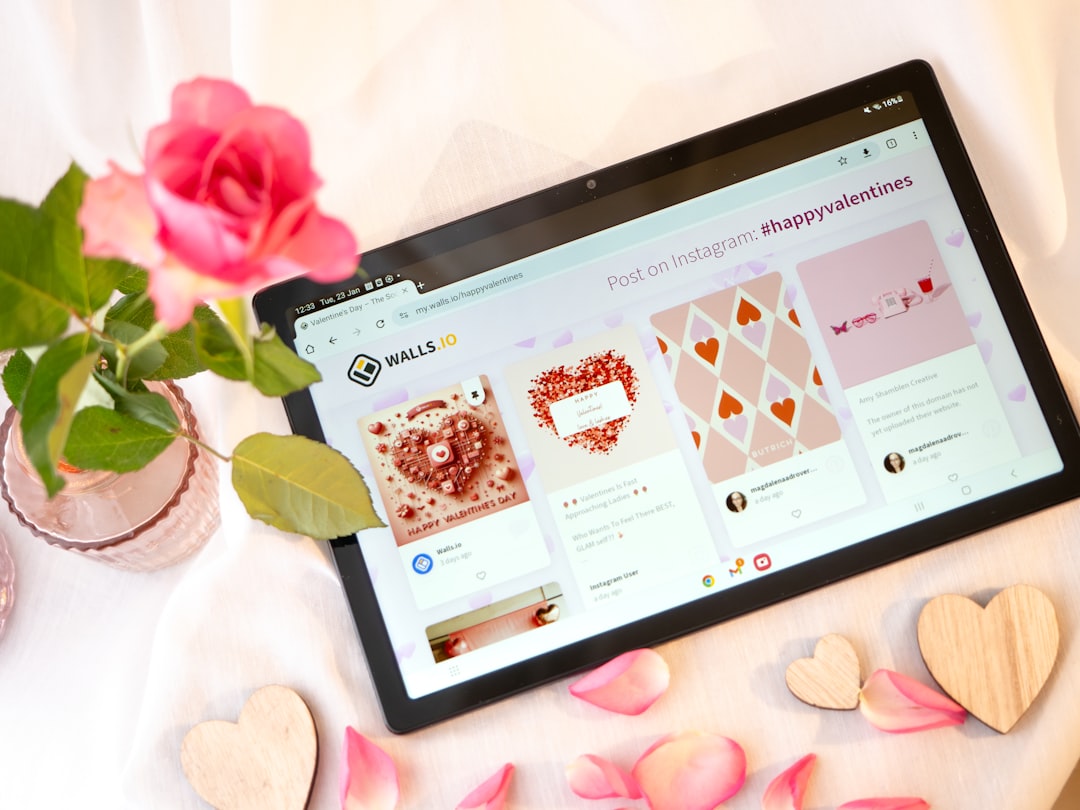
Marketers should ensure landing pages match the email’s visual tone and offer. Consistency reinforces trust and reduces drop-off rates.
Optimizing Send Time and Frequency
Timing can determine campaign success. Data trends for 2026 indicate three primary sending windows:
- Early planners: February 1–7 for premium gifts.
- Mainstream buyers: February 8–12 for promotional offers.
- Last-minute shoppers: February 13–14 for digital gifts and express delivery.
Sending reminders 48 hours before shipping cutoffs produces measurable sales spikes. However, marketers should avoid overwhelming subscribers with excessive emails. A well-timed three to four message sequence often outperforms daily blasts.
Leveraging Automation for Quick Wins
Automation simplifies campaign scaling while maintaining personalization. Pre-built workflows for abandoned cart reminders, browse abandonment, and post-click follow-ups increase efficiency and revenue.
Effective automation flows:
- Abandoned cart series: Gentle reminder followed by incentive.
- Price drop alerts: Notify subscribers if viewed items go on sale.
- Last-call reminders: Triggered before shipping deadlines.
Automation ensures potential buyers are re-engaged without manual effort, making it one of the highest ROI tactics available.
Measuring and Refining Performance
Continuous improvement separates average campaigns from record-breaking ones. Marketers should monitor:
- Open rate
- Click-through rate
- Conversion rate
- Revenue per subscriber
- Unsubscribe rate
Heatmap tools reveal which email sections attract the most engagement. Post-campaign analysis helps refine messaging for future seasonal promotions such as Mother’s Day and summer sales.
Final Thoughts
Valentine’s Day presents a prime opportunity for brands to connect emotionally and drive significant revenue. Quick wins in subject line optimization, mobile-first design, personalization, and urgent offers can dramatically increase performance. In 2026, the brands that succeed are those that balance creativity with data-driven decision-making. By focusing on clear messaging, frictionless experiences, and well-timed automation, marketers can turn seasonal interest into measurable growth.
Frequently Asked Questions (FAQ)
1. When should a Valentine’s Day email campaign start?
Most campaigns begin between February 1 and February 7 to capture early shoppers. A staggered approach targeting early planners and last-minute buyers typically performs best.
2. How many Valentine’s emails should be sent?
A sequence of three to four well-spaced emails is generally effective. Over-sending can increase unsubscribe rates.
3. What types of subject lines work best?
Personalized, urgent, and emotionally appealing subject lines with light emoji use tend to achieve higher open rates.
4. How can conversions be improved quickly?
Implement limited-time offers, simplify checkout, add free shipping incentives, and ensure landing pages align with email messaging.
5. Is personalization really necessary in 2026?
Yes. Consumers expect tailored experiences. AI-driven personalization significantly enhances engagement and revenue outcomes.
6. What is the biggest mistake to avoid?
Cluttered design and unclear calls to action reduce effectiveness. Keeping messaging focused and visually clean delivers better results.