

PR supports SEO best when it earns trust signals that search engines can see: credible links, repeated brand mentions, expert coverage, referral traffic, and higher branded search demand. A campaign that only “gets attention” is nice. A campaign that gets cited by relevant publishers, quoted by niche experts, and searched for by real people can improve organic visibility in ways technical SEO alone often cannot.
TLDR: Earned media and digital PR can help SEO by increasing high-quality backlinks, unlinked brand mentions, topic authority, and branded searches. For example, a B2B software company that earned 18 media placements over three months saw a 37% increase in referring domains and a 22% lift in non-branded organic clicks. The best results come from campaigns built around useful data, expert insight, and stories journalists actually want. PR is not a shortcut, but it can make SEO growth feel less like pushing a boulder uphill.
Why PR and SEO Belong in the Same Room
SEO used to be treated like a technical checklist. Fix crawl errors. Add keywords. Build links. Repeat. Those tasks still matter, but organic search has become much more tied to reputation. Search engines are trying to reward brands that appear credible, useful, and known within their category.
This is where PR earns its seat. Strong media coverage can place your brand on trusted sites. Expert commentary can connect your name with important topics. Thoughtful campaigns can get people talking, searching, and linking.
The catch is, PR for SEO only works when both sides agree on goals. A glossy press mention with no link, no audience fit, and no search relevance may warm the ego. It may do little for rankings. On the other hand, one well-placed quote in a respected trade publication can support authority for months.
Earned Media Creates Link Signals That Still Matter
Backlinks remain one of the clearest ways PR supports SEO. When a reputable publication links to your site, it can pass authority and help search engines understand that your content deserves attention.
Not all links carry the same weight. A link from a relevant industry magazine is usually more useful than a random mention on a low-quality site. Relevance matters. So does editorial context. A natural link inside an article about your field is far stronger than a buried directory listing.
Good digital PR campaigns often earn links through:
- Original research, such as surveys, reports, and trend data.
- Expert commentary on breaking news or niche topics.
- Useful tools, calculators, templates, or interactive resources.
- Strong opinions backed by experience and real examples.
- Local stories connected to community data or events.
Honestly, it feels like some teams still chase any link they can get, then wonder why nothing moves. A link should support a topic you want to rank for. It should come from a site your audience might actually trust. Otherwise, it is just clutter in a spreadsheet.
Brand Mentions Help Search Engines Connect the Dots
Links are valuable, but they are not the only signal. Brand mentions can also help build recognition. These may be linked or unlinked. Either way, consistent mentions across credible sites can help search engines associate your brand with specific products, services, people, and topics.
For example, if your cybersecurity firm is repeatedly mentioned in articles about ransomware prevention, cloud security, and compliance, that pattern matters. It tells a story. Your brand becomes connected to a category.
Unlinked mentions are also useful for PR follow-up. If a journalist names your company but forgets the link, a polite request can often turn that mention into a backlink. Keep the request short. Make it helpful. Do not beg. Nobody enjoys that email.
Digital PR Can Increase Branded Search Demand
One of the most underused SEO benefits of PR is branded search growth. When people see your company in a respected article, podcast, newsletter, or report, many will not click the first time. They may search for you later.
That matters. More branded searches can signal rising awareness. It can also improve click-through rates from search results. If people recognize your name, they are more likely to choose your result over a stranger’s.
Track queries such as:
- Your brand name
- Your brand plus product category
- Your founder or expert names
- Your report, tool, or campaign name
- Your brand plus reviews, pricing, or comparisons
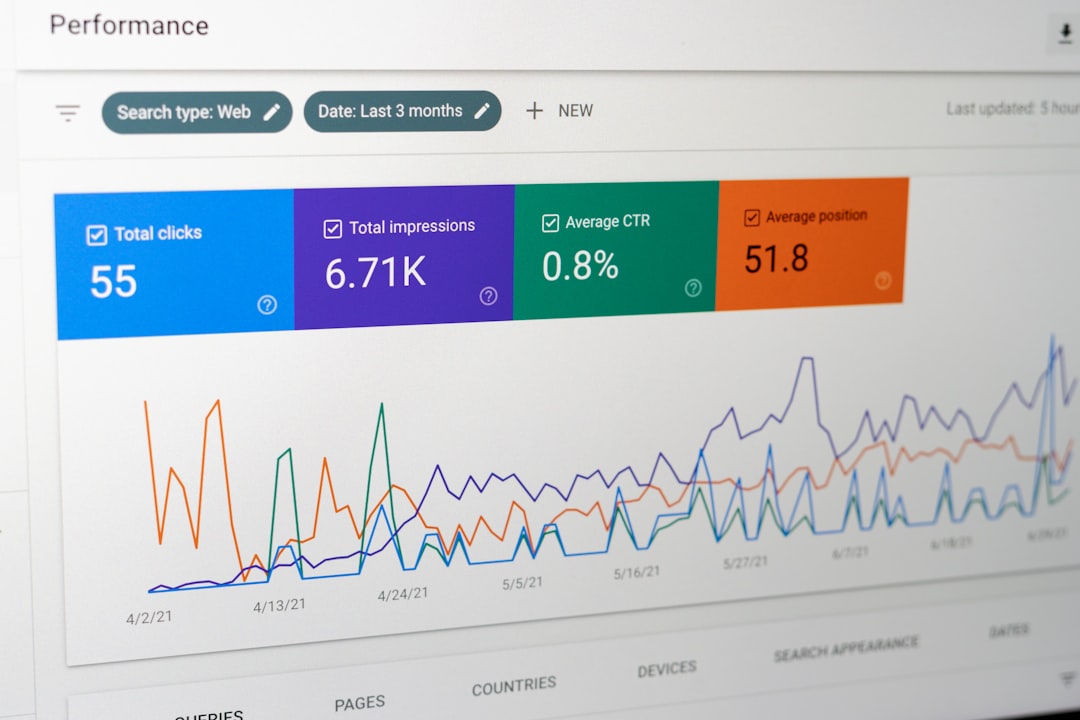
If a PR campaign runs in April, compare branded impressions and clicks in Search Console before, during, and after the campaign. If branded impressions rise by 15% to 40%, that is a useful sign. It does not prove everything alone, but it shows demand moving in the right direction.

PR Content Can Feed SEO Content
Digital PR should not sit in a silo. The best campaigns create assets that can support landing pages, blog posts, reports, and sales materials.
A survey pitch can become a data report. A founder quote can become a thought leadership article. A media question can expose a search topic your customers care about. PR teams hear what journalists ask. SEO teams know what users search. Put those insights together and content gets sharper.
For example, suppose reporters keep asking your finance app about “hidden subscription costs.” That could become:
- A data-led PR story on average household subscription waste.
- An SEO guide targeting “how to find unused subscriptions.”
- A calculator that estimates yearly savings.
- A comparison page for people evaluating budgeting apps.
Now one idea supports press, rankings, email, social, and product education. That is efficient. It also beats publishing another bland “top tips” post that nobody asked for.
What to Measure Beyond Media Clips
Media clips feel good, but SEO needs stronger reporting. Track both PR outputs and search outcomes. This helps teams see what is working and what is just noise.
Useful metrics include:
- New referring domains: especially from relevant, trusted sites.
- Link quality: placement context, anchor text, and topical fit.
- Unlinked mentions: opportunities for friendly link requests.
- Referral traffic: visits from earned placements.
- Branded search growth: impressions, clicks, and query variety.
- Organic ranking changes: especially for target topic clusters.
- Assisted conversions: leads or sales influenced by PR traffic.
It drives me crazy when monitoring tools surface duplicate clips as “new coverage,” then take another 20 seconds to load the actual source. Clean your reports. Remove syndication duplicates. Separate high-value coverage from filler. Your SEO team will thank you.
How to Build a PR Campaign With SEO Value
Start with search intent. What does your audience want to know? What problems are they trying to solve? What topics do you want to be known for?
Then build a PR angle that gives journalists something fresh. Freshness can come from data, timing, conflict, expert insight, or a surprising pattern. “We launched a product” is rarely enough. “New data shows small retailers lose 11 hours a week to manual inventory tasks” is much stronger.
Use this simple workflow:
- Choose an SEO topic cluster tied to commercial value.
- Create a newsworthy asset, such as a report or expert analysis.
- Pitch relevant journalists who already cover that subject.
- Publish a strong landing page that gives reporters a natural place to link.
- Monitor links and mentions after coverage goes live.
- Repurpose the campaign into search content, social posts, and sales enablement.

Common Mistakes That Weaken Results
The biggest mistake is treating PR and SEO as separate projects. If PR pitches a story before SEO prepares a link-worthy page, coverage may point to a homepage or no page at all. If SEO creates data content without PR input, it may never earn attention.
Another mistake is chasing only national media. Big publications can help, but niche sites often bring stronger relevance. A respected trade outlet may send fewer visitors, yet those visitors can be closer to buying. Its link may also fit your topic better.
Finally, do not confuse publicity with authority. A viral stunt can spike traffic for two days and then vanish. A well-researched industry report can earn links for years. Choose assets with a shelf life.
The Real Value of PR for SEO
PR does not replace technical SEO, content strategy, or on-page work. It makes them stronger. Earned media gives your best pages more authority. Brand mentions build recognition. Digital PR creates stories that people search for, cite, and share.
The winning formula is simple: create something worth referencing, place it where the right audience already pays attention, and make sure search engines can connect that attention back to your brand. Do that often enough, and organic visibility becomes less dependent on guesswork and more tied to real market trust.