

Plausible is the better pick for most small teams that want clean, lightweight website analytics without cookie banners. Simple Analytics is also strong, especially for teams that want an even more privacy-first feel and a stripped-down dashboard. Plausible says its tracking script is under 1 KB, which makes it a smart choice for speed-sensitive sites [source: Plausible].
TLDR: Plausible.io suits teams that want simple traffic reports, conversion goals, custom events, and a dashboard that still feels familiar. Simple Analytics is best for teams that want the least clutter and do not need many extras. For example, a blog getting 50,000 monthly visits could use Plausible to track newsletter signups, outbound clicks, and top referral sources in one place. If that same blog only wants page views, referrers, and privacy-friendly totals, Simple Analytics may feel faster to manage.
Quick verdict: Plausible vs Simple Analytics
Plausible.io and Simple Analytics both exist for people who are tired of bloated analytics tools. They are lighter than Google Analytics. They avoid creepy user tracking. They are built for website owners who want useful numbers without turning the dashboard into a second job.
The main difference is tone. Plausible feels like a simple analytics tool with enough business features. Simple Analytics feels like a privacy tool that also gives traffic reports. That sounds small, but it matters once a site grows.
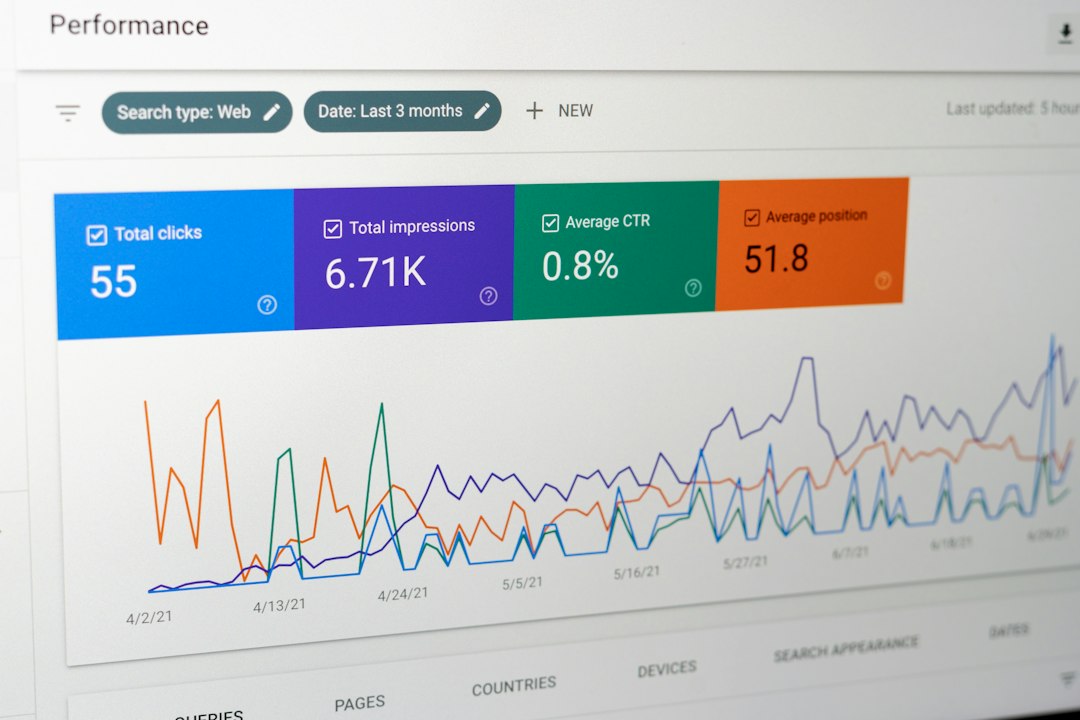
Where Plausible.io wins
Plausible is often easier to recommend because it balances speed, privacy, and practical features. It tracks the basics well: visitors, page views, bounce rate, visit duration, referrers, countries, devices, and top pages.
Its real strength is that it does not stop there. A team can set up goals, track custom events, and monitor campaigns with UTM tags. That makes it useful for landing pages, SaaS sites, newsletters, and ecommerce content.
- Best for: startups, blogs, agencies, SaaS sites, and content teams.
- Main benefit: simple reports with enough depth for growth work.
- Weak spot: advanced users may still miss deep funnels and user paths.
It drives people a bit mad when “simple” tools hide useful settings behind vague menus. Plausible avoids much of that. Most reports are easy to find in a few seconds. The dashboard is plain, but in a good way.
Where Simple Analytics wins
Simple Analytics takes minimalism even further. Its dashboard is calm and very easy to read. It avoids personal data collection and focuses on broad website trends. For teams that hate analytics setup, that is a relief.
It is especially good for publishers, small business sites, portfolios, and public projects. A person can check traffic, see popular pages, and move on. No fuss. No maze of reports.
- Best for: privacy-led brands, indie sites, documentation sites, and simple blogs.
- Main benefit: very clean reporting with strong privacy defaults.
- Weak spot: fewer growth features than Plausible.
The annoying part is that Simple Analytics can feel too simple when a team starts asking harder questions. For example, “Which ad led to the trial signup?” or “Which pages push users to the pricing page?” Plausible handles those cases more comfortably.
Privacy and compliance
Both tools are strong on privacy. They avoid the worst parts of old-school analytics, such as heavy scripts and invasive user profiles. They also help many sites reduce cookie banner noise, though legal needs still depend on region and setup.
Plausible is open source and built with privacy-friendly analytics in mind. Simple Analytics is also privacy-first and has a clear stance against tracking people across the web.
For most site owners, either tool is a huge step up from bulky tracking suites. Still, legal teams should check consent rules before making claims on a public privacy page.
Performance and setup
Both tools are light. Both are easy to install. In most cases, setup means adding one script to the site header. WordPress, Webflow, Framer, and custom sites can all use them without much pain.
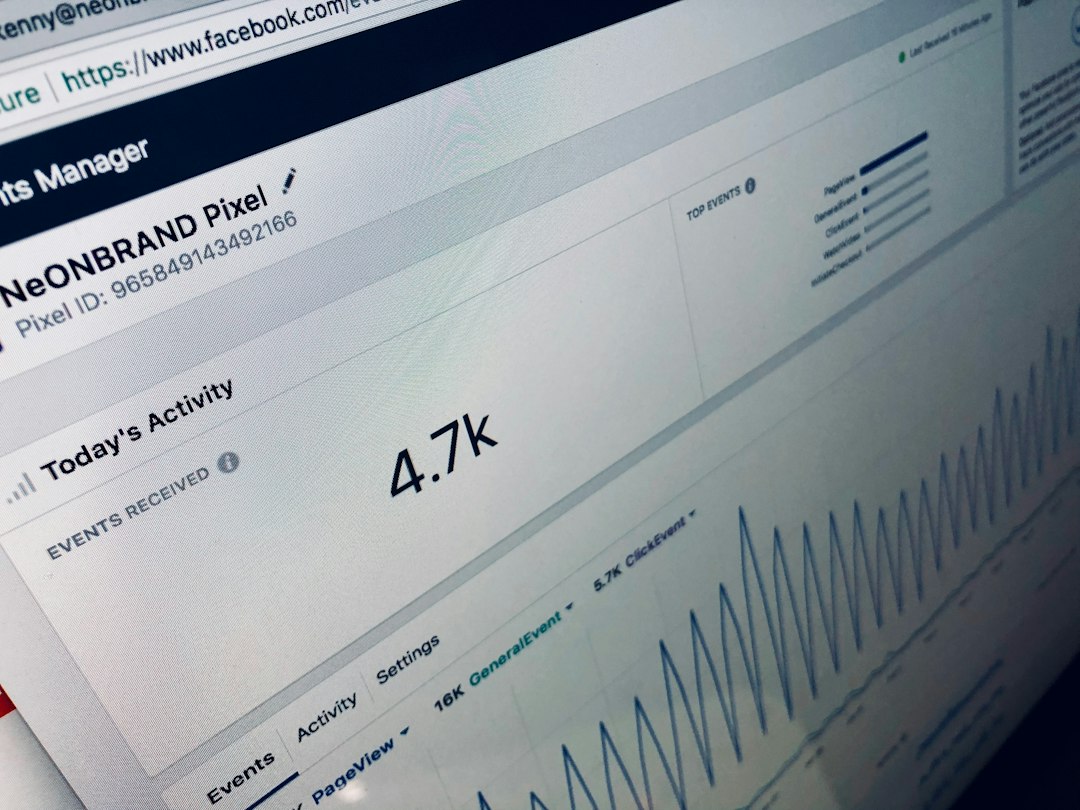
Plausible has a slight edge for teams that want more setup options. It supports goal tracking, outbound link clicks, file downloads, and custom events. Simple Analytics keeps setup more basic, which is nice until the team needs more detail.
Reporting and growth use
For pure website stats, both are enough. For growth work, Plausible pulls ahead. It gives marketers and founders a better view of what content and campaigns are doing.
A company comparing tools for deeper product behavior may still need heavier software. For example, teams studying funnels, retention, and product usage may compare customer analytics platforms instead. Plausible and Simple Analytics are website analytics tools, not full product analytics suites.
Teams that care about voice-of-customer data may also pair analytics with survey tools. In that case, customer feedback platforms can explain why visitors behave a certain way.
Pricing and value
Pricing changes over time, so buyers should check both sites before signing up. In general, both tools use traffic-based pricing. That means a small blog pays less than a high-traffic media site.
Plausible often feels like better value when a team uses goals, events, and campaign reports. Simple Analytics feels better when the site owner wants clean stats and nothing extra.
Which one should a team choose?
- Choose Plausible.io if the site needs goals, campaign tracking, custom events, and clear growth reports.
- Choose Simple Analytics if privacy, calm reporting, and low maintenance matter most.
- Choose neither if the team needs session replays, deep funnels, or user-level product behavior.
For most business sites, Plausible is the safer all-round choice. For personal sites and privacy-led projects, Simple Analytics is hard to dislike.
FAQ
- Is Plausible better than Simple Analytics?
Plausible is better for teams that need goals, events, and campaign tracking. Simple Analytics is better for very simple, privacy-first reporting. - Do Plausible and Simple Analytics use cookies?
Both are designed to work without traditional tracking cookies. Site owners should still check local privacy rules. - Can Plausible replace Google Analytics?
Yes, for many small and mid-sized websites. It may not replace every advanced Google Analytics report. - Is Simple Analytics good for business websites?
Yes, if the business only needs clean traffic stats. For conversion tracking, Plausible may be a better fit. - Which tool is easier to use?
Simple Analytics is slightly simpler. Plausible is still easy, but offers more reporting options.