


Modern software products live or die by the quality of their user experience. Even the most powerful platform can struggle to retain users if the onboarding process is confusing, overwhelming, or poorly timed. Onboarding tour platforms like Userpilot have emerged as essential tools for guiding users from their first login to meaningful product adoption. By combining in-app guidance, behavioral targeting, and analytics, these platforms enable companies to design structured, data-driven pathways that turn new users into engaged and loyal customers.
TLDR: Onboarding tour platforms like Userpilot help businesses design structured in-app experiences that guide users toward value quickly and efficiently. They combine interactive walkthroughs, behavior-based triggers, and analytics to improve product adoption and reduce churn. When implemented strategically, these tools transform onboarding from a one-time event into an ongoing user education strategy. The result is higher engagement, improved retention, and measurable growth.
Why Effective Onboarding Matters More Than Ever
Today’s digital users expect immediate clarity. If they do not understand how a product solves their problem within minutes, they are likely to disengage. Research consistently shows that poor onboarding is a major contributor to early churn. The first experience sets expectations, establishes trust, and builds confidence in the solution.
Strong onboarding accomplishes several objectives:
- Clarifies value quickly by highlighting the product’s core benefits.
- Reduces friction through guided actions and contextual instructions.
- Encourages early wins that build user confidence.
- Collects insights to personalize the ongoing experience.
Traditional onboarding methods—such as static tutorials or long help articles—often fail because they are disconnected from actual user behavior. Modern onboarding tour platforms address this gap by delivering guidance directly inside the product, precisely when users need it.
What Are Onboarding Tour Platforms?
Onboarding tour platforms are software solutions that allow product teams to create interactive, in-app walkthroughs without extensive engineering resources. Platforms like Userpilot empower companies to design tooltips, checklists, modals, slideouts, and driven flows that guide users step by step through critical product features.
These platforms typically include:
- Interactive product tours
- Behavior-triggered prompts
- User segmentation tools
- Analytics and event tracking
- A/B testing capabilities
The core advantage lies in flexibility. Product and growth teams can iterate rapidly, refine messaging, and respond to user behavior without waiting for development cycles.
Transforming User Experience Through Contextual Guidance
The defining feature of platforms like Userpilot is contextual onboarding. Instead of overwhelming users with information upfront, the system delivers relevant instructions aligned with user actions.
For example:
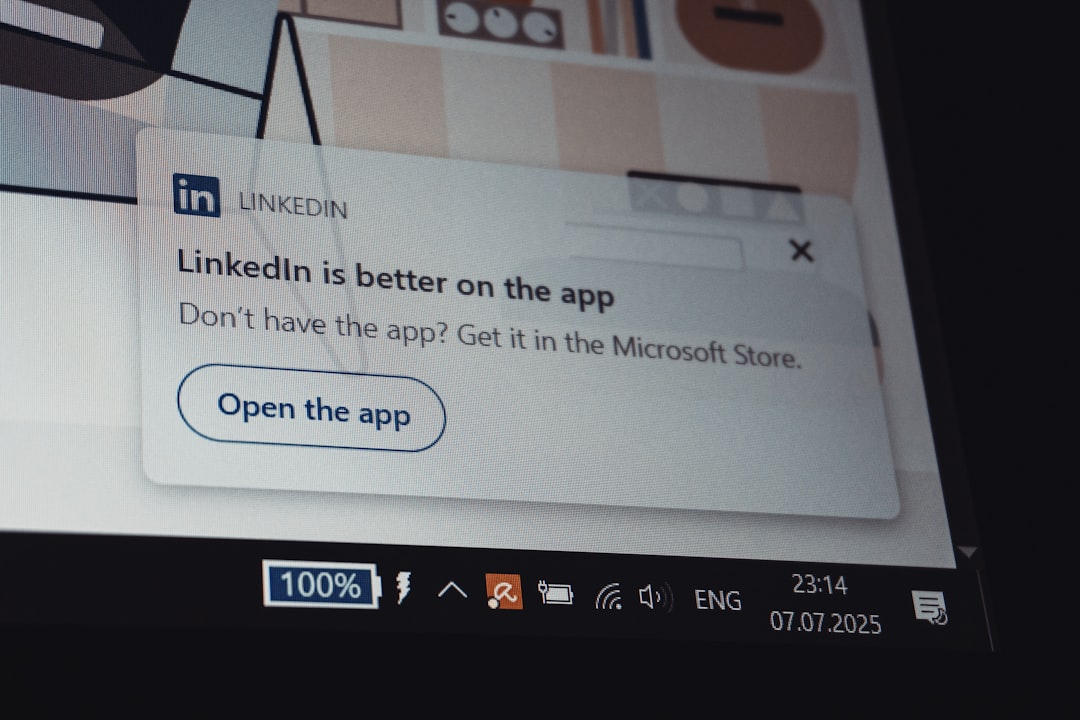
- A tooltip appears when a user hovers over a new feature.
- A checklist suggests next steps after account setup.
- A modal highlights advanced functionality once basic tasks are completed.
This context-driven approach respects cognitive load. Users learn by doing, and information is distributed logically along their journey rather than concentrated at the beginning.
Contextual onboarding also reduces frustration. Rather than forcing users to search for help resources, guidance is integrated seamlessly into their current workflow.
Personalization and Segmentation
Not all users share identical goals. A new startup founder using a SaaS analytics tool will have different priorities than an enterprise operations manager. Onboarding tour platforms enable companies to segment users based on attributes such as:
- Role or job title
- Company size
- Behavior inside the app
- Subscription tier
- Lifecycle stage
With segmentation capabilities, onboarding becomes personalized rather than generic. New users may receive introductory flows, while returning users are shown advanced feature prompts.
This level of personalization is critical for improving user experience because it ensures relevance. Irrelevant tutorials or feature announcements can create confusion and diminish credibility. By contrast, tailored guidance signals that the platform understands user needs.
Driving Product Adoption and Feature Discovery
One of the most common challenges in software products is underutilized features. Teams invest substantial effort in building new functionality, yet many users remain unaware of its existence.
Onboarding tour platforms address this adoption gap directly. Through in-app announcements, feature banners, and targeted walkthroughs, companies can spotlight updates in a structured manner.
Strategic feature promotion often includes:
- Announcement modals for major releases
- Interactive tours demonstrating usage scenarios
- Micro-surveys to gather feedback
- Usage-based triggers reminding inactive users
Effective adoption campaigns promote new features without overwhelming the interface. The key lies in timing and relevance, ensuring that users are introduced to functionality when it adds tangible value.
Data-Driven Optimization
A major advantage of platforms like Userpilot is their analytical capacity. Onboarding is no longer a static flow deployed and forgotten. Instead, it becomes an iterative process informed by measurable insights.
Teams can track:
- Completion rates of onboarding flows
- Drop-off points within tours
- Feature adoption trends
- Activation metrics
- Correlation between onboarding completion and retention
With these insights, organizations can refine messaging, adjust friction points, and conduct A/B testing to determine the most effective sequence of steps. This analytical feedback loop transforms onboarding into a strategic growth lever rather than a support mechanism.
Reducing Support Burden and Operational Costs
Well-designed onboarding flows decrease reliance on customer support teams. When users can self-educate through interactive guidance, support tickets related to basic functionality decline.
This has two significant outcomes:
- Lower operational costs due to reduced repetitive inquiries
- Improved user satisfaction through faster issue resolution
Instead of waiting for email replies or browsing external help documentation, users receive answers within the application itself. This self-service approach strengthens trust and reinforces a sense of autonomy.
Enhancing Long-Term Engagement
Effective onboarding does not end after the first login. In reality, user education should be continuous. As products evolve, users require guidance to leverage new capabilities.
Onboarding tour platforms support long-term engagement through:
- Contextual upgrade prompts
- Progress-based learning paths
- Milestone-driven messages
- Re-engagement campaigns
By guiding users progressively, companies maintain momentum throughout the lifecycle. Users feel supported rather than abandoned after initial setup.

Best Practices for Implementing Onboarding Tour Platforms
While the tools themselves are powerful, their success depends heavily on strategic implementation. Organizations should consider the following best practices:
- Define activation goals clearly. Identify the actions that correlate with long-term retention and design onboarding to drive those behaviors.
- Keep flows concise. Avoid overwhelming users with lengthy tours. Break content into manageable steps.
- Prioritize early value. Help users achieve a meaningful outcome quickly.
- Use behavioral triggers. Deliver guidance based on actions, not arbitrary timelines.
- Continuously measure and iterate. Treat onboarding as a living system rather than a one-time deployment.
Execution should align closely with the organization’s overall product strategy. Onboarding is most effective when it reflects genuine empathy for user needs and clearly communicates tangible benefits.
Security, Reliability, and Scalability Considerations
Enterprises evaluating onboarding tour platforms must also assess technical reliability and data governance. Reputable providers prioritize:
- Secure data handling practices
- Compliance with privacy regulations
- Minimal impact on application performance
- Scalable infrastructure for growing user bases
A poorly optimized onboarding layer can degrade performance or create compatibility issues. Therefore, selecting a mature, well-supported platform is critical for long-term success.
Conclusion
Onboarding tour platforms like Userpilot have redefined how digital products introduce users to value. By combining contextual guidance, segmentation, analytics, and iterative testing, these tools transform onboarding from a static tutorial into a dynamic user experience engine.
In competitive markets where user attention is limited and expectations are high, structured onboarding is not optional. It is foundational. Organizations that invest in thoughtful, data-driven onboarding strategies position themselves to reduce churn, accelerate adoption, and cultivate enduring customer relationships.
Ultimately, improving user experience begins with clarity. Platforms that guide users intelligently, respectfully, and strategically create the conditions for trust, engagement, and sustained growth.