

Artificial intelligence is no longer just a buzzword. It is now a co-worker. A fast one. A tireless one. And businesses everywhere are hiring these digital helpers at record speed. From customer service to sales, AI agents are reshaping how companies operate every single day.
TLDR: Businesses are adopting AI agents to save time, cut costs, and grow faster. The most popular ones help with customer support, sales outreach, marketing, HR, and data analysis. Tools like ChatGPT Enterprise, Salesforce Einstein, Microsoft Copilot, and autonomous workflow agents are leading the charge. Companies that adopt early are gaining a serious competitive edge.
Let’s break down the most popular AI agents businesses are adopting right now. And let’s keep it simple and fun.
1. AI Customer Support Agents
This is the most common AI adoption. And it makes sense.
Customer support never sleeps. But humans do.
AI chat and voice agents now handle:
- Answering FAQs
- Processing returns
- Booking appointments
- Tracking orders
- Solving common tech issues
They work 24/7. No coffee breaks. No vacation days.
Popular tools include:
- Zendesk AI
- Intercom Fin
- Freshdesk Freddy AI
- ChatGPT Enterprise
What makes them powerful? They understand natural language. Customers type normally. The AI responds instantly.
Even better, modern agents can access company databases. They pull order numbers. They update shipping info. They escalate only when needed.

Businesses love this because:
- Support costs drop
- Response time improves
- Customer satisfaction rises
It is a win-win.
2. AI Sales Development Representatives (SDRs)
Sales teams are busy. Prospecting takes time. Following up takes even more time.
That is where AI SDR agents come in.
These AI agents can:
- Research leads
- Write personalized emails
- Send follow-ups
- Book meetings
- Update CRM systems
All automatically.
Popular AI sales agents include:
- Salesforce Einstein
- HubSpot AI
- Apollo AI
- Outreach AI
Some startups are even building fully autonomous AI sales reps. They manage entire pipelines with minimal supervision.
Imagine having 10 extra SDRs… without paying 10 salaries.
That is why adoption is exploding.
3. AI Marketing Assistants
Marketing moves fast. Trends change daily. Content never stops.
AI marketing agents help teams keep up.
They can:
- Generate blog posts
- Create ad copy
- Write social media captions
- Suggest SEO keywords
- Analyze campaign results
Some tools even run experiments automatically. They test headlines. They adjust budgets. They optimize for conversions.
Leading platforms include:
- Jasper AI
- Copy.ai
- Mailchimp AI
- Google Performance Max
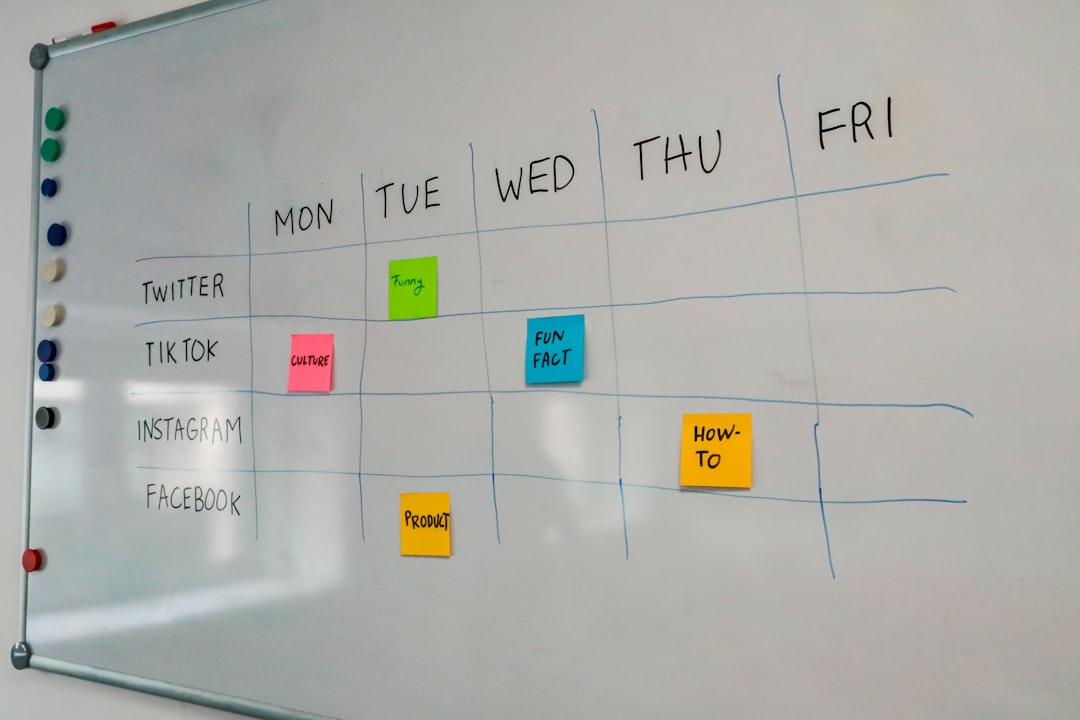
This saves marketers hours every week. It also improves performance. Because AI can analyze thousands of data points in seconds.
Humans bring strategy. AI handles execution.
That combination is powerful.
4. AI Coding and IT Support Agents
Developers were some of the first professionals to adopt AI agents.
Why? Because coding takes focus. And AI can autocomplete, debug, and suggest improvements instantly.
Popular coding agents include:
- GitHub Copilot
- Amazon CodeWhisperer
- Cursor AI
- Microsoft Copilot
These tools can:
- Generate code snippets
- Fix bugs
- Translate code between languages
- Write documentation
IT departments also use AI helpdesk agents. These agents troubleshoot internal tech issues automatically.
For example:
- Password resets
- VPN setup help
- System diagnostics
That means fewer tickets for IT teams. And faster fixes for employees.
5. AI HR and Recruiting Agents
Hiring is hard. Screening resumes is harder.
AI HR agents now help with:
- Resume screening
- Candidate ranking
- Interview scheduling
- Employee onboarding
- Policy question answering
Instead of reading 500 resumes manually, recruiters get a ranked shortlist.
Common tools include:
- Workday AI
- Eightfold AI
- Paradox Olivia

Employees also benefit. They can ask internal HR chatbots questions like:
- “How many vacation days do I have left?”
- “What is our maternity policy?”
- “How do I update payroll details?”
Answers come instantly.
6. AI Data Analyst Agents
Data is everywhere. But insights are rare.
AI data agents turn messy spreadsheets into clear answers.
You can type questions like:
- “Why did sales drop last quarter?”
- “Which region is growing fastest?”
- “What products have the highest margin?”
The AI scans the data. It generates charts. It explains trends in plain English.
Top tools include:
- Tableau AI
- Power BI Copilot
- ThoughtSpot Sage
This makes analytics accessible to non-technical teams. You no longer need a data science degree to understand performance.
7. Autonomous Workflow Agents
This is where things get exciting.
Autonomous AI agents do not just answer questions. They take action.
They can:
- Monitor inboxes
- Create tasks in project tools
- Move data between apps
- Trigger workflows
- Make decisions based on set rules
Think of them as digital operations managers.
Popular tools in this space include:
- Zapier AI
- Make AI
- Adept AI
- Agentforce by Salesforce
For example:
An AI agent notices a new high-value lead. It assigns it to sales. It sends a welcome email. It schedules a follow-up reminder. All automatically.
No human clicks required.
Comparison Chart of Popular AI Agents
| Category | Main Use | Popular Tools | Biggest Benefit |
|---|---|---|---|
| Customer Support AI | Handle customer queries | Zendesk AI, Intercom Fin, ChatGPT Enterprise | 24/7 instant responses |
| Sales AI Agents | Prospecting and follow ups | Salesforce Einstein, HubSpot AI, Apollo AI | More meetings booked |
| Marketing AI | Content and campaign optimization | Jasper AI, Copy.ai, Mailchimp AI | Faster content creation |
| Coding AI | Code generation and debugging | GitHub Copilot, CodeWhisperer | Higher developer productivity |
| HR AI Agents | Recruiting and employee support | Workday AI, Eightfold AI | Faster hiring process |
| Data AI Agents | Analytics and insights | Power BI Copilot, Tableau AI | Instant business insights |
| Workflow AI | Task automation | Zapier AI, Agentforce | Reduced manual work |
Why Businesses Are Moving So Fast
Three big reasons.
1. Cost savings.
AI handles repetitive tasks. Fewer manual hours are needed.
2. Speed.
AI responds instantly. Customers love fast service.
3. Scalability.
AI agents can handle 10 conversations or 10,000. No hiring rush required.
There is also competitive pressure. If your competitor uses AI and you do not, you fall behind.
Are AI Agents Replacing Humans?
Short answer? Not completely.
They are replacing tasks. Not entire people.
The smartest companies use AI to:
- Free employees from repetitive work
- Boost human creativity
- Improve decision making
- Increase overall output
Humans still lead strategy. They build relationships. They make judgment calls.
AI supports them.
What Comes Next?
We are moving toward multi-agent systems.
Imagine this:
- A sales AI talks to a marketing AI
- A finance AI updates forecasts automatically
- An operations AI adjusts inventory in real time
All connected. All learning.
Businesses that prepare now will benefit most.
Final Thoughts
AI agents are not the future. They are the present.
Customer service bots. Sales assistants. Marketing writers. Coding copilots. Data analysts. Workflow automators.
Companies large and small are adopting them quickly. Not because it is trendy. But because it works.
The key is simple. Start small. Pick one high-impact area. Test an AI agent. Measure the results.
Chances are, you will not go back.
The businesses winning today are not asking if they should use AI agents.
They are asking how many more can we deploy?