

Pick Semrush if your Magento store needs faster site audits, content ideas, and position tracking in one place. Pick Ahrefs if backlinks, competitor links, and keyword gaps are your main headache. Magento is now part of Adobe Commerce, and Adobe describes it as a platform for building flexible online stores [source: Adobe].
TLDR: Semrush is the better all-rounder for most Magento SEO teams. Ahrefs is stronger when you care about links and competitor research. Example: if your Magento store has 5,000 products and organic traffic dropped by 18%, start with a Semrush audit to find crawl errors, then use Ahrefs to check if rivals gained new links. A small team can run both for one month, fix the top 50 issues, then keep the one that saves the most time.
Semrush vs Ahrefs for Magento SEO: the simple answer
Magento SEO can get messy fast.
You have category pages. Product pages. Filters. Search pages. Canonicals. Duplicate titles. Slow pages. Weird URLs. Out-of-stock products. And that one plugin nobody remembers installing.
So your SEO tool needs to do more than look pretty.
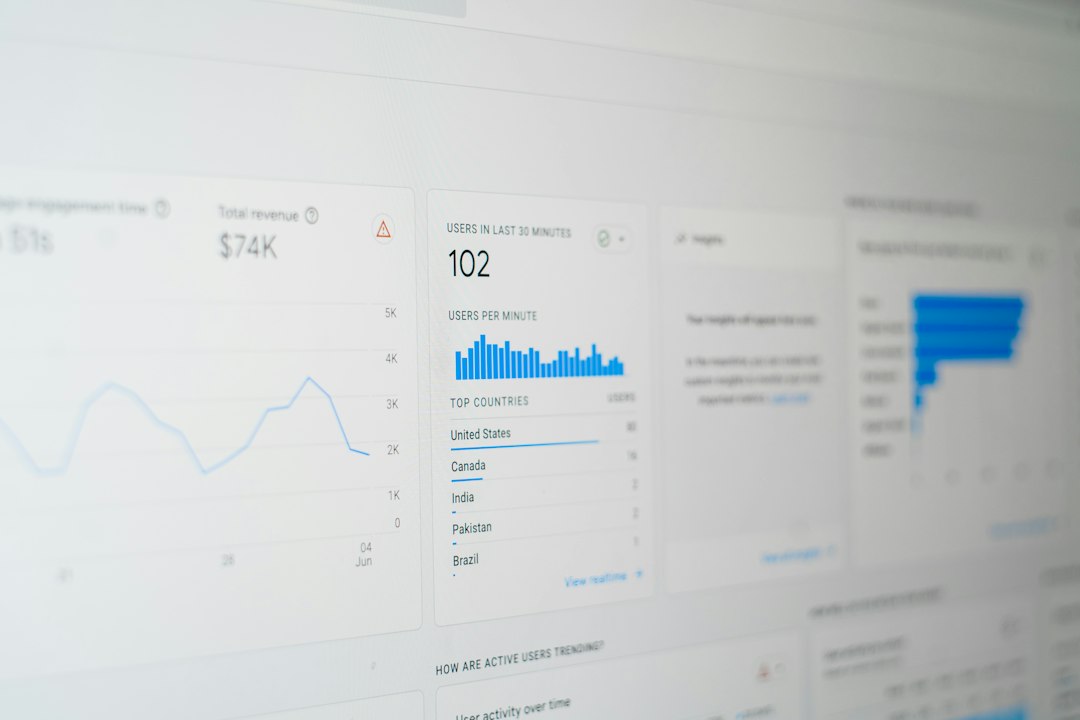
Semrush feels like a busy command center. It has site audits, rank tracking, keyword ideas, content tools, local SEO tools, and competitor tracking. It is great when you want one tool to spot many problems.
Ahrefs feels like a monster flashlight for links and competitor research. It is great when you want to see who links to your rivals, what pages bring them traffic, and what keywords you are missing.
For most Magento stores, the best setup is this:
- Use Semrush for technical SEO, tracking, and content planning.
- Use Ahrefs for backlinks, competitor pages, and keyword gaps.
- Use both for one month if sales are flat and you need answers fast.
Why Magento SEO needs special care
Magento is powerful. It is also very good at creating SEO chaos if left alone.
A single shirt can have pages for color, size, category, tag, and search filters. Nice for shoppers. Not always nice for Google.
Common Magento SEO issues include:
- Duplicate product pages from filters and sorting.
- Thin category pages with no helpful text.
- Slow loading pages due to large images or heavy themes.
- Missing meta titles on bulk imported products.
- Broken internal links after product removal.
- Bad canonical tags that confuse search engines.
It drives me a bit mad that one simple product import can create hundreds of messy URLs. This is why a good audit tool is not a luxury. It is your mop after the SEO smoothie explodes.
Where Semrush wins for Magento
Semrush is great for spotting technical problems. Its Site Audit tool checks crawlability, HTTPS, internal links, duplicate content, Core Web Vitals, structured data, and more.
That helps a lot with Magento. Especially when your store has thousands of products.
Semrush also has a clean project setup. You add your domain. Set your target country. Connect Google Analytics and Search Console if you want. Then it starts pulling useful data into one place.
Best Semrush features for Magento SEO:
- Site Audit: Finds crawl errors, duplicate tags, broken links, and slow pages.
- Position Tracking: Tracks keyword rankings by device and location.
- Keyword Magic Tool: Finds product and category keyword ideas.
- On Page SEO Checker: Gives page-level improvement ideas.
- Topic Research: Helps plan blog posts and buying guides.
Semrush is also nice for teams. A marketer can use it. An SEO specialist can use it. Even the store owner can peek at reports without crying into a coffee.
Still, it is not perfect. The interface has many tools. Too many, sometimes. Expect to waste time clicking around during the first week. You may open one report for keyword ideas and somehow end up in a social media tool. Fun? Maybe. Efficient? Not always.
Where Ahrefs wins for Magento
Ahrefs is brilliant for competitor research. If a rival category page ranks above yours, Ahrefs helps you see why.
You can check:
- How many backlinks the page has.
- Which sites link to it.
- Which keywords bring traffic.
- Which pages on the rival store perform best.
- Which content gaps you can attack.
This is gold for Magento stores in crowded markets. Think fashion, tools, supplements, electronics, toys, pet gear, or home decor.
Ahrefs also has a strong keyword database. It gives useful metrics like keyword difficulty, clicks, traffic potential, and parent topic. That last one is handy. It helps you avoid making five weak pages when one strong category guide would work better.
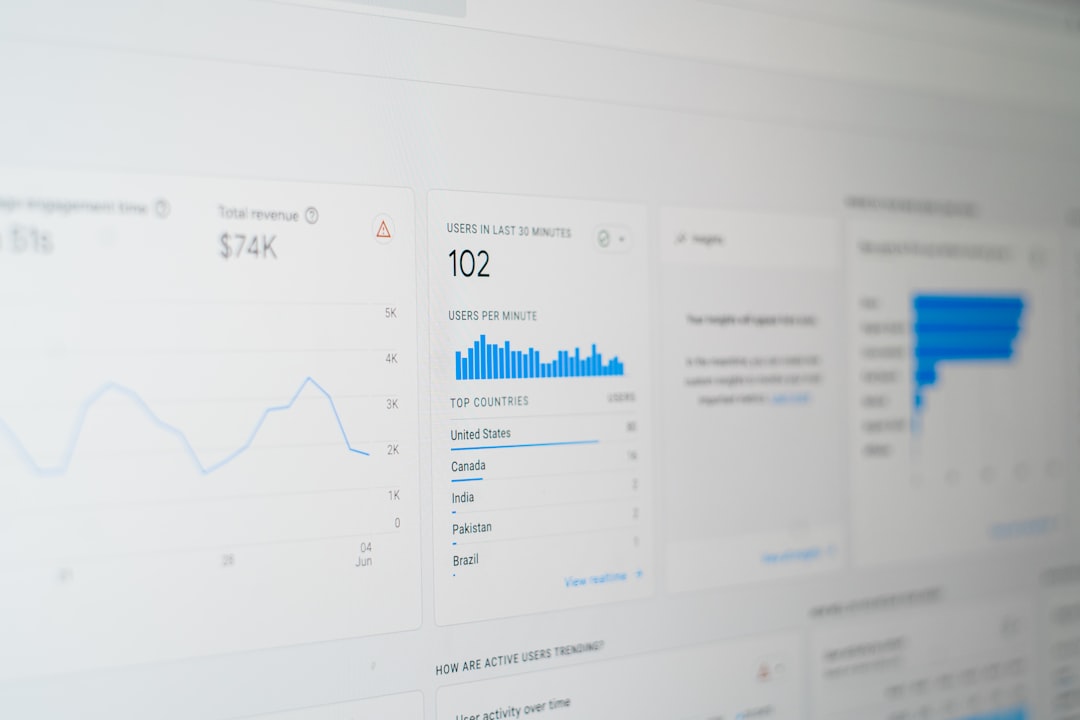
Ahrefs Site Audit is solid too. It can find many Magento issues. But Semrush feels more complete for ongoing health checks and reports.
Honestly, Ahrefs can feel a little cold for beginners. The data is excellent. The tool does not always hold your hand. If your team is new to SEO, Semrush will feel friendlier.
Magento keyword research: which tool is better?
For keyword research, both are strong.
Semrush is better for building broad keyword lists. It is great for category pages, blog ideas, and paid search crossover. If you sell running shoes, it may help you group terms like “trail running shoes,” “wide running shoes,” and “best running shoes for flat feet.”
Ahrefs is better for finding what already works for competitors. You can type in a rival domain and see their best pages. Then you can plan cleaner, better, more useful versions.
For Magento, use keywords like this:
- Homepage: Broad brand and store terms.
- Category pages: Main commercial keywords.
- Product pages: Product names, models, colors, sizes.
- Blog posts: Questions, comparisons, and buying guides.
Google also says helpful, people-first content matters for search quality, which fits ecommerce pages too [source: Google Search Central].
Technical Magento SEO: Semrush has the edge
If your store has crawl problems, Semrush usually wins.
Why? The audit reports are easier to scan. Errors are grouped well. Fixes are explained in plain language. You can also track progress over time.
This matters when you are fixing Magento issues like:
- Wrong canonical tags on filtered pages.
- Missing H1 tags on category pages.
- Duplicate meta descriptions across product variants.
- Slow product images above 300 KB.
- 404 errors from removed products.
- Orphan pages with no internal links.
Ahrefs can find many of these too. But Semrush makes it easier to turn the report into a task list. That helps when developers are busy and already annoyed.
Backlinks: Ahrefs hits harder
Backlinks still matter. Not all links. Good links.
Ahrefs is famous for backlink research because it is fast, deep, and clear. You can see new links, lost links, anchor text, domain strength, and link growth.
For a Magento store, this helps you find link ideas from:
- Gift guides.
- Review sites.
- Supplier pages.
- Industry blogs.
- Comparison articles.
- Resource pages.
Example. Your rival has 42 links to a “best hiking backpacks” guide. You sell hiking backpacks too. Great. Build a better guide. Add comparison tables. Add real photos. Add sizing advice. Then pitch it to the same type of sites.
Pricing and value
Both tools cost real money. Sadly, neither accepts payment in “exposure” or leftover pizza.
Semrush gives better value if you want one platform for audits, content, rank tracking, and reports.
Ahrefs gives better value if your SEO plan depends on competitor research and link building.
If you run a small Magento store, start with Semrush for one or two months. Fix technical issues first. Then try Ahrefs when you are ready to chase links and content gaps.
If you run a larger store, use both. The cost can be tiny compared with one missed ranking for a high-profit category.

Best workflow for Magento SEO
- Run a Semrush audit. Fix crawl errors, duplicates, and broken links.
- Check page speed. Compress images. Clean scripts. Review hosting.
- Map keywords. Assign one main keyword to each key category.
- Use Ahrefs on rivals. Find their best pages and links.
- Improve category content. Add useful copy, FAQs, and internal links.
- Track rankings weekly. Do not panic daily. That way lies madness.
Final pick
Choose Semrush if you want the safer first tool for Magento SEO. It is better for audits, tracking, and day-to-day fixes.
Choose Ahrefs if your store already has clean technical SEO and now needs stronger links, smarter content, and sharper competitor research.
The fun answer? Semrush is the store mechanic. Ahrefs is the spyglass. Magento stores usually need both. But if you must pick one today, start with Semrush, clean the mess, then bring in Ahrefs when you are ready to outrank the noisy neighbors.