

A productive dental office is not one where everyone simply works faster. It is a practice where systems, people, technology, and patient flow all support one another. When efficiency improves, the team feels less rushed, patients receive a smoother experience, and the practice can increase revenue without sacrificing quality of care.
TLDR: To increase productivity in a dental office, focus on better scheduling, clearer workflows, stronger team communication, and smart use of technology. Small improvements, such as reducing downtime, automating reminders, and standardizing room turnover, can create major gains over time. The most efficient practices are not necessarily the busiest; they are the ones that use time, talent, and systems intentionally.
1. Optimize the Appointment Schedule
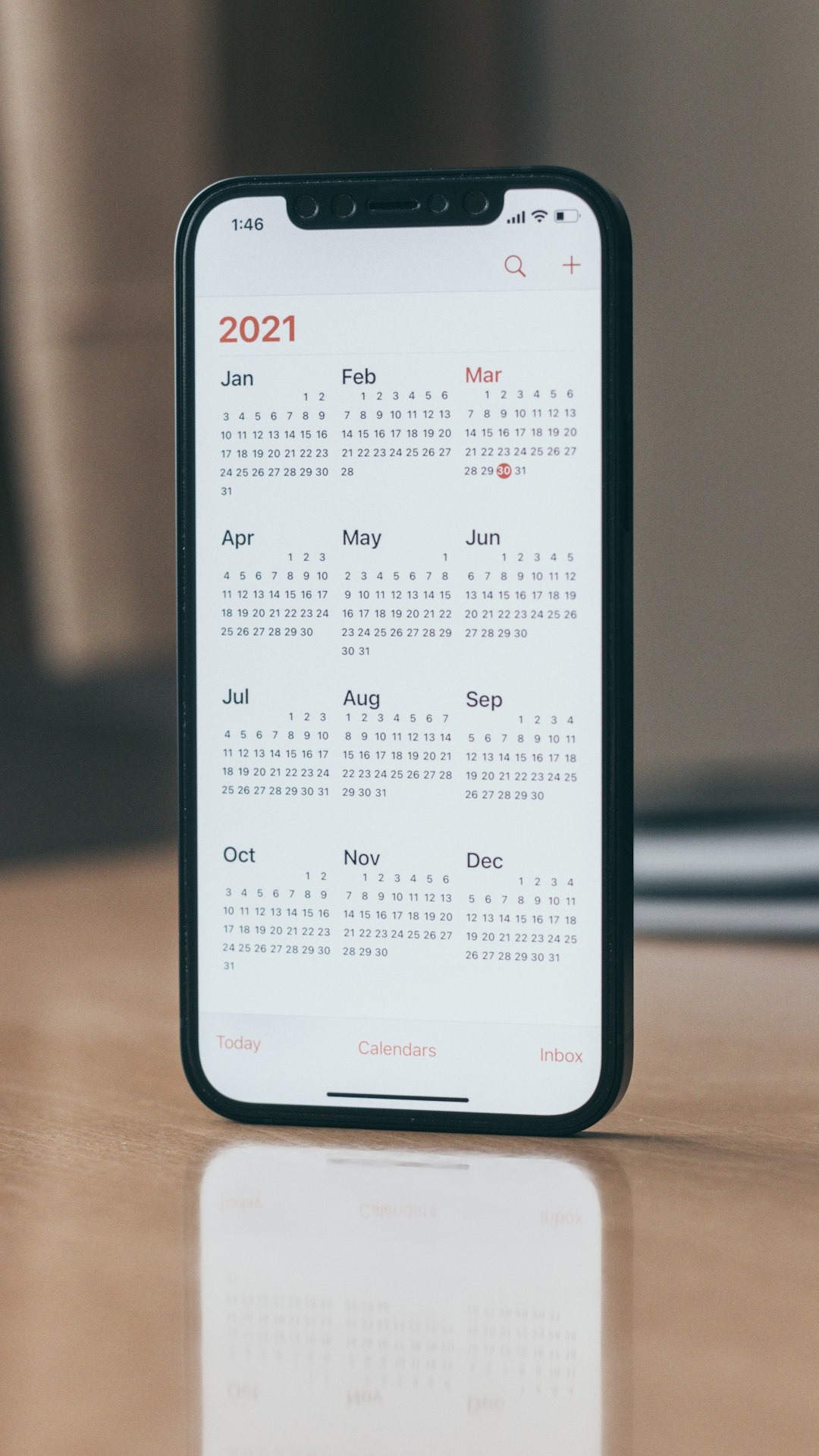
The schedule is the engine of a dental practice. If it is poorly managed, even the most skilled team will struggle with delays, stress, and missed production opportunities. A productive schedule should balance procedure types, provider availability, patient needs, and realistic time blocks.
Start by reviewing your appointment history. Identify procedures that consistently run over time and those that are usually completed faster than expected. For example, if crown preparations regularly take 15 minutes longer than scheduled, adjust the template instead of expecting the dentist and assistants to “catch up” every day.
Consider these scheduling improvements:
- Block high-value procedures during peak clinical energy hours, often in the morning.
- Avoid stacking complex cases without buffer time between them.
- Use short-call lists to fill cancellations quickly.
- Schedule hygiene strategically to support exams without interrupting restorative flow.
A well-designed schedule reduces chaos and allows every team member to work with greater confidence.
2. Standardize Clinical Workflows
Productivity improves when the team does not have to reinvent the process for every patient. Standard operating procedures help reduce confusion, prevent mistakes, and make training easier for new employees.
Create clear workflows for common procedures such as new patient exams, hygiene visits, fillings, crowns, emergency appointments, and implant consultations. Each workflow should define who does what, when it happens, and what materials are needed.
For example, a crown appointment protocol may include room setup, digital scan preparation, anesthesia supplies, consent forms, shade selection, lab communication, and post-op instructions. When everything is standardized, assistants can prepare efficiently and dentists can move smoothly from one step to the next.
The goal is not to make care feel mechanical. Instead, it is to remove unnecessary friction so the team can spend more attention on the patient.
3. Improve Team Communication
Dental offices are fast-moving environments. Miscommunication about room readiness, patient concerns, treatment changes, or insurance questions can quickly slow the entire day. Strong communication systems keep the practice synchronized.
One of the simplest methods is a daily morning huddle. In 10 to 15 minutes, the team can review the schedule, identify bottlenecks, discuss special patient needs, and set production goals. This quick meeting helps everyone start the day with the same expectations.
An effective morning huddle should cover:
- Open appointment times and possible same-day treatment opportunities
- Patients with medical alerts, anxiety, or special accommodations
- Outstanding balances or insurance concerns
- Lab cases that must be checked before seating the patient
- Potential scheduling conflicts or staffing issues
Use communication tools wisely, too. Internal messaging systems, headsets, or visual status boards can reduce hallway interruptions and help the front and clinical teams stay connected.
4. Reduce Room Turnover Time
Room turnover is one of the hidden productivity drains in many dental practices. If treatment rooms are not cleaned, restocked, and prepared efficiently, providers lose valuable clinical minutes throughout the day.
Standardize operatory setup by procedure type. Use labeled tubs, trays, or digital checklists so assistants can quickly confirm that everything is ready before the patient sits down. Supplies should be easy to locate, consistently stocked, and organized in a way that supports the natural sequence of care.
It is also helpful to evaluate sterilization flow. Instruments should move in a clear direction from contaminated to clean, with minimal backtracking or confusion. If team members frequently wait for instruments, search for materials, or leave the room mid-procedure, productivity suffers.
5. Use Technology to Automate Repetitive Tasks
Technology can dramatically improve efficiency when it solves real workflow problems. The key is to automate repetitive administrative tasks and reduce manual effort wherever possible.
Patient reminders, online forms, digital treatment plans, electronic insurance verification, and automated recall messages can save hours each week. Instead of calling every patient manually, the front desk can focus on higher-value tasks such as scheduling unscheduled treatment, improving collections, and enhancing patient relationships.
Digital imaging, intraoral scanners, and chairside documentation tools can also improve clinical speed and accuracy. However, technology only increases productivity when the team is properly trained. If software is underused or confusing, it can become another source of frustration.
Before adding new technology, ask:
- Which specific problem will this solve?
- How much time could it save each week?
- Who will be responsible for managing it?
- What training is needed for full adoption?
The best technology does not replace personal care. It creates more room for it.
6. Increase Case Acceptance Through Better Patient Education
Productivity is not only about doing more procedures. It is also about helping patients understand and accept the treatment they genuinely need. When case acceptance is low, the schedule may look busy, but production may remain flat.
Clear patient education improves trust. Use intraoral photos, digital X-rays, simple explanations, and visual treatment plans to show patients what is happening in their mouths. Avoid overwhelming them with technical language. Instead, explain the problem, the consequence of waiting, and the recommended solution.
For example, instead of saying, “You have recurrent decay under the existing restoration,” say, “There is new decay forming underneath this old filling. If we treat it now, we may be able to protect the tooth before it becomes painful or needs more extensive treatment.”
Financial clarity also matters. Patients are more likely to move forward when they understand insurance estimates, payment options, and appointment timelines. A confident treatment coordinator can make a significant difference in both productivity and patient satisfaction.
7. Track Key Performance Metrics
You cannot improve what you do not measure. Tracking practice metrics helps identify where productivity is strong and where systems need attention. The goal is not to pressure the team with numbers, but to make better decisions based on real information.
Important dental productivity metrics include:
- Production per hour for dentists and hygienists
- Case acceptance rate by provider or procedure type
- Cancellation and no-show rate
- Hygiene reappointment percentage
- Unscheduled treatment value
- Collection percentage
Review these numbers regularly in leadership meetings and monthly team discussions. If cancellations are high, improve confirmation systems and patient communication. If hygiene reappointment is low, adjust checkout protocols. If production per hour varies widely, review scheduling templates and procedure timing.

Bringing It All Together
Improving productivity in a dental office does not require pushing the team harder every day. In fact, that approach often leads to burnout, turnover, and inconsistent patient experiences. Sustainable efficiency comes from better systems, clearer communication, smarter scheduling, and a culture of continuous improvement.
Start with one area that causes the most daily frustration. Maybe it is late starts, room turnover, cancellations, or incomplete treatment presentations. Fix that process, measure the results, and then move to the next improvement. Over time, these small refinements can transform the entire practice.
A highly productive dental office feels organized, calm, and purposeful. Patients notice the difference, team members perform at a higher level, and the practice becomes better positioned for long-term growth. Efficiency is not about rushing dentistry; it is about creating the right conditions for excellent dentistry to happen consistently.