

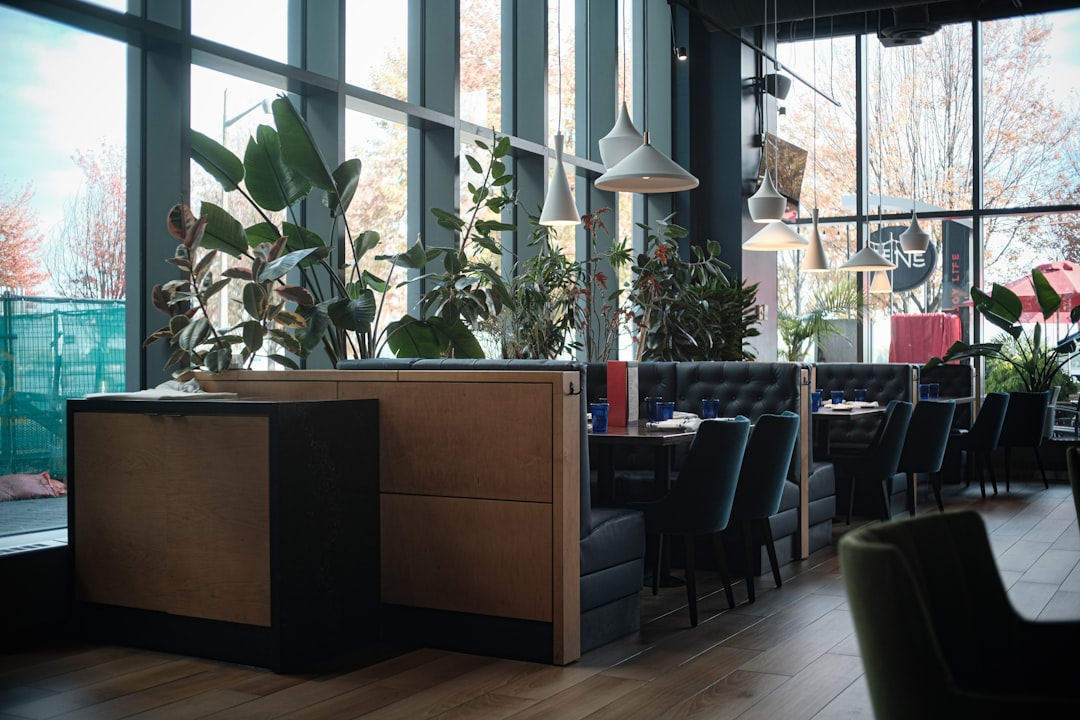
A wellness business website must do more than look calm and attractive. It needs to build trust, explain services clearly, reduce uncertainty, and guide visitors toward taking a meaningful next step, such as booking a consultation, joining a class, or contacting a practitioner. Whether the business offers therapy, yoga, nutrition coaching, massage, holistic health services, meditation training, or corporate wellness programs, the website should communicate professionalism, care, and credibility from the first moment a visitor arrives.
TLDR: A successful wellness website should feel calm, trustworthy, and easy to use while clearly explaining what the business offers and who it helps. Strong design choices, transparent service information, professional imagery, and simple booking paths are essential. The website should also support credibility through credentials, testimonials, privacy practices, and clear communication. Above all, it should make visitors feel safe, informed, and confident about taking the next step.
Start with a Clear Understanding of Your Audience
Before choosing colors, images, or layouts, define who the website is meant to serve. A wellness business may attract people dealing with stress, pain, burnout, lifestyle changes, emotional challenges, fitness goals, or preventive health concerns. These visitors are often looking for reassurance as much as information. They may be comparing providers, feeling uncertain about what they need, or seeking evidence that the business is safe and professional.
Design decisions should be based on audience needs rather than personal preference. For example, a website for a clinical nutrition practice may need a more structured and evidence-based tone, while a meditation studio may benefit from a softer and more spacious design. A massage therapy website may need to emphasize comfort, licensing, hygiene, and appointment availability. Understanding the visitor’s mindset helps shape the entire experience.
- Identify the primary visitor: new clients, returning clients, corporate buyers, patients, students, or referral partners.
- Clarify their concerns: cost, safety, qualifications, privacy, results, location, or convenience.
- Define their desired action: book an appointment, call, fill out a form, subscribe, or learn more.
Create a Calm, Professional Visual Identity
Wellness websites often use soft colors, natural imagery, and spacious layouts, but calm design should never feel vague or unstructured. A trustworthy website balances warmth with clarity. The visual identity should reflect the business’s values while still supporting usability.
Choose a limited color palette that feels grounded and accessible. Soft greens, warm neutrals, muted blues, and gentle earth tones are common in wellness design because they suggest balance and stability. However, avoid making the website too pale or low contrast. Text must remain easy to read, especially for visitors with visual impairments or those browsing on mobile devices.
Typography should also feel professional. Use readable fonts for body text and avoid decorative styles for important information. Headings can have more personality, but they should still be clear. Consistent spacing, aligned sections, and a predictable layout create a sense of order, which is especially important for visitors seeking support or care.

Make the Homepage Direct and Reassuring
The homepage should quickly answer three questions: What do you offer? Who is it for? How can someone take the next step? Many wellness websites make the mistake of opening with broad statements such as “Find your balance” or “Begin your journey.” These phrases may sound pleasant, but they do not provide enough practical information.
A stronger homepage headline might say, “Evidence-informed nutrition coaching for adults managing stress, fatigue, and lifestyle change.” Another example could be, “Licensed massage therapy and recovery support in a quiet, professional studio.” These statements are still welcoming, but they also set expectations.
The main call to action should be visible near the top of the page. Use direct language such as Book a Consultation, Schedule an Appointment, View Services, or Contact the Studio. Avoid using too many competing buttons in the same area. A visitor should not have to decide between five different actions before understanding the business.
Organize Services with Clarity
Service pages are among the most important parts of a wellness website. Visitors want to know what is included, how long sessions last, what the process involves, who the service is appropriate for, and how much it costs. If pricing cannot be listed because it varies, explain why and provide a clear way to request details.
Each service page should include practical information in a structured format. Clear service descriptions reduce confusion and help visitors feel more confident. Avoid exaggerated promises or language that suggests guaranteed outcomes. Wellness businesses should be careful to communicate benefits responsibly, especially when services relate to health, mental well-being, pain, or behavior change.
- Service name: Use plain, recognizable terms.
- Who it helps: Describe the ideal client or common needs.
- What to expect: Explain the session, class, or program format.
- Duration and frequency: Include session length and recommended schedule when appropriate.
- Pricing: Be transparent where possible.
- Booking instructions: Make the next step obvious.
Build Trust with Credentials and Ethical Claims
Trust is central to wellness website design. Visitors may be sharing personal information, discussing sensitive health concerns, or investing in a service that affects their physical or emotional well-being. The site should clearly communicate qualifications, experience, and professional standards.
Include practitioner biographies that are specific and credible. A strong bio should mention relevant education, certifications, licenses, years of experience, professional memberships, and areas of focus. It should also give a sense of the practitioner’s approach without becoming overly personal or informal.
If testimonials are used, they should be honest, specific, and compliant with any rules that apply to the profession or location. Avoid testimonials that make medical claims unless they are permitted and properly contextualized. In many wellness fields, it is safer to use testimonials that speak to professionalism, communication, atmosphere, and client experience rather than guaranteed outcomes.
Important trust elements include:
- Professional licenses, certifications, and training
- Clear privacy and confidentiality statements
- Accurate descriptions of services and limitations
- Transparent cancellation and payment policies
- Secure contact forms and booking systems
- Real business address, service area, or contact details
Use Imagery That Feels Authentic
Images have a strong influence on how visitors perceive a wellness business. Choose photography that feels natural, respectful, and aligned with the actual experience clients will receive. Whenever possible, use real images of the space, practitioners, treatment rooms, class areas, or materials. Authentic photography is usually more trustworthy than generic stock images of people smiling in unrealistic settings.
Images should support the message, not distract from it. A calm treatment room, a clean reception area, a practitioner preparing materials, or a small group class can help visitors imagine what it will feel like to attend. If privacy is a concern, use detail shots such as hands arranging towels, a yoga mat in a quiet room, herbal tea on a table, or natural light in the studio.

Design for Mobile Users First
Many visitors will find a wellness business from a phone, often while searching for nearby services or looking for appointment availability. A website that looks beautiful on a desktop but is difficult to use on mobile will lose potential clients. Mobile design should be treated as a primary requirement, not an afterthought.
Buttons should be large enough to tap comfortably. Phone numbers should be clickable. Booking forms should be short and easy to complete. Important information such as location, hours, pricing, and appointment options should not be buried deep in the site. Avoid large image files or complex animations that slow down loading times.
A good mobile experience is especially important for local wellness businesses. Someone searching for a yoga class, massage appointment, acupuncture clinic, or wellness consultation may be ready to act immediately. If the site loads slowly or requires too much effort, that person may choose another provider.
Make Booking and Contact Simple
The path from interest to action should be clear and low-friction. If online booking is available, place booking buttons in consistent locations throughout the site, especially on the homepage, service pages, and practitioner bio pages. If the business requires an initial call or inquiry form, explain what happens after submission and when the visitor can expect a response.
Contact forms should ask only for necessary information. Long forms can feel intrusive, especially in wellness contexts where visitors may be discussing sensitive issues. If more information is needed later, collect it after the first contact or through a secure intake process.
Every contact page should include basic details: business name, location or service area, email address or form, phone number if applicable, hours, accessibility information, and parking or arrival instructions if clients visit in person. For virtual services, explain the platform used and any preparation required.
Write Content with Care and Precision
The language on a wellness website should be compassionate but not exaggerated. Visitors should feel understood, but they should not feel pressured or manipulated. Avoid fear-based marketing, unrealistic promises, or claims that a service can cure complex conditions unless such claims are legally and clinically appropriate.
Use plain language. Explain specialized terms when they are necessary. For example, instead of only saying “somatic regulation,” explain what a client may experience in a session and why the method is used. Instead of saying “optimize your vitality,” describe concrete areas of support such as sleep habits, stress management, mobility, nutrition planning, or mindfulness practice.
Serious does not mean cold. A trustworthy tone can still be warm. The key is to be respectful, specific, and honest.
Include Educational Content
Articles, guides, frequently asked questions, and resource pages can help establish authority and answer common client concerns. Educational content also supports search visibility when it is written around real questions people ask. For example, a wellness business might publish articles about what to expect during a first massage, how to prepare for a nutrition consultation, beginner meditation practices, or the difference between private yoga and group classes.
Educational content should be reviewed regularly to ensure accuracy. If the business operates in a regulated field, make sure content follows relevant advertising and professional guidelines. Include publication or review dates when appropriate, especially for health-related topics.

Prioritize Accessibility and Inclusivity
A wellness website should be usable by as many people as possible. Accessibility is not only a technical concern; it is also a reflection of the business’s values. Use sufficient color contrast, descriptive link text, keyboard-friendly navigation, alt text for images, and captions or transcripts for video content. Avoid relying only on color to communicate important information.
Inclusivity also matters in imagery and language. The site should not imply that wellness belongs only to one age group, body type, ability level, gender, or cultural background. Use respectful, welcoming language that acknowledges different starting points and needs.
Strengthen Local Search and Practical Visibility
For location-based wellness businesses, local search visibility is essential. Include the city, neighborhood, and service area naturally in the website content. Create a dedicated contact or location page with accurate address information and embedded map details if appropriate. Keep business hours consistent across the website and external listings.
Service pages should also be specific. Instead of a single vague page called “Wellness Services,” create separate pages for key offerings such as massage therapy, private yoga, nutrition coaching, stress management programs, or meditation classes. This helps both visitors and search engines understand the business more clearly.
Measure, Improve, and Maintain the Website
A wellness website should not be treated as a one-time project. Review performance over time. Look at which pages people visit, where they leave, and which calls to action receive engagement. Ask new clients how they found the business and whether the website answered their questions.
Keep all practical details current, including pricing, schedules, practitioner availability, policies, and contact information. Outdated information can quickly damage credibility. Regular maintenance also includes checking forms, fixing broken links, updating security settings, and refreshing content.
Final Thoughts
Designing a website for a wellness business requires a thoughtful balance of atmosphere, clarity, ethics, and usability. The site should feel calm, but it must also be direct. It should be warm, but it must remain professional. It should inspire confidence without making unrealistic promises.
A strong wellness website helps visitors understand the business, evaluate whether it is right for them, and take the next step with confidence. When design, content, accessibility, and trust signals work together, the website becomes more than a digital brochure. It becomes a reliable extension of the care, professionalism, and integrity that the wellness business provides in person or online.