


FasTrak is an electronic toll collection system used across California to make traveling on toll roads, bridges, and express lanes faster and more convenient. While the system simplifies commuting, many drivers are unclear about the real costs involved. Understanding FasTrak fees, prepaid balances, penalties, and optional expenses is essential before signing up.
TLDR: FasTrak itself is typically free to open, but you must maintain a prepaid toll balance. Costs vary depending on how often you use toll roads, bridges, or express lanes, and some agencies charge small account or transponder fees. Occasional users may face license plate tolling charges if they do not maintain an account. Late payments and violations can significantly increase costs.
What Is FasTrak and How Does It Work?
FasTrak uses a small electronic transponder mounted on your windshield to communicate with toll readers as you pass through toll plazas or express lanes. Instead of stopping to pay cash, the toll is automatically deducted from your prepaid account.
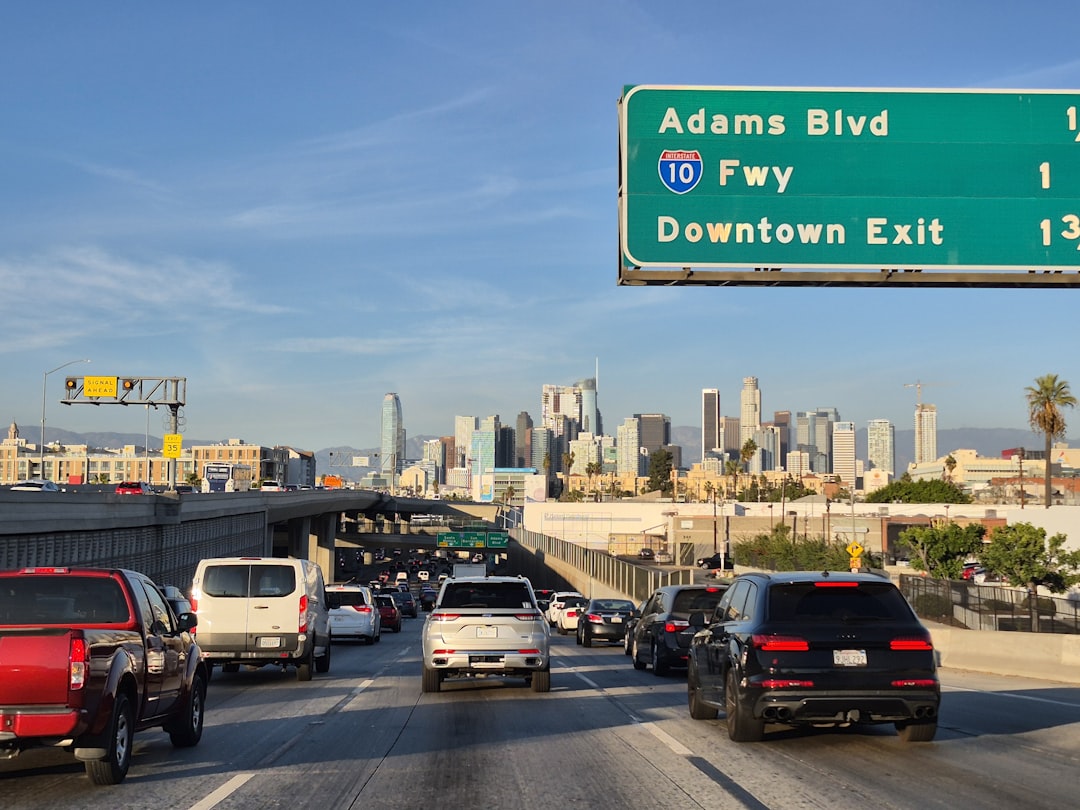
FasTrak is accepted on:
- Bay Area bridges
- Southern California toll roads
- Express lanes throughout California
- High-occupancy toll (HOT) lanes
Because multiple regional agencies operate these roads, specific fee structures may vary slightly. However, the core costs generally fall into the same categories.
Is There a Fee to Open a FasTrak Account?
In most cases, opening a FasTrak account is free. There is typically no application fee. However, you are required to pre-fund your account with an initial balance. This prepaid balance is used to cover future tolls.
The required starting balance depends on:
- Your estimated toll usage
- The number of vehicles on the account
- The toll agency managing your account
For example:
- Low-usage accounts may require an initial balance of $25–$50.
- Higher-usage commuters may need $50–$100 or more.
This is not a fee. It is your money, used to pay for tolls as you drive.
How Much Does the FasTrak Transponder Cost?
In many regions, the standard FasTrak transponder is provided at no cost when you open an account. However, there are some important distinctions:
- Standard transponders: Usually free.
- License plate accounts (no device): No device fee, but may incur higher toll charges in some areas.
- Specialty transponders (switchable for carpools): Typically free but require activation.
Some agencies previously charged deposit fees (around $20), but many have eliminated these requirements. Always verify with your local FasTrak agency.
Monthly Fees and Account Maintenance Charges
One of the most common questions is whether FasTrak charges a monthly fee.
The answer: Usually no, but it depends on the agency.
Most California FasTrak providers do not charge:
- Monthly maintenance fees
- Statement fees (for online statements)
- Activation fees
However, you may encounter:
- Paper statement fees (if you choose mailed statements)
- Low-balance penalties if your account is not replenished on time
- Inactive account fees in rare cases
To avoid surprises, opt for electronic statements and enable automatic replenishment.
How Toll Charges Are Calculated
The largest portion of your FasTrak expense is the toll itself. Toll charges vary depending on several factors:
- Location (bridge, highway, express lane)
- Time of day
- Traffic conditions
- Vehicle occupancy (for carpool lanes)

Bridge Tolls
Bay Area bridge tolls typically range from $6 to $8+ per crossing for standard vehicles, depending on time and location.
Express Lanes
Express lanes use dynamic pricing. Rates fluctuate based on congestion. A short segment may cost under $1 during low traffic but rise to $10 or more during peak congestion.
Toll Roads
Southern California toll roads charge per mile. A full trip can range anywhere from $3 to $15+ depending on distance traveled.
Important: FasTrak users often receive lower rates compared to drivers who pay via license plate billing.
Automatic Replenishment Requirements
FasTrak requires you to maintain a minimum account balance. When your balance falls below a set threshold, your account is automatically reloaded.
Typical replenishment features include:
- Minimum balance threshold (e.g., $10 or $15)
- Automatic reload amount (e.g., $25–$50)
- Credit card or bank account payment
The system may adjust your replenishment amount based on usage. Frequent commuters may see higher recommended reload levels.
What Happens If You Don’t Use FasTrak?
If you drive on a toll road without a FasTrak account, your license plate is photographed and billed by mail. This is known as toll-by-plate billing.
Costs can include:
- The standard toll
- An additional processing fee (commonly $4–$6)
If the toll invoice is not paid on time, penalties increase dramatically.
Violation and Late Payment Penalties
Failing to pay tolls on time can be expensive. Penalties usually include:
- Initial violation penalty: $25 or more
- Second notice penalty: $50+ additional
- Administrative fees
In extreme cases, unpaid violations can:
- Be sent to collections
- Prevent vehicle registration renewal
- Accumulate significant late penalties
Maintaining an active and funded FasTrak account is the best way to avoid these costs.
Special Discounts and Reduced Toll Programs
Some drivers qualify for toll discounts or waiver programs.
Image not found in postmetaCarpool Discounts
Many express lanes provide free or reduced tolls for vehicles with:
- 2+ passengers
- 3+ passengers (depending on location)
You must use a switchable FasTrak transponder and set the occupancy level correctly.
Low-Income Assistance Programs
Select toll agencies offer:
- Waived penalty fees
- Discounted toll plans
- Payment plans for violations
Eligibility usually requires income verification.
Commercial Vehicle Costs
If you operate commercial vehicles, expect higher toll charges based on:
- Axle count
- Vehicle weight
- Road type
Commercial accounts may require:
- Larger prepaid balances
- Separate transponders per vehicle
- Fleet account management tools
These expenses can add up quickly for businesses with heavy road usage.
Comparing FasTrak Costs: Account vs. Toll-By-Plate
| Cost Type | FasTrak Account | Toll-By-Plate |
|---|---|---|
| Account Setup | Free | No account required |
| Prepaid Balance | $25–$100 typical | Not applicable |
| Base Toll Rate | Standard or discounted | Standard |
| Processing Fees | None | $4–$6 per invoice |
| Violation Risk | Low | High if unpaid |
Conclusion from comparison: Frequent drivers typically save money with a FasTrak account, while occasional drivers may pay more overall through invoice processing fees.
Are There Hidden Fees?
FasTrak is generally transparent, but indirect costs can appear if drivers:
- Ignore toll invoices
- Disable automatic replenishment
- Lose transponders and fail to report it
- Allow credit cards on file to expire
Administrative or replacement fees may apply in such cases.
Is FasTrak Worth the Cost?
For regular commuters, FasTrak provides clear financial and convenience benefits:
- No waiting at toll booths
- Lower risk of penalties
- Access to carpool discounts
- Streamlined expense tracking
Even for occasional users, maintaining a low-balance account may reduce processing fees and stress associated with mailed toll invoices.
Final Thoughts
So, how much is FasTrak? The honest answer is that the service itself typically costs little to nothing to maintain. The primary expense is the tolls you incur while driving. Most drivers can open an account without fees, receive a free transponder, and avoid monthly charges.
However, failure to manage your account properly can result in penalties that far exceed the toll amounts. Understanding replenishment requirements, penalty structures, and regional toll variations ensures that FasTrak remains a cost-effective and reliable tool.
For California drivers who frequently use toll bridges, express lanes, or major highways, FasTrak is generally the most economical and practical option available.