

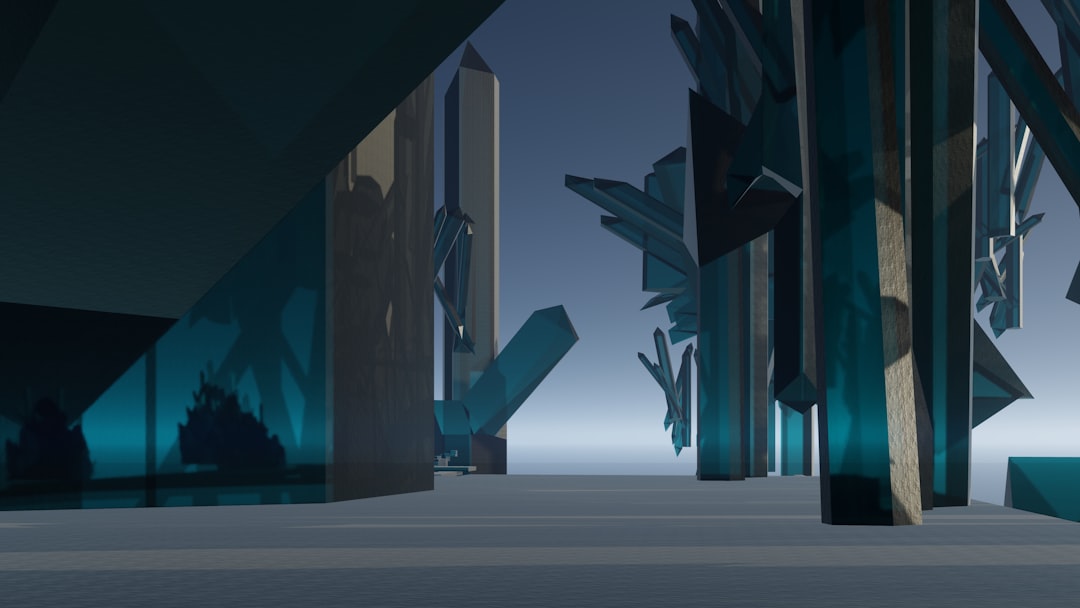
Game art development is the process that turns abstract ideas, mechanics, and stories into visible, memorable worlds. It gives players their first impression of a game before they understand its rules, characters, or objectives. Through concept art, modeling, animation, lighting, user interface design, and visual effects, game artists shape how a game looks, feels, and communicates. In many cases, the visual identity becomes as important as the gameplay itself, helping a title stand apart in a crowded market.
TLDR: Game art development shapes the visual identity of a game by defining its style, atmosphere, characters, environments, and emotional tone. It supports gameplay by making worlds readable, actions clear, and rewards satisfying. From early sketches to final lighting and effects, each artistic decision influences how players interpret and remember the experience. Strong game art does not simply make a game look attractive; it helps make the game understandable, immersive, and distinctive.
The Role of Visual Identity in Games
Every successful game has a recognizable visual identity. This identity may be realistic, stylized, painterly, cartoon-like, dark, futuristic, or abstract. Game art development establishes this identity early and maintains it across every asset, from the smallest collectible item to the largest environment.
A strong visual identity helps players instantly understand the kind of experience being offered. A survival horror game may use narrow corridors, muted colors, harsh shadows, and unsettling creature designs. A platform adventure may rely on rounded shapes, bright palettes, exaggerated animations, and playful environments. These decisions are not accidental. They are carefully developed to match the emotional and mechanical goals of the game.
Consistency is one of the most important principles in game art. If characters, environments, effects, and interface elements appear to come from different visual languages, the game can feel disconnected. Art direction ensures that every visual component belongs to the same world, even when that world contains varied locations, factions, or moods.
Concept Art as the Foundation
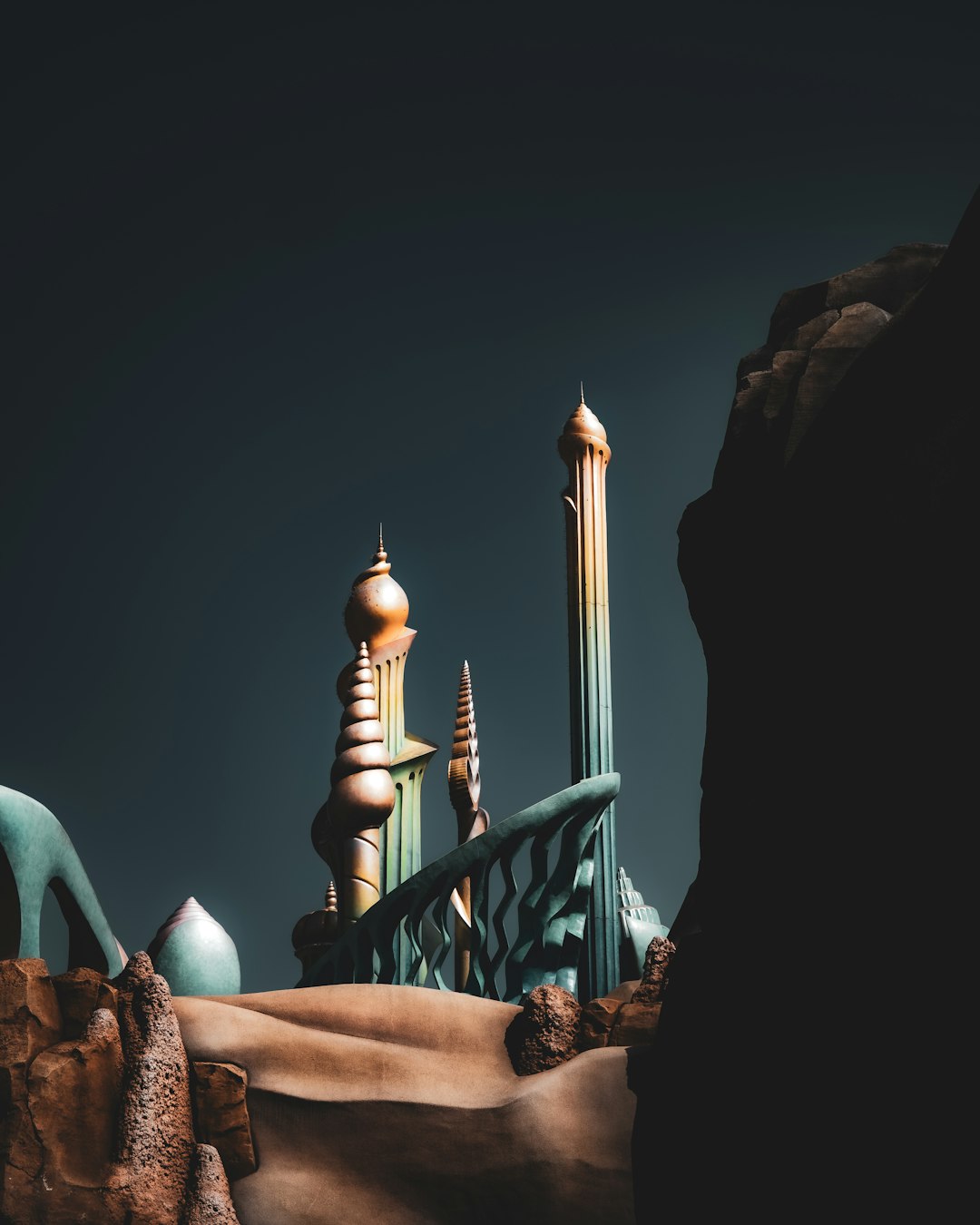
Concept art is often the first major stage of game art development. At this point, artists explore ideas visually before expensive production begins. They create sketches, mood paintings, character silhouettes, color studies, environment thumbnails, prop designs, and creature concepts.
This phase helps the development team answer important questions:
- What does the game world look like?
- What emotions should the visuals create?
- How should characters communicate personality through shape, costume, and posture?
- Which colors, materials, and lighting styles best support the story?
- How can gameplay information be shown clearly through art?
Concept art is not only decorative. It acts as a visual blueprint for modelers, animators, level designers, writers, and programmers. When a concept artist defines a city as towering, crowded, metallic, and polluted, that idea influences architecture, sound design, navigation, enemy placement, and even mission structure. In this way, visual development becomes a guide for the whole production.
Character Design and Player Connection
Characters are among the most powerful visual elements in a game. A character’s silhouette, clothing, facial features, weapons, colors, and movement style all communicate identity before any dialogue is spoken. Game art development shapes how players relate to heroes, villains, companions, and enemies.
A protagonist may be designed with balanced proportions and readable features so players can easily project themselves onto the character. A villain may use sharp shapes, asymmetry, dark materials, or unnatural posture to create tension. Friendly non-player characters might have softer forms, warmer colors, or expressive faces to encourage trust.
Silhouette design is especially important. In fast-paced games, players may only see a character for a brief moment. If the outline is distinctive, the player can quickly identify the character’s role, threat level, or function. This is why many memorable game characters can be recognized even in shadow.
Animation also contributes to character art. The way a warrior swings a sword, a creature crawls, or a robot turns its head can define personality. Stiff movements may suggest machinery or fear, while fluid movements may imply confidence, elegance, or supernatural ability. The visual design is therefore incomplete without motion.
Environment Art and World Building
Environment art turns levels into believable places. It includes terrain, buildings, interiors, vegetation, props, weather, background details, and spatial composition. Well-developed environments do more than fill empty space; they tell stories about the world and guide the player through it.
A ruined castle may suggest a fallen kingdom through cracked statues, overgrown vines, broken banners, and abandoned weapons. A science fiction laboratory may show its history through warning signs, glowing screens, sterile surfaces, and damaged machinery. These visual clues allow players to understand the setting without long explanations.
Environment artists also work closely with level designers. A beautiful space must still support movement, combat, exploration, puzzles, or storytelling. Paths need to be readable. Important objects must stand out. Dangerous areas should be visually clear. In many games, lighting, color contrast, and object placement gently guide players without obvious instructions.
Color, Lighting, and Mood
Color and lighting are essential tools in shaping the visual tone of a game. They influence emotion, readability, pacing, and atmosphere. A warm sunset can create nostalgia or peace, while cold blue lighting may create isolation or mystery. Red can signal danger, urgency, violence, or power, depending on context.
Game art development often uses color scripts to map emotional progression. A game might begin in bright, open landscapes, move into darker industrial zones, and end in surreal, high-contrast spaces. This gradual visual shift supports the narrative arc and helps the player feel the changing stakes.
Lighting also directs attention. A glowing doorway, a beam of sunlight, or a flickering lamp can lead the eye toward an objective. Shadows can hide threats or create suspense. In real-time games, lighting must balance artistic beauty with performance limitations, especially on different platforms.
Art Style and Technical Constraints
Game art is shaped not only by imagination but also by technology. Artists must consider hardware limits, engine capabilities, memory budgets, frame rates, screen size, and platform requirements. A game intended for mobile devices may require simplified models, efficient textures, and clear shapes. A high-end console or PC game may allow more complex geometry, realistic materials, and advanced effects.
However, technical constraints can inspire creativity. Many visually iconic games are not realistic; they use stylization to create strong identities while staying efficient. Low-poly art, hand-painted textures, pixel art, cel shading, and minimalist design can all produce powerful visual experiences when handled with purpose.
The best game art development teams understand that visual quality is not the same as maximum detail. A cluttered scene with too many details can confuse the player. A simpler scene with strong composition, readable shapes, and intentional color can be more effective. The goal is to create visuals that support the experience, not merely to display technical complexity.
User Interface as Visual Communication
The user interface, often called UI, is another important part of game art development. Menus, health bars, maps, inventory screens, icons, dialogue boxes, and prompts all shape the visual experience. They must be attractive, but they must also be functional.
A fantasy role-playing game might use parchment textures, ornamental borders, and engraved icons. A futuristic shooter may use holographic panels, sharp typography, and animated displays. A casual puzzle game might choose colorful buttons, rounded shapes, and friendly icons. In each case, the interface supports the larger art direction.
Good UI design helps players understand information quickly. It avoids unnecessary confusion and keeps attention on the game. Poor UI, even in a visually beautiful game, can make the experience frustrating. This is why UI artists and UX designers often collaborate closely to create interfaces that are both stylish and usable.
Visual Effects and Feedback
Visual effects give games energy and responsiveness. Explosions, magic spells, smoke, fire, sparks, water splashes, damage indicators, impact flashes, and reward animations all help players understand what is happening. These effects are a major part of how the game “feels.”
When a player lands a powerful attack, the art may support the moment with a flash of light, a shockwave, particles, camera shake, and enemy reaction animation. These visual cues make the action feel satisfying. Without them, even a well-designed mechanic may feel weak or unclear.
Effects must also be readable. In competitive games, excessive visual noise can hide important information. In adventure or story-driven games, effects can be more cinematic and atmospheric. The art team must decide how much spectacle is appropriate for the game’s purpose.

How Game Art Supports Gameplay
Game art development is deeply connected to gameplay. It helps players identify goals, threats, rewards, and interactive elements. A climbable wall may use a distinct texture. A dangerous enemy may have a clear color scheme. A valuable item may glow or move slightly. A safe path may be brighter than surrounding areas.
This visual communication is sometimes called readability. If players cannot understand what they are seeing, they may become frustrated. Clear art direction reduces confusion and supports intuitive play. It allows players to make decisions quickly because the visual world communicates useful information.
At the same time, art can create mystery and discovery. Hidden paths, secret symbols, and subtle environmental clues reward careful observation. The balance between clarity and mystery depends on the genre. A puzzle game may require precise visual hints, while a horror game may deliberately obscure information to create fear.
The Pipeline Behind the Visual Result
The final visual appearance of a game is the result of a structured production pipeline. This pipeline may include concept art, asset lists, modeling, sculpting, retopology, texturing, rigging, animation, lighting, implementation, optimization, and quality review.
Each stage affects the final image. A strong concept may lose impact if the model is poorly built. A detailed model may look flat without good materials and lighting. A beautiful environment may perform poorly if it is not optimized. For this reason, game art development requires collaboration between artists, technical artists, designers, engineers, and directors.
Technical artists often serve as a bridge between art and programming. They create shaders, tools, rigs, and workflows that allow artists to achieve a desired look inside the game engine. Their work is crucial because games are interactive, real-time experiences rather than static images.
Why Visual Style Influences Memory
Players often remember games through images: a lonely mountain, a glowing sword, a strange creature, a colorful village, or a dramatic final battlefield. These visual memories become part of the game’s identity. Strong art direction can make a game recognizable years after release.
Visual style also affects marketing, streaming, fan art, merchandise, and community discussion. A game with a distinctive look is easier to recognize in screenshots, trailers, thumbnails, and social media posts. This recognition can contribute to long-term success.
In the end, game art development shapes the visual by transforming function into emotion. It makes mechanics understandable, stories visible, worlds believable, and interactions satisfying. It combines creativity with technical discipline, allowing a game to become more than a set of rules. Through art, a game becomes a place players can see, remember, and feel.
FAQ
What is game art development?
Game art development is the creation of all visual elements used in a game, including characters, environments, props, animation, lighting, effects, and user interface assets.
How does game art affect gameplay?
Game art affects gameplay by making objectives, threats, paths, rewards, and interactions visually clear. It helps players understand what actions are possible and what situations require attention.
Why is concept art important in games?
Concept art establishes the visual direction before full production begins. It helps teams explore ideas, define style, solve design problems, and create a shared artistic vision.
Does realistic art always make a game better?
No. Realism is only one possible style. A stylized, simple, or abstract visual direction can be more effective if it supports the game’s tone, mechanics, and target platform.
What makes a game visually memorable?
A game becomes visually memorable through strong art direction, clear silhouettes, consistent style, emotional environments, distinctive characters, and meaningful use of color and lighting.
How do technical limits influence game art?
Technical limits affect texture size, model complexity, lighting quality, animation detail, and effects. Skilled artists work within these limits to create visuals that look strong while running smoothly.