


Gaming apps compete in a world where attention is brief, choices are endless, and players expect immediate access to entertainment. A user who taps an app icon usually wants to start playing, join friends, collect rewards, or continue progress without delay. For that reason, fast login systems have become a major part of the overall user experience in mobile, console, cloud, and browser-based games.
TLDR: Fast login systems improve gaming apps by reducing waiting time, lowering frustration, and helping players reach gameplay more quickly. They also increase retention because users are less likely to abandon an app when access feels smooth and reliable. When login is secure, simple, and consistent across devices, it strengthens trust and makes the game feel more polished.
Why Login Speed Matters in Gaming
In many digital products, login is just a doorway. In gaming apps, however, it can shape the entire first impression. A slow or confusing login process may cause a player to leave before reaching the tutorial, lobby, match queue, or home screen. Since games rely heavily on repeated engagement, even small delays can reduce session frequency over time.
Modern players often open games during short breaks, while commuting, between tasks, or when friends invite them to a quick match. If it takes too long to authenticate, verify identity, synchronize data, or load account information, the moment may pass. A fast login system respects the player’s time and supports the idea that the game is always ready when the player is.
Speed does not only mean technical performance. It also includes convenience, fewer steps, clear feedback, and a smooth transition from app launch to playable content. A login system that completes in seconds can make a game feel responsive, premium, and user-centered.
Reducing Friction at the First Touchpoint
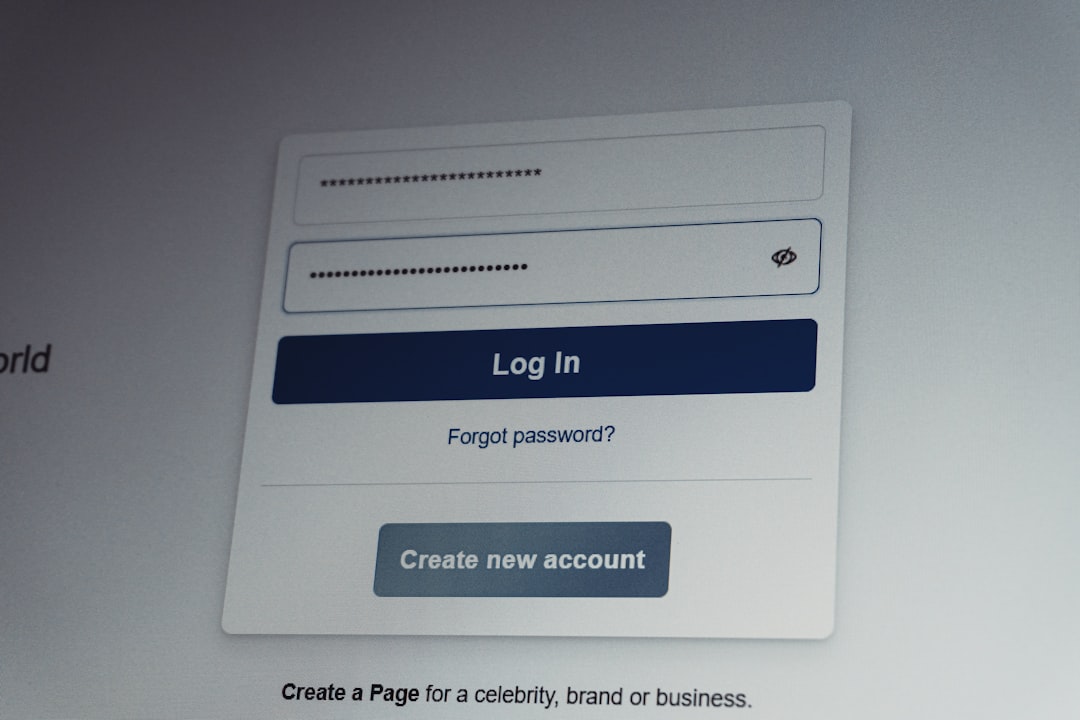
The login screen is often the first interactive point between a player and a gaming app. If this point feels difficult, the app may create friction before the game has a chance to impress. Long forms, repeated password requests, unclear errors, slow verification codes, or multiple redirects can make users impatient.
Fast login systems reduce this friction by using methods such as:
- One tap sign in through trusted platforms or device accounts
- Biometric authentication, such as fingerprint or face recognition
- Session persistence, which keeps returning users logged in safely
- Social login for faster account creation and friend discovery
- Guest access that lets new players try the game immediately
When these options are implemented well, the user does not feel forced through unnecessary barriers. Instead, the game allows progress to begin quickly while still providing account security and recovery options later.
Improving First Time User Experience
For new players, the first session is especially important. A player who is curious about a game may not yet be committed enough to complete a long registration process. If the app asks for too much information too soon, the user may close it and try another game.
A fast login system can support a more natural onboarding flow. For example, a game may allow users to start as guests, complete a short tutorial, and then create or connect an account after they understand the value of saving progress. This approach helps the game earn the player’s trust before requesting personal information.
Good onboarding feels like an invitation rather than an administrative task. Fast login systems help create that feeling by keeping the focus on gameplay, discovery, and fun. When players move quickly from installation to interaction, they are more likely to form a positive emotional connection with the app.
Supporting Player Retention
Retention is one of the most important measures of success for gaming apps. A game may attract many downloads, but if players do not return, long-term growth becomes difficult. Login speed directly affects retention because returning players expect instant access to their progress, rewards, teams, and social connections.
A slow login can become more annoying with repetition. The first delay may be forgiven, but the fifth or tenth delay may turn into a reason to stop playing. By contrast, a fast and reliable login process becomes almost invisible. The player opens the app, enters the world, and continues the experience without interruption.
Fast login systems can also improve retention by supporting daily rewards, limited-time events, ranked matches, and live multiplayer sessions. If a player needs to claim a reward before a timer expires or join a friend’s room before it fills, every second matters. The easier it is to enter the game, the more likely the player is to participate.
Building Trust Through Reliability
Speed is important, but it should never come at the cost of security. Players often connect gaming accounts to payment methods, personal profiles, achievements, inventories, and social networks. A fast login system must therefore balance convenience with protection.
Reliable fast login builds trust by making authentication feel both simple and safe. The system should remember recognized devices, use secure tokens, protect sessions, and provide recovery methods when needed. It should also communicate clearly when something goes wrong, such as an expired session or network issue.
Trust increases when users feel in control. Options like two factor authentication, device management, and account linking can make players confident without slowing down every session. The best systems apply extra checks only when risk is detected, such as a new device, unusual location, or suspicious activity.
Helping Multiplayer Experiences Feel Seamless
Many modern games depend on multiplayer experiences, live events, competitive matchmaking, guilds, clans, and friend invitations. In these situations, login speed affects more than one individual player. It can influence the experience of an entire group.
If a user receives an invite and login takes too long, the match may start without that player. If authentication fails during a tournament or raid, the player may lose rewards or damage team coordination. Fast login helps preserve the flow of social play and reduces the chance of missed opportunities.

In competitive gaming, speed also contributes to fairness. Players expect quick reconnection after crashes, network changes, or device interruptions. A login system that restores access quickly can help players return to a match before penalties occur. This is especially important for mobile games, where interruptions are common due to calls, notifications, weak networks, or app switching.
Enabling Cross Device Play
Players often move between phones, tablets, desktops, consoles, and cloud gaming services. A fast login system supports this behavior by making account access consistent across platforms. When players can sign in quickly on a new device and find their saved progress, purchases, friends, and settings, the game feels more flexible and user-friendly.
Cross device convenience also increases the value of the player’s account. Achievements and purchases feel more meaningful when they are easy to access anywhere. A fast login system strengthens this continuity by reducing the effort required to move from one screen to another.
For developers and publishers, cross device login can also support larger ecosystems. A player who starts on mobile may later continue on a console or desktop version. Smooth authentication makes that transition easier and helps maintain engagement across the entire game universe.
Increasing Conversion and Monetization
Fast login systems can also influence business outcomes. When users can access a game quickly, they are more likely to complete tutorials, reach stores, view battle passes, join events, and make purchases. A complicated login process can prevent players from ever reaching these revenue-generating features.
Payment-related trust is especially important. If a user wants to buy an item but must repeatedly log in or verify identity in a clumsy way, the purchase may be abandoned. A secure and fast account system helps create a smoother path from interest to action.
However, the best gaming apps avoid making login speed feel like a sales tactic. Instead, they use it to improve the player’s overall journey. When players feel respected, they are more likely to invest time, loyalty, and money voluntarily.
Design Principles for Faster Login Systems
To improve user experience, gaming apps should treat login as both a technical system and a design feature. A successful login experience usually follows several principles:
- Keep it simple: The system should ask only for what is necessary at the right moment.
- Offer choices: Users should be able to choose from guest access, email, platform accounts, social login, or biometrics where appropriate.
- Show progress: If loading takes a few seconds, clear feedback should reassure the player that the app is working.
- Handle errors clearly: Error messages should explain the problem and suggest the next step.
- Protect the account: Security should run quietly in the background without burdening normal sessions.
- Support recovery: Players should be able to regain access easily if they change devices or forget credentials.
These principles help login feel like part of the game’s polish rather than a separate obstacle. A well-designed system can make even complex authentication feel effortless.
The Role of Performance Optimization
Behind every fast login experience is strong technical performance. Servers must respond quickly, authentication services must be stable, and user data must synchronize efficiently. If the game depends on remote content, cloud saves, or live inventory data, these systems must work together without creating long delays.
Developers can improve performance through caching, optimized API calls, regional servers, efficient token handling, and careful monitoring. Login should also be tested under real-world conditions, including weak mobile networks, older devices, and high traffic during major updates or events.

Performance issues are especially visible during launch days, seasonal events, and promotional campaigns. A game may attract many users at the same time, and the login infrastructure must be ready. If players cannot enter during the most exciting moments, the experience suffers and public perception may decline.
Making Login Feel Invisible
The ideal fast login system is one that players barely notice. It works quietly, remembers trusted sessions, protects the account, and moves the user into the game with minimal interruption. When login feels invisible, the player’s attention stays on characters, worlds, strategy, rewards, and social interaction.
This does not mean removing all authentication. Rather, it means applying authentication intelligently. A returning player on a trusted device may enter quickly, while a suspicious login attempt may require extra verification. This balance keeps the experience smooth for legitimate users and safer against threats.
In this way, fast login systems become part of the emotional design of a gaming app. They reduce stress, support momentum, and create a sense that the game is always ready. For players, that readiness can be the difference between a game that feels enjoyable and one that feels frustrating.
Conclusion
Fast login systems improve user experience in gaming apps by shortening the distance between intention and play. They help new users start quickly, encourage returning players to stay engaged, support multiplayer timing, and make cross device gaming more convenient. When combined with strong security and reliable infrastructure, fast login becomes a powerful advantage.
In a competitive gaming market, every moment matters. A player who can enter a game quickly is more likely to keep playing, invite friends, join events, and build a lasting relationship with the app. For that reason, fast login is not just a technical feature; it is a key part of modern game design and player satisfaction.
FAQ
Why is fast login important in gaming apps?
Fast login is important because players usually want immediate access to gameplay. A slow or complicated login process can cause frustration, abandonment, and lower retention.
Does fast login reduce security?
Fast login does not have to reduce security. Well-designed systems use secure tokens, trusted devices, biometrics, risk detection, and optional two factor authentication to balance speed with protection.
What is the best login method for gaming apps?
There is no single best method for every game. Many successful apps offer multiple options, including guest login, platform sign in, social login, email login, and biometric access.
How does fast login improve retention?
Fast login improves retention by making it easier for players to return frequently. When users can quickly access rewards, events, friends, and saved progress, they are more likely to continue playing.
Should games allow guest login?
Guest login can be useful because it lets new players try a game without commitment. However, the app should encourage account linking later so progress, purchases, and achievements are not lost.
How can developers make login faster?
Developers can improve login speed by optimizing server response times, reducing unnecessary steps, using persistent sessions, supporting trusted authentication methods, and testing performance under real-world network conditions.