

Modern dentistry is becoming faster, smarter, and much more digital. That is great news for dental teams. It is also great news for patients. One big reason is 3Shape software. It helps dentists, labs, and clinics design teeth, plan treatments, and explain care in a clear way.
TLDR: 3Shape software helps dental teams move from old-school molds to smooth digital workflows. It supports scanning, smile design, crowns, implants, clear aligners, and treatment planning. It can make dental work faster, easier to see, and easier to share. In simple words, it helps turn dental ideas into real treatment plans.
What Is 3Shape Software?
3Shape is a digital dental technology company. Its software is used by dental clinics, labs, orthodontists, implant teams, and other dental professionals. The software works with digital scans, images, and 3D models of the mouth.
Instead of guessing from a flat image, the dental team can look at a detailed digital model. They can turn it. Zoom in. Measure it. Design on it. That makes planning much easier.
Think of it like this. Old dentistry often started with gooey impressions. You know the ones. The tray goes in. The patient waits. Everyone hopes it works the first time.
Digital dentistry is different. With a scanner and 3Shape software, the mouth can become a 3D model on a screen. No slime. Less stress. More control.
Why Dental Design Needs Good Software
Designing dental restorations is not just about making something shiny. A crown, bridge, veneer, denture, or aligner must fit well. It must feel natural. It must look good. It must last.
That is a lot of pressure for one tiny tooth.
Good software helps by giving the dental team smart tools. These tools can show tooth shape, bite contact, gum lines, spacing, and movement. The team can test ideas before making the final result.
This helps reduce surprises. And nobody likes surprises when a tooth is involved.
Digital Impressions Made Easier
One of the most useful parts of the 3Shape system is digital scanning. Many clinics use 3Shape TRIOS intraoral scanners. These scanners capture the inside of the mouth in detail.
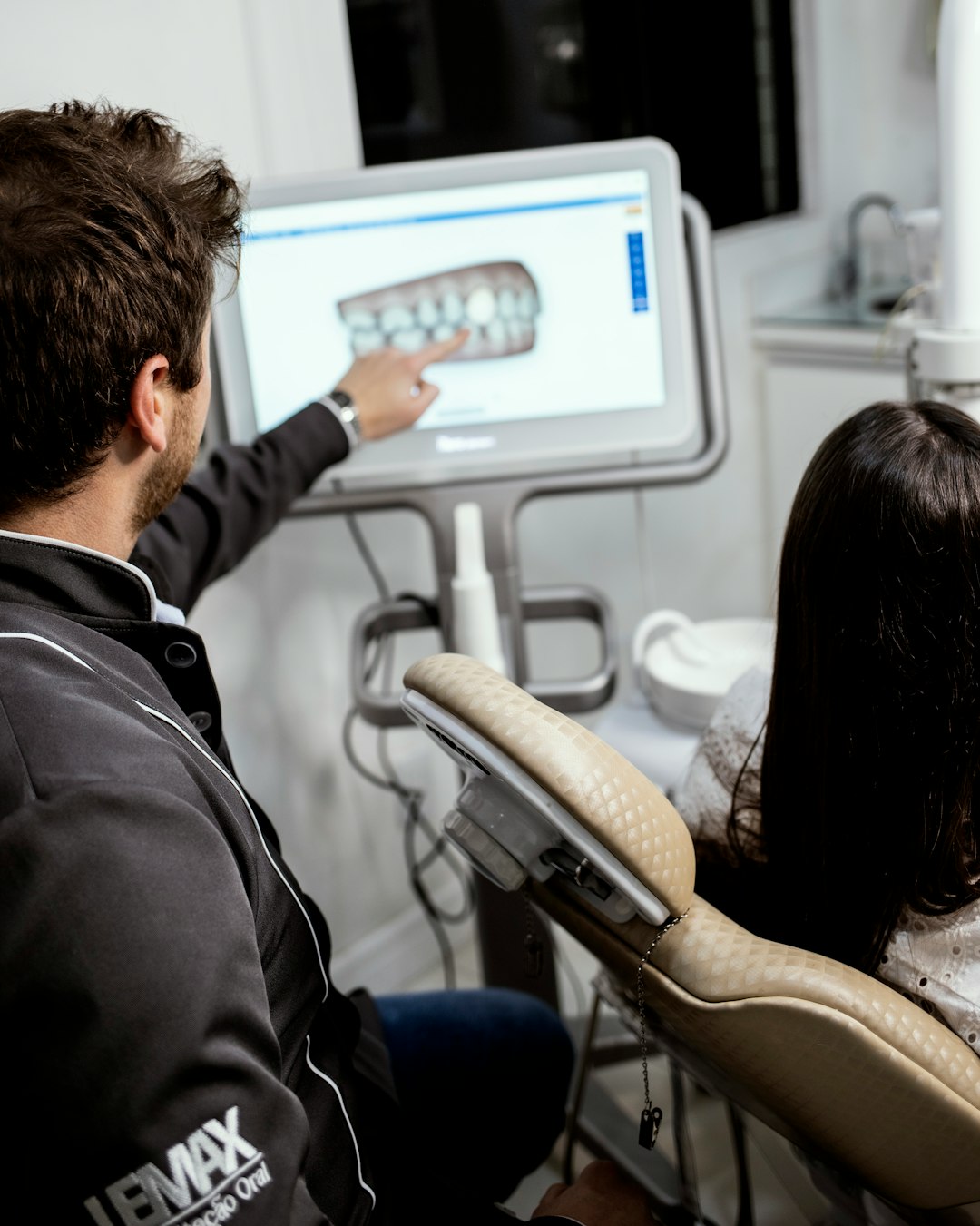
The scan can show teeth, gums, bite, and space. It appears on the screen almost right away. The dentist can check the scan while the patient is still in the chair.
This is helpful because:
- Errors can be spotted early. A missing area can be rescanned.
- Patients can see their own teeth. This makes things easier to understand.
- Files can be sent quickly. Labs can receive digital cases fast.
- There is less mess. No traditional impression material is needed in many cases.
Digital impressions also help with communication. A dentist can show a patient a worn tooth, a crack, or a bite problem. The patient does not have to imagine it. They can see it.
Smile Design That Patients Can Understand
A new smile can be exciting. It can also feel scary. Patients often wonder, “What will I look like?” That is a fair question.
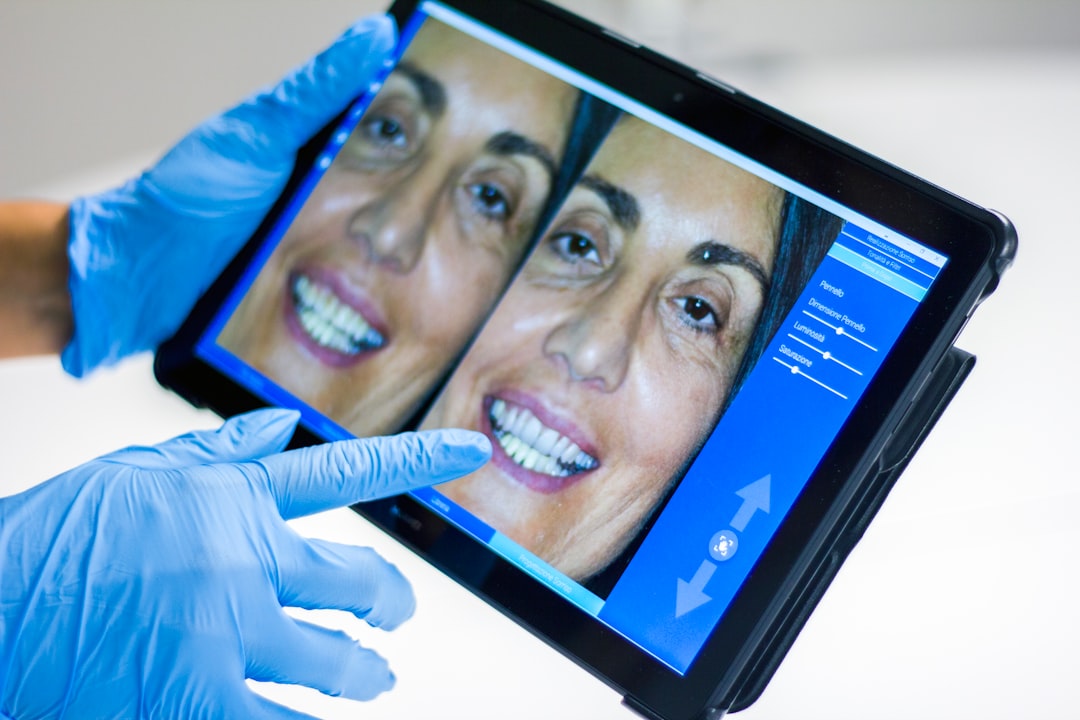
3Shape software can support smile design workflows. The dental team can use scans and photos to plan changes to tooth shape, size, and position. They can create a visual idea of the future smile.
This is powerful because people understand pictures faster than technical words. A dentist can say, “We will improve incisal length and gingival symmetry.” The patient may blink. Or the dentist can show a smile preview. The patient gets it.
Seeing is believing. It also makes treatment feel more personal.
Smile design can help with:
- Veneer planning
- Cosmetic bonding
- Tooth reshaping
- Gum line review
- Patient communication
It is not magic. It is planning. But it can feel a little magical when the patient sees the possible result.
Crowns and Bridges Without the Guesswork
Crowns and bridges are common dental restorations. They need to fit the tooth. They need to match the bite. They need to look like they belong there.
3Shape design tools can help dental labs and clinics design these restorations digitally. The software can suggest tooth shapes and show contact points. It can help design a crown that works with the nearby teeth.
This makes the process more controlled. The lab can work from a clear digital file. The dentist can send notes, shade information, and scans. Everyone is working from the same digital case.
That can mean fewer remakes. It can also mean faster turnaround. And faster is nice, especially when a patient wants their tooth back.
Implant Planning With More Confidence
Implants are amazing. They are also complex. A dental implant must be placed in the right position. It must work with the bone, gums, nearby teeth, and final crown.
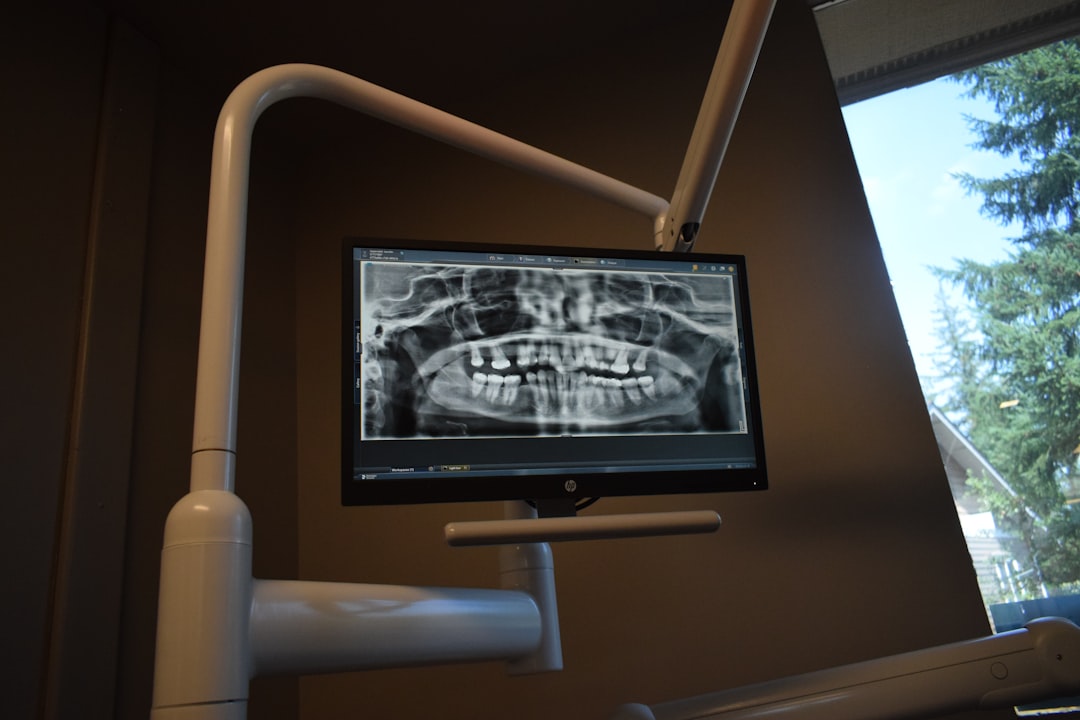
3Shape software can support implant treatment planning by combining digital scans with other imaging data, such as CBCT scans, depending on the workflow. This helps the team plan the final tooth first. Then they can plan the implant position to support that tooth.
This is often called a restoration driven approach. In simple words, the final smile guides the plan.
That matters because an implant is not just a screw. It is part of a full system. The crown, gum shape, bite, and smile all need to work together.
Digital implant planning can help with:
- Choosing the implant position
- Planning the final crown shape
- Designing surgical guides
- Improving communication between the clinic and the lab
- Helping patients understand the steps
It is like planning a house before building the foundation. You need to know where the rooms go before pouring concrete.
Clear Aligner Planning
Clear aligners are popular. They move teeth using a series of clear trays. But the planning must be precise. Teeth do not move just because we ask nicely.
3Shape software can help orthodontic teams plan digital models and treatment setups. The team can review tooth positions, spacing, crowding, and bite changes. They can simulate movement and plan stages.
This kind of planning helps the dentist or orthodontist explain the path from “before” to “after.” Patients can see how teeth may move over time.
That is helpful. It turns a long treatment into smaller steps. Smaller steps feel less scary.
A digital aligner workflow may include:
- Scanning the teeth
- Creating a digital model
- Planning tooth movement
- Reviewing the treatment setup
- Creating aligner stages
Good planning also helps track progress. If something changes, the team can update the plan. Teeth can be stubborn. Software helps keep the plan organized.
Dentures Get a Digital Upgrade
Dentures have been around for a very long time. But digital tools are changing how they are designed. With 3Shape workflows, dental labs can design dentures using digital records and 3D models.
This can help with tooth setup, base design, and fit. It also makes it easier to save the design file. If a denture is lost or damaged, the digital record may help with future work.
That is a big deal. Dentures can be very personal. Losing one is not fun. Having a digital design can make replacement easier in some cases.
Digital denture design can also improve teamwork between the clinic and lab. The dentist can share scans and notes. The lab can design and communicate back. The whole process becomes more connected.
Better Communication With the Dental Lab
A dental lab is a key partner in many treatments. Labs make crowns, bridges, veneers, dentures, implant parts, and more. Communication must be clear.
3Shape software helps by creating digital case files. These files can include scans, design data, images, and instructions. Instead of shipping physical models every time, the team can often send files digitally.
This saves time. It also reduces confusion.
The lab can open the case and see what the dentist sees. The dentist can review designs when needed. Changes can be discussed with more detail.
It is like texting, but for teeth. Very fancy teeth.

Patients Become Part of the Process
One of the best things about digital dentistry is patient education. Many patients do not understand dental terms. That is normal. Dentistry has lots of strange words.
Try saying “occlusal morphology” three times fast. Not easy.
3Shape software can help patients see what is happening. A scan can show a broken filling. A smile design can show a possible new look. An aligner plan can show tooth movement. An implant plan can show why position matters.
When patients understand, they can make better choices. They may feel less nervous. They may ask better questions. They may also trust the plan more because they can see it.
This does not replace the dentist’s advice. It supports it. The software becomes a visual teaching tool.
Speed, Accuracy, and Fewer Headaches
Digital tools do not make dentistry automatic. A skilled dentist and lab technician are still essential. But software can make many steps smoother.
3Shape software supports faster workflows by reducing manual steps. It can help avoid impression retakes. It can help labs start work sooner. It can help teams store cases and revisit them later.
Accuracy is also important. Digital scans and designs can be measured and adjusted with precision. The team can check details before production. This helps reduce errors.
Of course, no tool is perfect. Training matters. Good scanning technique matters. Careful planning matters. But when used well, digital software can make the whole process feel less like a guessing game.
How It Supports Teamwork
Modern dental care is a team sport. The dentist, assistant, hygienist, lab technician, surgeon, orthodontist, and patient may all play a role.
3Shape software helps connect these people. It gives them a shared digital space for information. This can make treatment planning more organized.
For example:
- The clinic scans the patient.
- The dentist reviews the case.
- The lab designs a restoration.
- The dentist checks the design.
- The final piece is made.
- The patient gets the treatment.
Each step can be clearer. Each person can understand their part. Less confusion means better flow.
Why It Matters for Modern Dentistry
Patients today expect care that is clear, comfortable, and efficient. They want to understand their options. They want results that look and feel natural. They want fewer appointments when possible.
3Shape software supports these goals. It helps dental teams plan with better visual information. It helps labs design with more detail. It helps patients see what is going on.
It also supports a more digital future. Dentistry is moving toward connected workflows. Scans, photos, X rays, designs, guides, and restorations can work together. That can make care more precise and more personal.
The best part is simple. Digital tools help people work smarter. Not harder. And when the whole dental team works smarter, patients benefit.
Final Thoughts
3Shape software is not just “computer stuff.” It is a practical tool for modern dental care. It helps turn a mouth into a clear digital model. It helps turn a problem into a plan. It helps turn a plan into a restoration, aligner, implant guide, or new smile.
It supports design. It supports treatment planning. It supports communication. It supports a better patient experience.
And yes, it can make dentistry feel a little more fun. Teeth may be small, but the technology behind them is big. With tools like 3Shape software, dental teams can plan better, explain better, and create better results. That is something worth smiling about.