

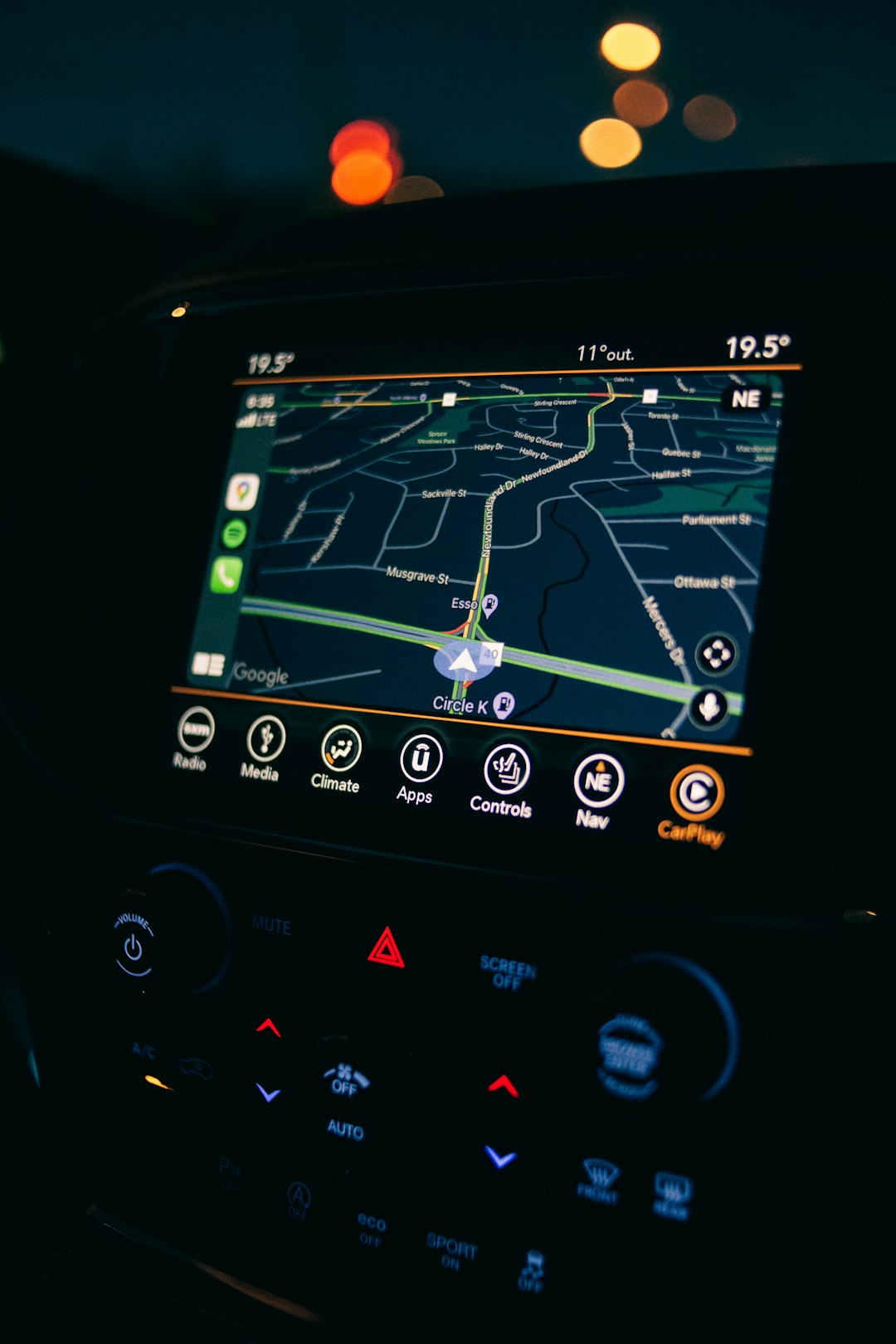
TomTom GO is the safer pick for most European road trips if you care about live traffic, clear lane help, and predictable routing. Sygic is better if you want more app features in one place, including offline maps, speed camera alerts, dashcam tools, and electric vehicle options. For long cross-border drives, the real question is not “Which app has more buttons?” It is “Which app will cost me less time when I miss a turn near Milan or hit roadworks outside Lyon?” EU roaming rules still allow “roam like at home” in member countries, which makes live traffic more practical for many travelers [source: European Commission].
TLDR: Choose TomTom GO for serious road trips across Europe, especially if traffic delays and lane guidance matter. Choose Sygic if you want a broader travel app with offline-first use and extra tools. For example, on a 1,200 km trip from Amsterdam to Lake Como, a 12% delay from traffic can add almost 90 minutes, so live rerouting is not a small feature. If you drive only a few days per year, Sygic may feel better value; if you drive often, TomTom GO feels more dependable.
Quick verdict
TomTom GO feels like a focused driving tool. It is clean, calm, and built around getting you there with fewer surprises. The traffic data is the main reason to use it. When roads clog up near big cities, TomTom tends to react fast and give sensible alternatives.
Sygic feels more like a travel companion. It has many useful extras. Some drivers will love that. Others will find it a bit crowded. Honestly, it feels like Sygic sometimes wants to sell you the whole control room, when all you need is a clean route to the hotel car park.
Where TomTom GO wins
- Live traffic: TomTom has a strong reputation in Europe for traffic data. This matters in Germany, France, Italy, Spain, and the Benelux countries, where delays can change fast.
- Lane guidance: Its junction and motorway lane prompts are clear. That helps when signs come fast and exits split twice in 400 meters.
- Simple interface: Fewer taps. Less clutter. Less guessing.
- Car-first design: The app feels built for drivers, not for people browsing options on the sofa.
The best part is the confidence it gives on busy roads. Near Paris or Brussels, the app usually presents instructions early enough. You are less likely to cut across lanes at the last moment. That matters for safety, not just comfort.
Where Sygic wins
- Offline maps: Sygic is very strong for offline use. This is useful in mountain areas, rural Spain, the Balkans, or places with weak mobile signal.
- Extra features: Depending on the plan, it can include head-up display mode, dashcam, live traffic, fuel prices, and speed camera alerts.
- Trip planning: It can suit drivers who like to prepare routes and stops before leaving.
- Visual style: The maps are attractive and easy to read in daylight.
Sygic is a good pick for travelers who want one app for many road tasks. The catch is that menus can feel busy. Expect to waste time on settings before the first trip. On one phone, changing map and alert settings took around 25 seconds longer than it should have. That sounds minor. It is not minor when the rental car queue is behind you.

Offline maps and data use
Both apps support offline maps, which is vital for Europe. Borders are close. Signal quality changes. Tunnels and mountain passes can break mobile data at the worst point.
Sygic has the edge if your main goal is offline-first driving. It has long marketed itself around stored maps, and it still feels comfortable without a constant data link. TomTom GO also supports offline maps, but its strongest value appears when live services are active.
If you travel inside the EU and your mobile plan includes roaming, TomTom’s live traffic becomes easier to justify. If you will drive in Switzerland, Albania, Serbia, Bosnia, Montenegro, or the UK, check your mobile plan before you go. Data charges can still sting outside your normal roaming zone.
Ease of use while driving
This is where TomTom GO earns trust. The screen is calmer. The next turn is easy to spot. Speed limits and arrival time are clear. It does not overload the driver.
Sygic gives more data, but more data is not always better. Good design cuts stress. The same idea applies to digital menus and websites. Clear structure reduces wrong clicks, just as modern site navigation can reduce user drop-off. In a car, the cost of confusion is higher.
The best driving app keeps the key controls visible. That sounds obvious, yet many apps hide useful settings too deep. It is similar to cooking from a long recipe, where it helps to keep a menu visible instead of scrolling back every minute.
Pricing and value
Prices change often, so check both app stores before buying. In general, TomTom GO is usually sold as a subscription. Sygic often has several paid tiers and add-ons. That can make Sygic look cheaper at first, but the final price depends on the features you need.
For a two-week holiday, value is simple. Pick the app that reduces stress. For regular European driving, TomTom GO’s live traffic may pay for itself if it saves even 20 to 30 minutes on a few trips. For occasional offline travel, Sygic may be enough.

Best app by traveler type
- Family holiday by car: TomTom GO. Better traffic handling means fewer tired arguments near city exits.
- Budget traveler with limited data: Sygic. Download maps before leaving Wi-Fi.
- Business driver: TomTom GO. Arrival time accuracy matters.
- Road trip planner: Sygic. The extra tools can be useful before departure.
- Rental car user: TomTom GO. It is faster to understand in an unfamiliar vehicle.
Final recommendation
Pick TomTom GO if the trip matters and delays matter. It is the more serious driving app for European roads. It keeps the screen clean, handles traffic well, and gives strong lane guidance.
Pick Sygic if you want offline strength and many extras. It is capable and flexible, but it can feel busier than needed. For most long European road trips, TomTom GO is the app I would trust first. Sygic is the one I would keep as a strong backup, especially when mobile signal or roaming costs are a concern.