

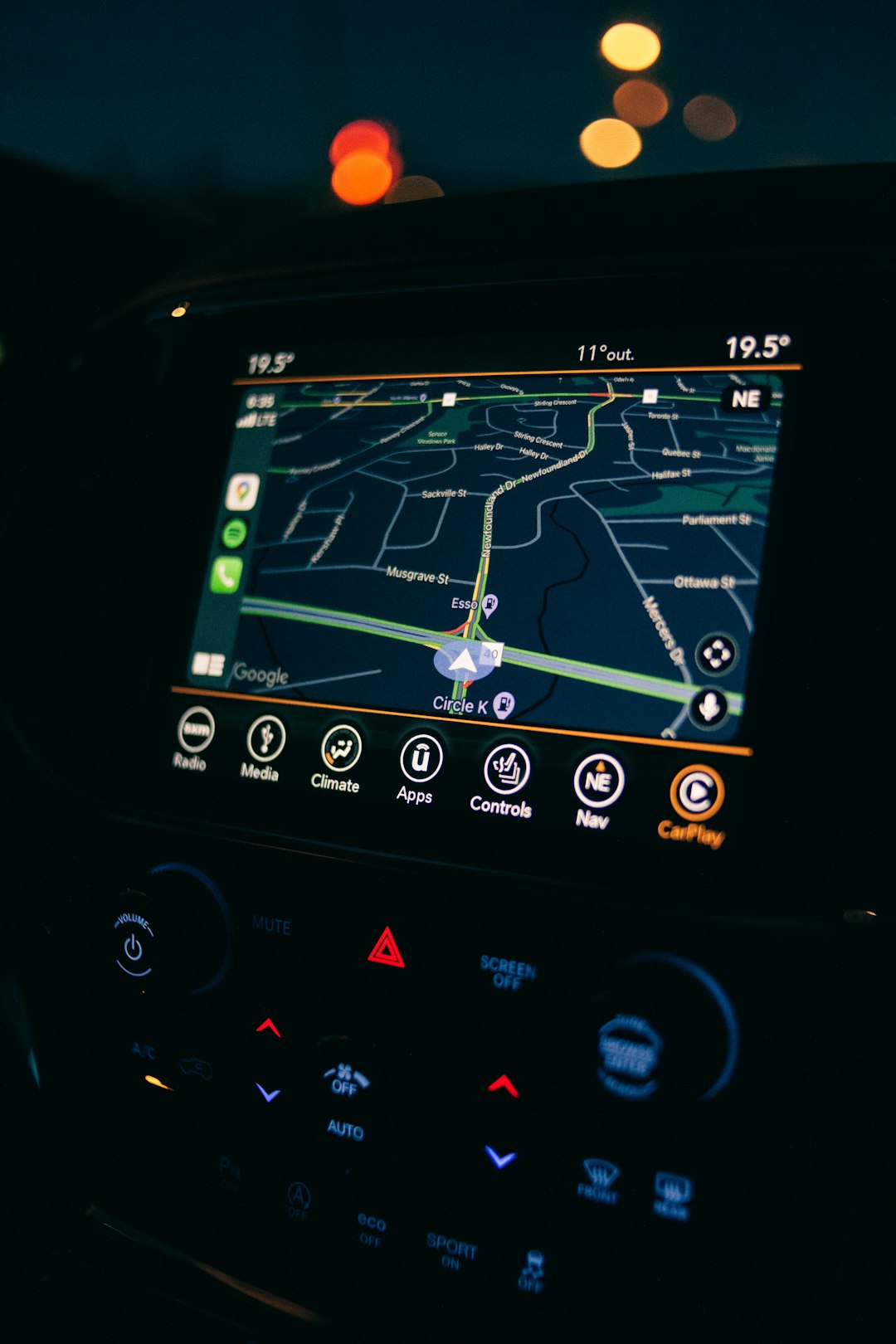
Fleet management platforms have transformed the way organizations monitor, coordinate, and optimize their vehicles. Solutions like Verizon Connect provide businesses with real-time visibility into fleet operations, helping them reduce costs, improve safety, and streamline daily logistics. As industries become increasingly reliant on data-driven decisions, fleet monitoring technology has evolved from a luxury into a competitive necessity.
TL;DR: Fleet management platforms like Verizon Connect allow businesses to track vehicles in real time, improve driver safety, and reduce operating costs. These systems use GPS tracking, telematics, and advanced analytics to provide actionable insights. Companies across industries use them to boost productivity, ensure compliance, and protect assets. Ultimately, they turn vehicle data into smarter operational decisions.
Modern fleet management systems integrate GPS tracking, telematics, cloud computing, and mobile connectivity into a unified dashboard. This technology allows managers to monitor vehicle location, fuel consumption, driver behavior, maintenance schedules, and route efficiency—all from a central platform. Instead of relying on manual reports or delayed communication, decision-makers gain instant access to live data.
Core Features of Fleet Management Platforms
Platforms like Verizon Connect offer a comprehensive suite of tools designed to address multiple operational challenges. Their features go beyond simple vehicle tracking.
- Real-Time GPS Tracking: Provides live location updates for each vehicle.
- Route Optimization: Suggests efficient routes to reduce fuel consumption and travel time.
- Driver Behavior Monitoring: Tracks speeding, harsh braking, rapid acceleration, and idling.
- Fuel Management: Monitors fuel usage and identifies wasteful habits.
- Maintenance Scheduling: Sends alerts for preventive servicing based on mileage or engine diagnostics.
- Compliance Management: Helps meet regulatory requirements such as hours-of-service rules.
- Reporting and Analytics: Generates detailed performance and cost reports.
By consolidating these features into one digital environment, fleet managers can quickly respond to issues that might otherwise escalate into costly problems.

How Telematics Powers Intelligent Monitoring
At the heart of these platforms lies telematics technology. Telematics combines telecommunications and vehicle informatics to collect and transmit data in real time. A small device installed in each vehicle captures information such as engine performance, speed, braking patterns, and fuel consumption. This data is then sent to a centralized cloud-based system.
The result is a continuous stream of actionable insights. For example, if a vehicle’s engine warning light activates, the system can immediately notify the fleet manager. This proactive alert reduces downtime and prevents minor issues from becoming expensive repairs.
Additionally, telematics helps improve driver accountability. By analyzing behavior patterns, companies can identify risky driving habits and provide targeted coaching. Over time, this leads to fewer accidents, reduced insurance premiums, and enhanced road safety.
Benefits for Businesses Across Industries
Fleet management platforms are not limited to one sector. They serve industries ranging from logistics and construction to utilities and healthcare. Any organization operating company vehicles can benefit from these systems.
1. Cost Reduction
Fuel is one of the highest expenses in fleet operations. Route optimization and idle-time monitoring significantly reduce unnecessary fuel consumption. Maintenance alerts also prevent costly breakdowns by encouraging preventive servicing.
2. Increased Productivity
With real-time visibility, dispatchers can assign the nearest available vehicle to a job. This minimizes response times and improves customer satisfaction. Automated reporting also eliminates time-consuming paperwork.
3. Improved Driver Safety
Driver monitoring tools highlight unsafe behaviors, allowing supervisors to implement corrective training programs. Some platforms even offer in-cab alerts to notify drivers immediately when unsafe actions occur.
4. Regulatory Compliance
For industries governed by strict transportation laws, compliance tools simplify documentation. Electronic logging devices (ELDs) help ensure drivers adhere to hours-of-service regulations, reducing legal risks.
5. Asset Security
Vehicle theft can severely impact operations. GPS tracking enables rapid recovery of stolen assets and provides geofencing alerts when vehicles leave designated areas.

Data-Driven Decision Making
The true strength of systems like Verizon Connect lies in their advanced analytics capabilities. Beyond tracking and alerts, these platforms compile historical data into meaningful reports. Over time, patterns emerge that reveal inefficiencies or highlight opportunities for improvement.
For example, a company may discover that certain routes consistently result in delays. By analyzing traffic patterns and delivery times, managers can redesign routes to improve punctuality. Similarly, fuel usage reports may reveal that specific vehicles consume more fuel than others, indicating maintenance needs or driver coaching opportunities.
Customizable dashboards allow managers to prioritize the metrics most relevant to their operations. Whether the focus is cost control, safety performance, or sustainability goals, data visualization tools make complex information easy to interpret.
Integration with Other Business Systems
Modern fleet management platforms are designed to integrate with accounting software, payroll systems, and enterprise resource planning (ERP) tools. This interconnectivity eliminates data silos and ensures consistent information across departments.
For example:
- Driver hours can automatically sync with payroll systems.
- Fuel expenses can integrate into accounting software.
- Maintenance records can update asset management databases.
Such seamless integration enhances operational efficiency and reduces manual data entry errors.
Sustainability and Environmental Impact
As businesses focus more on environmental responsibility, fleet management technology plays a critical role in sustainability initiatives. Fuel-efficient routing and reduced idling directly decrease carbon emissions. Platforms can also track emissions data, helping companies measure progress toward environmental targets.
Some organizations use insights from these systems to transition to electric vehicles (EVs). Data on daily mileage and charging needs allows managers to strategically plan EV adoption without disrupting operations.
Challenges and Considerations
While the advantages are substantial, implementing a fleet management platform requires thoughtful planning. Businesses must consider several factors:
- Initial Investment: Hardware installation and subscription fees may require upfront budgeting.
- Employee Buy-In: Drivers may initially resist monitoring systems due to privacy concerns.
- Data Security: Protecting sensitive operational data is essential.
- Training Needs: Staff must learn to interpret data and use the platform effectively.
Successful adoption often depends on transparent communication. When employees understand that the goal is safety and efficiency—not surveillance—they are more likely to embrace the system.

The Future of Fleet Monitoring Technology
The evolution of fleet management platforms continues at a rapid pace. Artificial intelligence (AI) and machine learning are increasingly being incorporated into analytics tools, enabling predictive insights. Instead of simply reporting past events, systems can anticipate future outcomes.
For example, predictive maintenance algorithms analyze engine diagnostics to forecast when a component might fail. This not only reduces downtime but also extends vehicle lifespan. Similarly, AI-powered route planning can adapt to real-time traffic conditions and weather disruptions.
Autonomous and semi-autonomous vehicle technology is another frontier. As connected vehicle ecosystems expand, fleet platforms will likely integrate with smart infrastructure, enabling even greater coordination and safety enhancements.
Why Businesses Choose Platforms Like Verizon Connect
Organizations select established solutions because of their reliability, scalability, and comprehensive support services. A robust platform can accommodate small fleets with a handful of vehicles and scale up to enterprise-level operations managing thousands of assets.
Key factors influencing selection include:
- User-Friendly Interface
- Customizable Reporting
- Strong Customer Support
- Cloud-Based Accessibility
- Proven Industry Reputation
The ability to access fleet data from desktops, tablets, or smartphones ensures that managers remain connected regardless of location. This flexibility is particularly valuable for companies operating across multiple regions.
Conclusion
Fleet management platforms like Verizon Connect have fundamentally reshaped vehicle monitoring and operational oversight. By combining real-time GPS tracking, telematics data, and sophisticated analytics, these systems provide organizations with unprecedented visibility and control. The result is improved safety, enhanced productivity, reduced costs, and stronger regulatory compliance.
As technology advances and data becomes even more integral to business strategy, fleet management systems will continue to evolve. Companies that embrace these platforms position themselves for greater efficiency, sustainability, and long-term competitiveness in an increasingly connected world.
Frequently Asked Questions (FAQ)
-
1. What is a fleet management platform?
A fleet management platform is a digital system that allows businesses to monitor, track, and optimize their vehicles using GPS tracking, telematics, and data analytics tools. -
2. How does Verizon Connect track vehicles?
It uses GPS devices and telematics hardware installed in vehicles to transmit real-time location and performance data to a centralized cloud-based dashboard. -
3. Can fleet management systems reduce fuel costs?
Yes. By optimizing routes, reducing idle time, and monitoring driving behavior, businesses can significantly lower fuel consumption. -
4. Is driver privacy a concern?
While monitoring may raise concerns, companies typically implement clear policies and focus on safety and operational improvements to maintain transparency and trust. -
5. Are these platforms suitable for small businesses?
Yes. Many platforms offer scalable solutions that can accommodate small fleets while allowing expansion as the business grows. -
6. What industries benefit most from fleet management systems?
Logistics, construction, utilities, field services, healthcare, and delivery-based businesses commonly use these systems to enhance efficiency and oversight.