


In a world where information flows faster than ever, businesses and individuals are increasingly digitizing handwritten notes, forms, and historical records. From healthcare providers processing patient forms to researchers preserving archival manuscripts, handwriting OCR (Optical Character Recognition) tools are becoming indispensable. These intelligent systems transform handwritten text into searchable, editable digital content—bridging the gap between paper and pixels.
TLDR: Handwriting OCR tools convert handwritten content into digital text, making document management faster and more efficient. Modern solutions leverage AI and deep learning to recognize diverse handwriting styles with impressive accuracy. The best tools offer strong language support, cloud integration, and automation features. Choosing the right OCR platform depends on your accuracy needs, workflow, and document complexity.
While traditional OCR has long been associated with scanning printed documents, handwriting recognition represents a more complex challenge. Human handwriting varies widely in style, spacing, slant, and legibility. Today’s advanced handwriting OCR tools use machine learning algorithms and neural networks trained on millions of handwriting samples to deliver reliable results even in difficult scenarios.
Understanding Handwriting OCR Technology
At its core, handwriting OCR analyzes an image of written text and attempts to recognize individual characters and words. Unlike typed fonts, handwriting contains inconsistencies that require contextual interpretation.
Modern handwriting OCR systems typically rely on:
- Deep learning models trained on diverse handwriting datasets
- Natural language processing (NLP) to predict and correct word patterns
- Image preprocessing to enhance clarity and contrast
- Cloud-based processing for scalable recognition

Before recognition begins, the document often undergoes preprocessing steps such as noise reduction, skew correction, and binarization. These enhancements significantly improve recognition accuracy. The processed image is then analyzed character by character—or increasingly, word by word—through neural network layers trained to detect patterns.
Why Handwriting OCR Matters Today
Despite the dominance of digital tools, handwritten documents remain widespread. Schools collect written exams. Hospitals record patient intake forms. Field workers jot down notes on-site. Legal professionals handle signed contracts. Without OCR, businesses must manually re-enter data—a costly and time-consuming process.
Benefits of handwriting OCR include:
- Faster document digitization
- Reduced manual data entry errors
- Improved searchability of archives
- Enhanced collaboration through digital sharing
- Better compliance through secure storage
For enterprises handling thousands of forms daily, even a small improvement in accuracy can result in substantial savings and productivity gains.
Key Features to Look for in Handwriting OCR Tools
Not all OCR solutions are created equal. When evaluating tools for handwriting recognition, consider the following features:
1. Accuracy Across Writing Styles
The best solutions can interpret cursive, block letters, and mixed handwriting styles. Look for tools that specify performance metrics for handwritten text rather than only printed fonts.
2. Multi-Language Support
If your organization processes international documents, language versatility is essential. Advanced tools support dozens—or even hundreds—of languages.
3. Cloud vs. On-Premise Deployment
Cloud-based platforms offer scalability and regular updates. On-premise options may be preferable for industries with strict data privacy requirements.
4. API Integration
Modern document workflows rely on integration. APIs allow OCR engines to connect seamlessly with document management systems, CRMs, and enterprise platforms.
5. Intelligent Data Extraction
Beyond recognizing text, some solutions can extract structured data fields—dates, addresses, invoice numbers—directly into databases.
Top Handwriting OCR Tools for Modern Document Processing
Several industry-leading tools stand out due to their reliability, advanced AI models, and integration capabilities.
1. Google Cloud Vision
Google’s OCR technology leverages powerful AI research to recognize handwritten text with impressive contextual understanding. It supports extensive language libraries and integrates easily with other cloud services.
- Strong AI-driven accuracy
- Scalable cloud infrastructure
- Continuous improvement through machine learning updates
2. Microsoft Azure AI Vision
Microsoft’s OCR capabilities are deeply integrated within the Azure ecosystem. It excels at recognizing cursive writing and structured forms.
- Enterprise-grade security
- API-friendly environment
- Strong analytics and workflow automation support
3. ABBYY FineReader
ABBYY has long been a pioneer in OCR technology. Its handwriting recognition features are especially useful for historical archive digitization and business document processing.
- High accuracy rates
- Advanced document comparison tools
- Robust on-premise options
4. Amazon Textract
Amazon Textract goes beyond basic OCR by automatically detecting form fields and tables. It is particularly useful for processing structured handwritten forms in industries like finance and insurance.
- Automatic key-value pair identification
- Scalable cloud environment
- Strong integration with AWS ecosystem
5. Adobe Acrobat OCR
Adobe Acrobat includes OCR functionality that recognizes both printed and handwritten text. While primarily known for PDFs, its handwriting capabilities continue to improve through AI enhancements.
- User-friendly interface
- Easy PDF editing and exporting
- Reliable document formatting preservation
Challenges in Handwriting Recognition
Despite technological advancements, handwriting OCR still faces significant hurdles. Variability remains the largest challenge. No two individuals write identically, and even the same person’s handwriting can vary daily.
Common challenges include:
- Poor image quality or low lighting
- Overlapping or connected characters
- Unusual spelling or abbreviations
- Mixed printed and cursive text
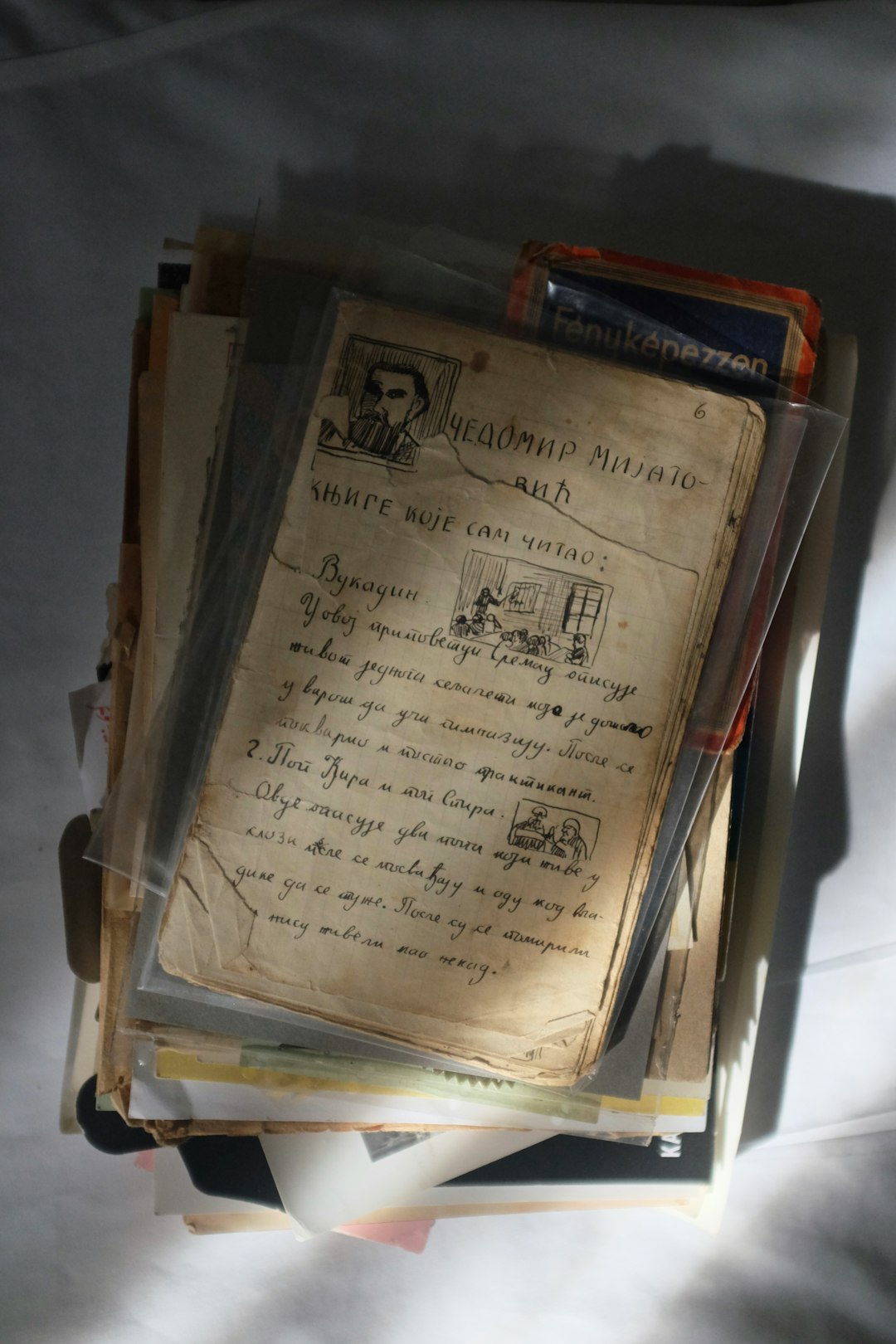
- Documents with stains or aging marks
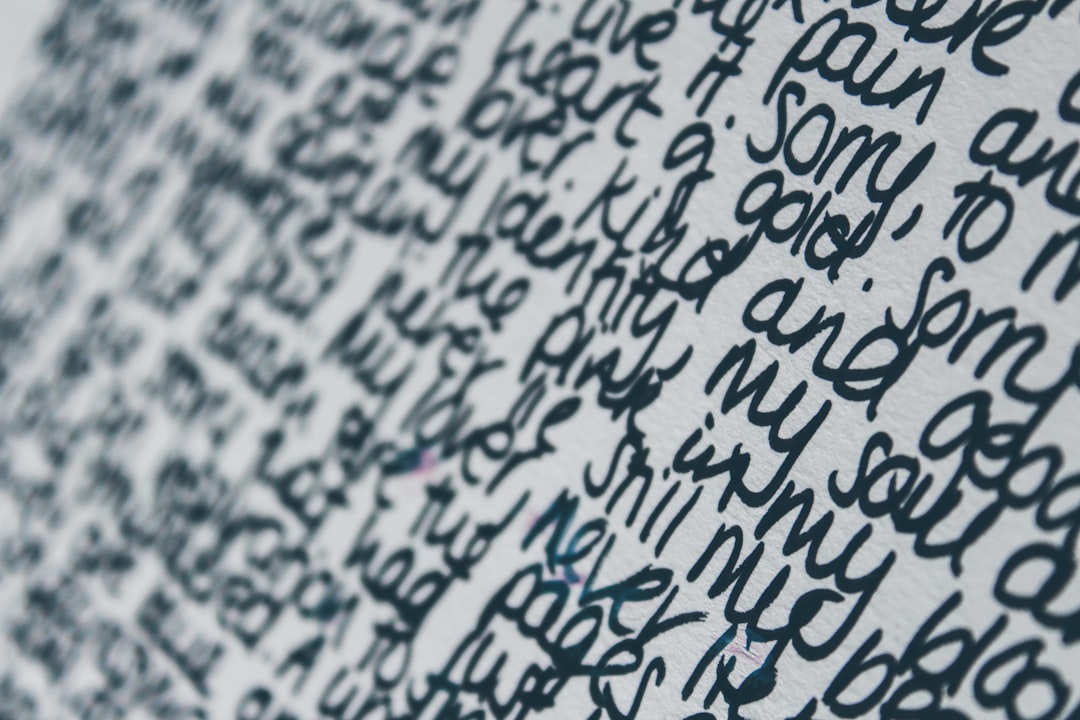
Advances in AI continue to address these issues by incorporating contextual learning. For example, if a word looks ambiguous, the model evaluates surrounding words to predict the most likely interpretation. This approach significantly boosts overall document accuracy.
Industry Applications of Handwriting OCR
The practical use cases for handwriting OCR span multiple industries:
Healthcare
Digitizing patient intake forms, prescriptions, and handwritten notes reduces administrative burdens and improves record accessibility.
Education
Organizations scan written exams and assignments for digital archiving and evaluation.
Legal Sector
Firms convert signed contracts, depositions, and case notes into searchable digital repositories.
Banking and Finance
Processing loan applications, checks, and client forms becomes faster with automated handwriting recognition.
Historical Research
Archivists preserve and analyze ancient manuscripts by converting fragile handwritten documents into digital text.
Best Practices for Maximizing OCR Accuracy
To achieve optimal results from handwriting OCR tools, organizations should follow certain best practices:
- Ensure high-resolution scanning (300 DPI or higher)
- Provide consistent lighting when photographing documents
- Train custom AI models when available
- Regularly review and correct recognition outputs
- Store standardized templates for recurring forms
Some platforms allow custom training on proprietary handwriting samples. This feature dramatically improves recognition accuracy in specialized environments, such as medical offices or research institutions.
The Future of Handwriting OCR
The future of handwriting OCR lies in deeper AI integration. As models become more sophisticated, we can expect:
- Near-human recognition accuracy
- Real-time handwriting-to-text conversion via mobile devices
- Improved recognition for stylized and artistic scripts
- Greater multilingual fluidity
Emerging technologies such as edge computing will allow faster on-device recognition, enhancing privacy and performance. Meanwhile, advancements in generative AI may enable systems to not only transcribe text but also summarize and categorize it automatically.
In conclusion, handwriting OCR has evolved from a niche capability into a critical component of modern document processing. By leveraging AI-driven recognition, businesses can eliminate manual data entry, improve efficiency, and unlock valuable insights hidden within handwritten records. As the technology continues to mature, organizations that adopt sophisticated handwriting OCR tools will gain a competitive advantage in data management and digital transformation.
The shift from paper to digital is no longer optional—it is essential. And handwriting OCR stands at the forefront of that transformation, ensuring that even the most personal form of human expression—handwriting—can seamlessly integrate into our increasingly digital world.