

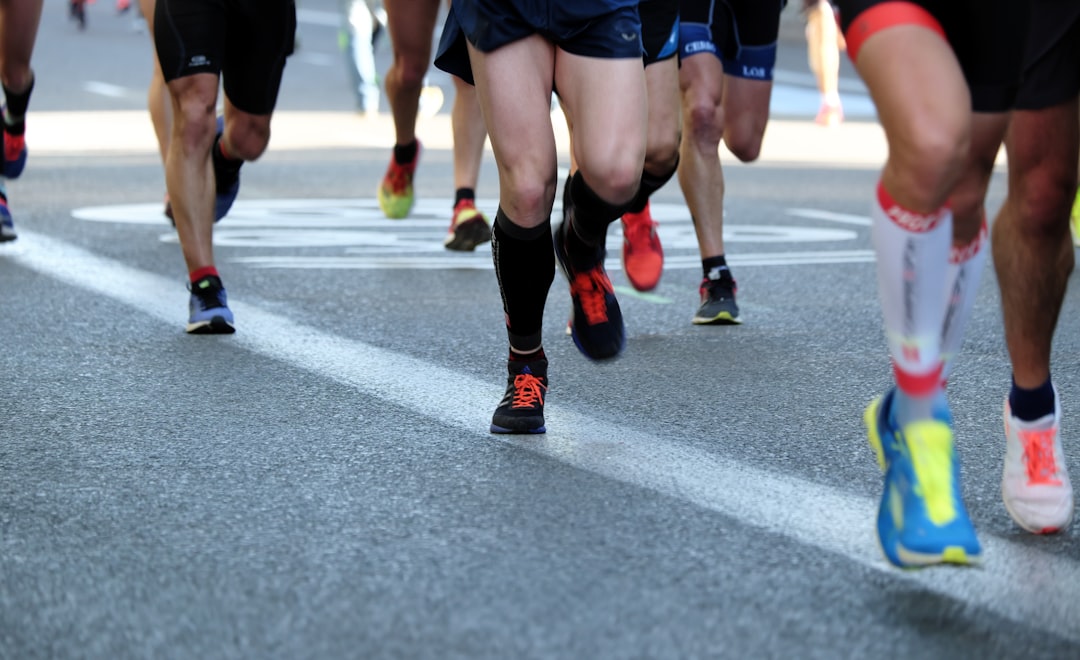
Running brands earn the best media when they stop pitching products and start staging proof. A strong earned media strategy connects real runners, credible partners, useful data, and moments that editors can explain in one sharp headline. Shoes, watches, gels, socks, and apparel all compete for attention. The brands that win coverage usually give journalists a story with tension, numbers, people, and a clear reason to care.
TLDR: Earned media for running brands works best when campaigns create news, not noise. A smart plan might pair a local marathon club with a shoe launch, track 500 runners over eight weeks, and publish data showing a 14% improvement in weekly consistency. For example, a brand could sponsor first-time half marathoners, document their training, and turn the results into local TV segments, podcast interviews, and fitness press features. The goal is simple: make the brand visible through credible third-party attention, not paid claims.
What Earned Media Means for Running Brands
Earned media is coverage a brand does not directly buy. It includes articles, podcasts, race recaps, social mentions from respected runners, community newsletter features, and TV segments. For running brands, this matters because trust is fragile. Runners talk. They compare splits, injuries, foam, fit, weather, chafing, and race regrets in painful detail.
Paid ads can introduce a product. Earned media can make it feel validated. A shoe review from a respected coach, a story about a brand helping rural runners access safe routes, or a study on marathon recovery can travel farther than another glossy product post.
The Core Strategy: Build Stories Around Proof
A running brand needs more than a press release. Editors receive those all day, and honestly, it feels like many are written by people who have never stood in a porta potty line at 5:45 a.m. The campaign needs a real hook.
- Performance proof: data from training blocks, lab tests, or runner trials.
- Human proof: stories from beginners, comeback runners, parents, older athletes, or adaptive runners.
- Community proof: partnerships with clubs, races, coaches, and schools.
- Cultural proof: links to broader themes such as safety, mental health, access, or sustainability.
The strongest campaigns combine at least two. A product claim becomes far more interesting when attached to a human goal. “New racing shoe launched” is weak. “Thirty recreational runners trained for their first sub two hour half marathon in one shoe model, with coach support and public weekly check-ins” is stronger.
Campaign Example 1: The First 5K Project
A footwear or apparel brand can create a “First 5K Project” with local run clubs, physical therapists, and community centers. The brand recruits 100 new runners who have never completed a 5K. Each runner receives a starter kit, a beginner plan, and weekly group sessions.
The media angle is clear. The story is not about the product alone. It is about access, confidence, and measurable behavior change. After ten weeks, the brand can release results: completion rate, average attendance, injury rate, and participant feedback. Local newspapers love community angles. Morning shows like visual segments. Fitness podcasts want relatable guests.
Partnership opportunities: city parks departments, beginner run coaches, podiatrists, charity 5Ks, health insurers, and local employers. If 82 of 100 participants finish the race, the brand has a clean headline and real people ready for interviews.
Campaign Example 2: The Long Run Fuel Test
Nutrition brands can earn strong coverage through a public fueling challenge. The brand partners with marathon training groups and registered dietitians. Runners test different pre-run and mid-run fueling routines across six or eight weeks.
The brand should avoid fake science. That backfires. Instead, it can publish practical findings: how many runners under-fueled, how stomach issues changed, and what habits improved. A headline such as “68% of Recreational Marathoners Started Long Runs Under-Fueled, Local Study Finds” gives editors something useful.
The content can feed several earned channels. A dietitian can appear on podcasts. Coaches can comment for articles. Runners can share honest diary entries. Race expos can host live Q&A sessions. The brand becomes linked with education, not just calories in shiny packets.
Campaign Example 3: Safer Miles Initiative
Apparel, visibility gear, and GPS brands can build campaigns around runner safety. This can include a survey on unsafe routes, poor lighting, harassment, traffic risk, or winter visibility. The brand can map common danger zones and partner with city groups to host safer group runs.
This topic has strong media pull because it affects daily life. It also invites broader coverage outside sports publications. Local government reporters, health writers, transportation writers, and community newsletters may all care.
Partnership opportunities: running stores, women’s running groups, cycling coalitions, public safety offices, reflective gear makers, and mapping apps. A brand that gathers 2,000 survey responses across ten cities can create city rankings, safety tips, and local press angles without forcing a product pitch into every sentence.
Campaign Example 4: The Shoe Retirement Clinic
Specialty running stores often hear the same question: “Are these shoes dead?” A brand can turn that question into an earned media campaign. It can host free shoe assessment clinics before marathon season. Coaches and store staff inspect outsole wear, mileage, fit, and injury complaints.
The data can become a useful media asset. For instance, the clinic may find that 41% of runners are training in shoes past the recommended mileage range. That stat has legs. It can support local TV segments, “how to know when shoes are worn out” articles, and social clips from experts.
It drives media teams crazy that some reporting tools bury source links three clicks deep and take 20 seconds to load a simple mention report. Clean tracking matters here. Every article, radio hit, podcast mention, and newsletter feature should be tagged by campaign, region, and partner.
Partnerships That Create Better Coverage
Earned media improves when partners bring built-in trust. Running brands should not chase only elite athletes. Elites can help, but everyday credibility often comes from people closer to the target customer.
- Run clubs: ideal for trials, launch runs, and local stories.
- Coaches: useful for expert quotes and training plan content.
- Physical therapists: strong for injury prevention campaigns.
- Registered dietitians: credible voices for hydration and fueling.
- Race directors: helpful for access to runners, expos, and finish line stories.
- Nonprofits: strong fit for youth running, mental health, adaptive sports, and access programs.
- Local retailers: trusted community hubs with loyal audiences.
How Running Brands Should Pitch Media
The best pitch is short. It should state the story, the proof, the available voices, and why the timing matters. A journalist should understand the angle in ten seconds.
- Lead with the finding: “New survey finds 57% of winter runners skip reflective gear.”
- Offer real people: include runners, coaches, experts, and local organizers.
- Add visuals: group runs, race footage, product testing, training diaries.
- Keep claims tight: avoid inflated promises and vague wellness language.
- Localize the story: give each market its own stat, contact, or event.
Timing also matters. Marathon training cycles, New Year goals, spring race season, summer heat, back to school, and winter darkness all create hooks. A hydration brand should not wait until August to pitch heat safety. By then, editors have already filled the calendar.
Metrics That Show Earned Media Is Working
Earned media should be measured with discipline. Reach alone is not enough. A viral mention from the wrong audience may have little value. Running brands should track quality and action.
- Share of voice against direct competitors.
- Backlinks from credible fitness, health, and local sites.
- Referral traffic from articles and race partner pages.
- Branded search lift during and after campaigns.
- Retail impact in regions with local coverage.
- Partner growth such as club signups or event attendance.
A realistic campaign might aim for 25 earned placements, 15 quality backlinks, a 20% lift in branded search, and 1,000 event signups across three months. Those numbers beat vague “awareness” goals because the team can judge what actually moved.
Common Mistakes to Avoid
- Making the product the whole story: editors need conflict, data, people, or public value.
- Using only elite runners: many buyers relate more to mid-pack stories.
- Pitching too late: seasonal stories need lead time.
- Overstating results: runners can smell hype fast.
- Ignoring local media: small outlets often drive strong community turnout.
FAQ
What is earned media for a running brand?
It is unpaid coverage from journalists, creators, podcasts, newsletters, race communities, and trusted partners. The brand earns attention by offering a useful or newsworthy story.
Which campaign type works best for new running brands?
Community campaigns usually work best. A beginner runner program, local race partnership, or safety initiative can build trust faster than a broad product announcement.
How much data does a campaign need?
Enough to support a clear claim. Even 100 runners can produce useful insights if the method is simple, honest, and easy to explain.
Are influencers part of earned media?
Sometimes. Unpaid mentions from respected runners can count as earned media. Paid creator posts should be tracked separately.
How long should a running PR campaign run?
Most strong campaigns need eight to twelve weeks. That allows time for partner coordination, runner participation, content capture, pitching, and follow-up coverage.