

Many renters wonder what kind of technology is inside modern rental vehicles, especially as cars become increasingly connected and computerized. One common concern is privacy: Do Enterprise rental cars have microphones? With growing awareness around data collection, GPS tracking, and in-car infotainment systems, it is reasonable for customers to question whether their conversations might be recorded while driving a rental car.
TLDR: Enterprise rental cars do not install hidden microphones to record customer conversations. However, many modern rental vehicles come equipped with built-in microphones as part of factory-installed features like Bluetooth, voice commands, and telematics systems. These microphones are designed to support functionality, not surveillance. Enterprise states that it does not actively listen to or record renters through vehicle microphones.
Understanding Microphones in Modern Vehicles
To answer the question properly, it is important to separate the rental company from the vehicle manufacturer. Enterprise does not typically manufacture the vehicles it rents. Instead, it purchases cars from major automakers such as Ford, Chevrolet, Toyota, Nissan, BMW, and others.
Most new cars today include built-in microphones as part of their standard technology packages. These microphones are used for:
- Bluetooth hands-free calling
- Voice command systems (such as Apple CarPlay, Android Auto, or manufacturer assistants)
- Navigation voice inputs
- Emergency communication systems like OnStar or similar services
This means many Enterprise rental cars likely contain microphones. However, their presence does not automatically mean conversations are being monitored or recorded.
Image not found in postmetaDoes Enterprise Actively Monitor Customers?
There is no public evidence that Enterprise installs hidden listening devices in its vehicles. Rental companies operate under strict privacy laws and consumer protection regulations. Secretly recording customers without consent would create significant legal risk and reputational damage.
Enterprise’s privacy disclosures generally focus on:
- Information customers provide during booking
- Payment details
- Driver’s license and insurance information
- Vehicle telematics data (in some cases)
None of their public policies indicate that in-car audio is recorded or monitored.
In short, the microphones in rental cars exist because modern cars are built that way — not because Enterprise is eavesdropping.
What About Telematics and GPS Tracking?
While microphones are one concern, many renters confuse them with telematics systems. Telematics refers to technology that collects vehicle data remotely. Some rental companies use telematics for:
- Tracking stolen vehicles
- Monitoring vehicle location in specific circumstances
- Monitoring mileage
- Detecting accidents
These systems typically collect vehicle data, not audio recordings. Common data points may include:
- Vehicle speed
- Fuel levels
- Odometer readings
- Crash impact data
Importantly, telematics systems are separate from audio systems in most vehicles.
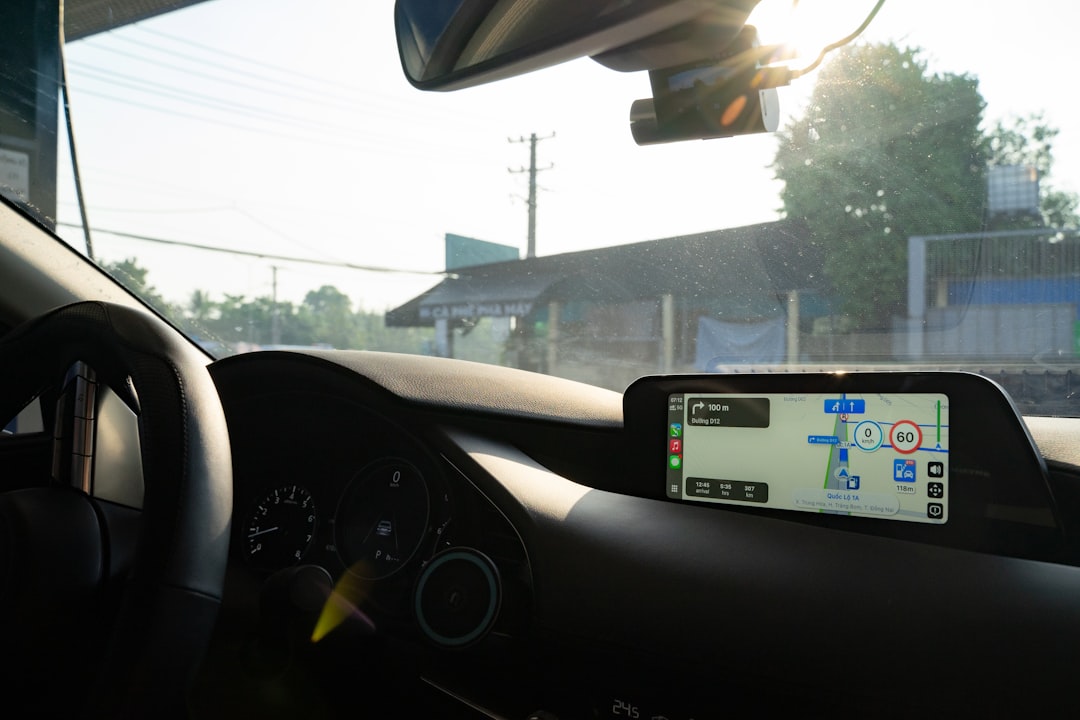
Built-In Emergency Systems and Microphones
Some Enterprise vehicles may include emergency communication systems such as:
- OnStar
- Toyota Safety Connect
- Ford SYNC emergency assistance
- BMW Assist
These systems use built-in microphones to allow drivers to speak with emergency operators. Typically, the microphone activates when:
- The driver presses an emergency button
- The system detects a severe crash
- The driver initiates a support call
Outside of those scenarios, the microphone is not continuously transmitting live audio to the rental company.
Voice Assistants and Privacy Concerns
Many rental cars now support:
- Apple CarPlay
- Android Auto
- Amazon Alexa Auto
- Google Assistant integration
When renters connect their smartphones, they activate voice-enabled features. In these situations:
- The microphone may transmit audio to the renter’s own device.
- Voice commands may be processed by Apple, Google, or Amazon servers.
- Data policies are governed by the technology provider — not Enterprise.
This distinction is important. If voice data is collected, it is typically handled by the smartphone ecosystem being used, not the rental agency.
Are There Hidden Recording Devices?
There is no credible evidence that Enterprise hides secret recording devices in its rental fleet. Such behavior would likely violate:
- Federal wiretapping laws
- State-level consent-to-record laws
- Consumer privacy protection regulations
Many U.S. states operate under two-party consent laws, meaning recording a private conversation without permission from all participants would be illegal. A nationwide rental company engaging in secret recordings would face enormous legal consequences.
How Rental Companies Protect Themselves
Instead of audio surveillance, rental agencies protect their assets through:
- Rental agreements and contracts
- Insurance requirements
- GPS tracking for theft recovery (in certain fleets)
- Vehicle inspections before and after rental
These measures are far more practical and legally defensible than recording private conversations.
Situations Where Audio Could Be Recorded
Although Enterprise does not record conversations, there are limited situations where audio data might exist:
- If the renter activates a manufacturer emergency service.
- If the renter uses their phone’s voice assistant.
- If the vehicle includes a dashcam installed by a previous user (rare and typically removed).
Even in these cases, Enterprise itself would not generally store or access that audio.

What Renters Can Do for Peace of Mind
For those particularly concerned about privacy, there are practical steps that can provide reassurance:
- Review the rental agreement carefully.
- Ask the rental agent whether the vehicle includes telematics.
- Do not connect personal accounts to infotainment systems.
- Log out of Apple CarPlay or Android Auto before returning the vehicle.
- Perform a factory reset of the infotainment system settings if available.
These steps ensure that no personal data remains stored in the vehicle after it is returned.
Enterprise’s Reputation and Business Model
Enterprise is one of the largest rental car agencies in the world. Its business model depends heavily on consumer trust and repeat customers. Engaging in invasive surveillance would undermine that trust and expose the company to lawsuits and regulatory penalties.
From a risk-management perspective, secret audio monitoring would offer minimal benefit compared to the enormous legal exposure it would create.
The Bigger Privacy Picture
While concerns about rental car microphones may be overstated, the broader issue of vehicle data privacy is very real. Modern vehicles are increasingly connected, often collecting:
- Location history
- Driving behavior data
- Infotainment usage information
- Diagnostic reports
However, this data is usually collected by the manufacturer rather than the rental company, and policies vary by brand and jurisdiction.
Consumers concerned about digital privacy should stay informed about automotive technology trends rather than focusing solely on rental companies.
Final Verdict
Enterprise rental cars frequently contain microphones because modern vehicles are designed that way. These microphones serve specific functional purposes such as hands-free calling, voice commands, and emergency communication.
There is no verified evidence that Enterprise records or listens to customer conversations. Recording renters without consent would create significant legal risk and contradict privacy regulations. While vehicle technology continues to evolve, current concerns about Enterprise using microphones for surveillance appear unfounded.
Frequently Asked Questions (FAQ)
1. Do Enterprise rental cars secretly record conversations?
No. There is no credible evidence that Enterprise secretly records customer conversations inside its vehicles.
2. Why do rental cars have microphones at all?
Microphones are built into modern vehicles to support Bluetooth calls, voice commands, navigation inputs, and emergency assistance systems.
3. Can Enterprise listen to me through OnStar or emergency systems?
Emergency systems only activate microphones during specific events, such as when the emergency button is pressed or a crash is detected. These systems are operated by the manufacturer or third-party service providers, not Enterprise directly.
4. Does Enterprise track vehicle location?
Some rental vehicles may include GPS or telematics for theft recovery or fleet management purposes. Policies vary by location and vehicle type.
5. Can previous renters access my voice data?
Generally no, but renters should log out of personal apps and delete paired devices before returning a vehicle to ensure privacy.
6. Should I be worried about privacy in rental cars?
Most privacy concerns relate to connected vehicle data rather than audio recording. Taking basic precautions, such as clearing infotainment settings, can minimize risks.
7. Can I disable the microphone in a rental car?
In most vehicles, the microphone cannot be physically disabled without affecting system functionality. However, avoiding voice commands and disconnecting smartphones limits audio use.
Ultimately, while rental cars may contain microphones as part of modern automotive systems, there is no evidence suggesting Enterprise uses them to spy on customers. Understanding how vehicle technology works can help renters separate legitimate privacy concerns from common myths.