

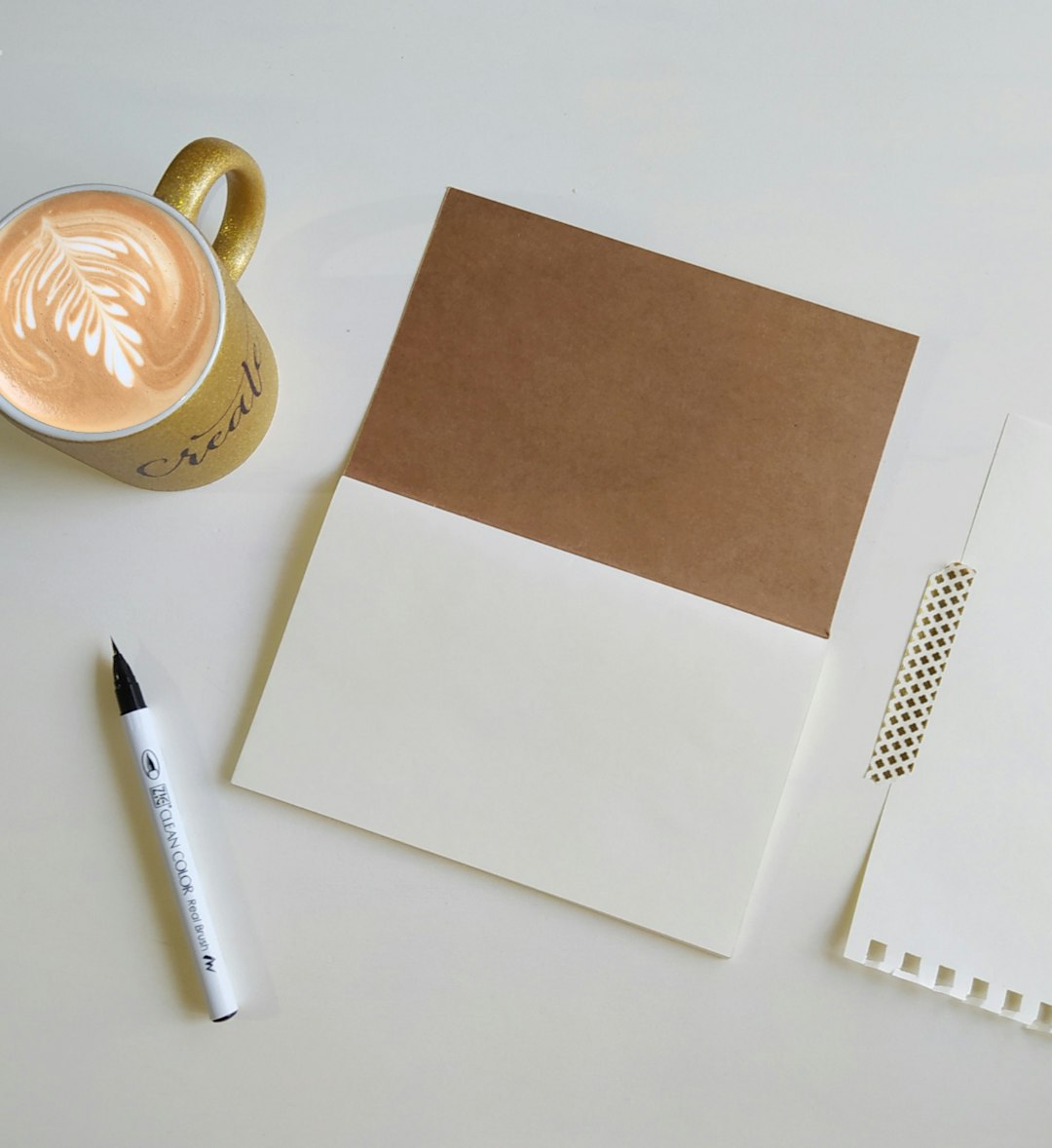
Merchandise can be far more than a giveaway. When thoughtfully designed, it becomes a practical brand asset that keeps your company visible, communicates your values, and creates a tangible connection with customers, employees, and partners. The most effective promotional products are not necessarily the most expensive; they are the items people genuinely want to use, keep, and associate with a positive brand experience.
TLDR: Creative merchandise works best when it is useful, well made, and aligned with your brand identity. Focus on products your audience will actually keep, such as premium everyday items, sustainable goods, office essentials, or experience-based kits. A smaller number of carefully chosen items will usually deliver stronger results than a large quantity of forgettable giveaways.
Start With Strategy, Not Products
Before selecting merchandise, define what the campaign needs to achieve. Are you trying to increase awareness at a trade show, welcome new employees, thank loyal customers, or create a branded retail product line? Each objective calls for a different approach. A conference attendee may appreciate compact, travel-friendly items, while a long-term client may respond better to a premium gift with a personalized touch.
It is also important to understand your audience’s habits. Useful merchandise earns repeated exposure; irrelevant merchandise becomes clutter. Consider your customers’ work environment, lifestyle, values, and purchasing preferences. A technology company might benefit from clean, functional desk accessories, while a fitness brand may achieve better engagement with wellness-related products.
Premium Everyday Essentials
Everyday items remain powerful because they fit naturally into daily routines. However, the key is quality. A cheap pen or thin tote bag may display your logo, but it can also communicate a lack of attention to detail. Instead, consider elevated versions of familiar products.
- Insulated drinkware: Durable bottles, tumblers, and travel mugs are widely used and offer strong visibility.
- High-quality notebooks: Hardbound journals, lay-flat notebooks, or recycled paper planners feel professional and practical.
- Premium pens: A well-weighted pen can be a small but memorable branded item.
- Structured tote bags: Reinforced handles, useful pockets, and durable fabric make a tote more likely to be reused.
These products do not need oversized logos to be effective. In many cases, subtle branding looks more refined and makes the item more appealing to use in public.
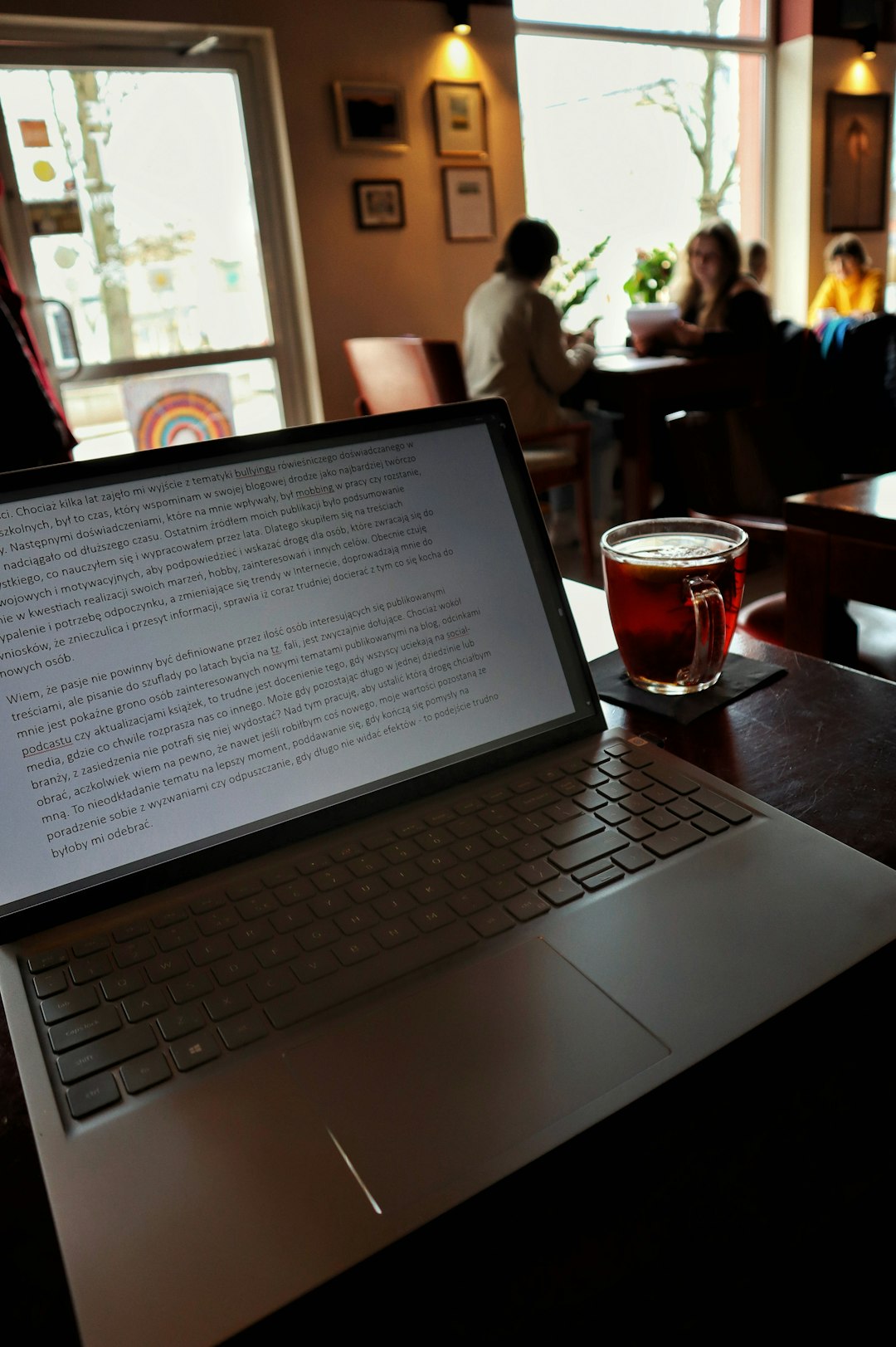
Sustainable Merchandise With Real Value
Sustainability has become an important consideration for many buyers, but it must be approached honestly. Avoid products that appear eco-friendly only in name. Instead, choose merchandise with credible materials, practical longevity, and reduced waste.
Effective sustainable options include reusable produce bags, bamboo desk accessories, recycled cotton apparel, refillable notebooks, seed paper cards, and reusable lunch containers. These items can reinforce a company’s commitment to responsible practices, especially when paired with transparent messaging about material sourcing or product lifespan.
Important: sustainability claims should be specific and accurate. Rather than using vague language such as “green” or “earth friendly,” explain what makes the item responsible, such as made from recycled stainless steel or packaged without single-use plastic.
Tech Accessories People Actually Use
Technology-related merchandise is popular, but it must be chosen carefully. Low-quality chargers, unreliable cables, or outdated gadgets can damage trust. If you choose tech accessories, prioritize safety, compatibility, and durability.
- Wireless charging pads: Useful for desks, reception areas, and home offices.
- Cable organizers: Simple, affordable, and practical for professionals and travelers.
- Laptop camera covers: Small but relevant, especially for remote workers.
- Power banks: Valuable for events, travel, and outdoor activities when sourced from reputable suppliers.
- Screen cleaning kits: Compact, practical, and easy to pair with other merchandise.
Tech merchandise should reflect reliability. Include simple instructions where needed, and make sure products comply with appropriate safety standards.
Apparel That People Want to Wear
Branded apparel can be highly effective, but only if it feels wearable. Many promotional shirts are discarded because the fit, fabric, or design is poor. Rather than treating apparel as a blank billboard, treat it like a product people would choose for themselves.
Consider soft cotton T-shirts, embroidered caps, lightweight jackets, premium hoodies, or performance wear. Use modern colors and restrained branding. A small embroidered logo, a tasteful sleeve mark, or a design inspired by your brand story can feel more authentic than a large front-facing logo.
For employee merchandise, apparel can strengthen internal culture. For customer campaigns, limited-edition designs can create a sense of exclusivity. In both cases, offering size options and inclusive fits demonstrates professionalism and respect for the recipient.

Desk and Workspace Products
As hybrid work becomes common, workspace merchandise remains relevant. Well-designed office items can keep your brand visible in a professional environment without feeling intrusive.
- Desk mats: Provide a polished surface and daily brand exposure.
- Monitor stands: Useful, ergonomic, and suitable for premium gifting.
- Sticky note sets: Practical for meetings and planning.
- Desk plants: Add warmth to a workspace and can symbolize growth.
- Calendar cards: Useful when designed with clean layouts and attractive visuals.
Workspace merchandise works especially well for business-to-business brands, consultants, software companies, educational organizations, and professional service providers.
Experience-Based Merchandise Kits
One of the strongest ways to make merchandise memorable is to package it as an experience. A single item may be useful, but a curated kit can tell a story. This approach works particularly well for product launches, employee onboarding, virtual events, and client appreciation.
Examples include a remote work kit with a mug, notebook, webcam cover, and snack; a wellness kit with herbal tea, a stretching guide, and a reusable water bottle; or a travel kit with a luggage tag, compact charger, and toiletry pouch. The contents should feel connected, not random.
Packaging matters here. A clean box, printed insert, and thoughtful arrangement can make the recipient feel that the gift was intentional. Include a short message explaining the purpose of the kit and how it relates to your brand values.
Local and Artisan Collaborations
Partnering with local makers can create distinctive merchandise while supporting the community. This may include handcrafted candles, small-batch coffee, locally made snacks, ceramic mugs, or custom prints from regional artists. These products often feel more personal than standard promotional goods.
Local collaborations are especially valuable for hospitality brands, real estate companies, community organizations, and businesses with a strong regional identity. They also provide a meaningful story to share with recipients, making the merchandise more memorable.

Personalization and Limited Editions
Personalization can significantly increase perceived value. Adding a recipient’s name, selecting colors for different customer segments, or creating limited-edition merchandise for a milestone can make the item feel special. This approach is particularly useful for high-value clients, internal recognition, and loyalty programs.
Limited editions also encourage urgency and interest. A seasonal design, anniversary collection, or event-exclusive item can become more desirable than generic merchandise. However, scarcity should be genuine. If something is presented as limited, keep it limited.
Measure Performance and Protect Your Brand
Creative merchandise should still be evaluated like any other marketing investment. Track distribution, campaign purpose, recipient feedback, social media mentions, event engagement, repeat orders, or referral activity where possible. Simple surveys can reveal which items people use and which ones they ignore.
Quality control is equally important. Review samples before placing large orders, check logo placement, inspect materials, and confirm delivery timelines. Merchandise represents your organization in physical form. Poor construction, wasteful packaging, or careless design can weaken trust rather than build it.
Final Thoughts
The best merchandise is not about putting a logo on as many objects as possible. It is about choosing items that reflect your brand standards, respect the recipient’s needs, and provide genuine usefulness. When merchandise is practical, attractive, and connected to a clear strategy, it becomes a credible extension of your brand.
Focus on fewer, better products. Choose quality over novelty, relevance over volume, and thoughtful presentation over aggressive branding. That is how promotional merchandise moves from disposable giveaway to lasting brand impression.