

CloudFunnels is best when you want a low-cost, self-hosted funnel builder, while ClickFunnels is better for full sales funnels, and Leadpages is the cleaner choice for fast landing pages. If your goal is simple lead capture, do not overpay for features you will not use. Unbounce has analyzed millions of landing page conversions, which shows how much small page changes can affect results [source: Unbounce].
TLDR: Pick CloudFunnels if you want more control and a lower ongoing cost. Pick ClickFunnels if you sell courses, coaching, webinars, or digital products and need checkout flows. Pick Leadpages if you want to launch a clean opt-in page in under an hour. For example, a small coaching business collecting 300 leads per month may only need Leadpages, but a business selling a $497 course with upsells will likely get more value from ClickFunnels.
CloudFunnels vs ClickFunnels vs Leadpages: the quick difference
CloudFunnels feels like the practical option. It is aimed at users who want landing pages, funnels, memberships, payments, and lead capture without being locked into a large monthly bill. The tradeoff is setup. You may need hosting, domain work, and a little patience.
ClickFunnels is the big sales machine. It is made for funnels that sell. Think opt-in pages, order forms, upsells, downsells, memberships, emails, and affiliate tools. The catch is that it can feel heavy if all you need is one lead magnet page.
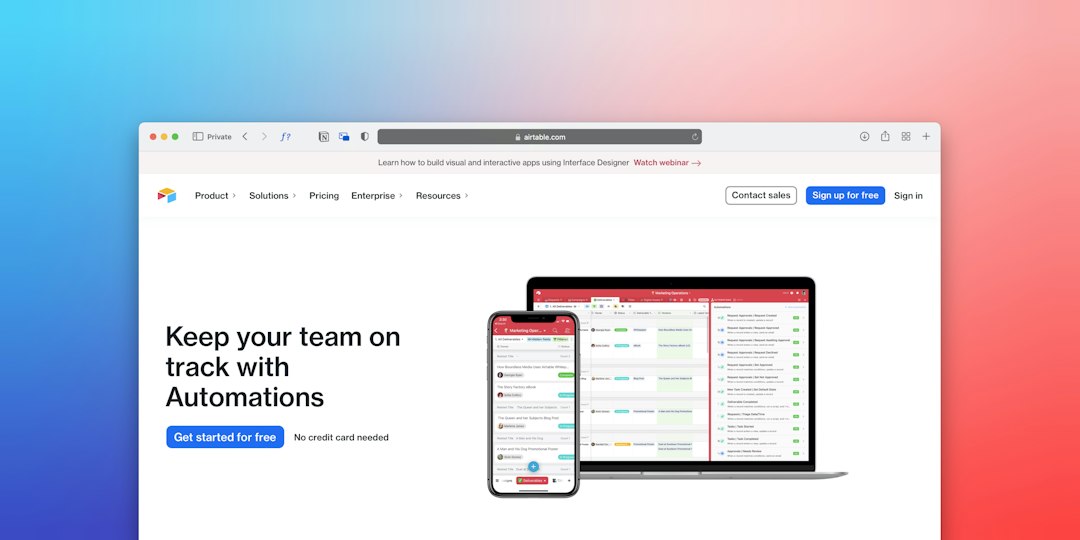
Leadpages is simpler. It is great for landing pages, popups, alert bars, and basic lead capture. It does not try to be everything. That is a good thing for many teams. Honestly, it feels like a relief when you just want to publish a page and not wrestle with a giant funnel map.
6 funnel builders worth comparing
- CloudFunnels: Best for budget-minded users who want control.
- ClickFunnels: Best for selling products through multi-step funnels.
- Leadpages: Best for quick landing pages and lead forms.
- Systeme.io: Best for beginners who want funnels, email, and courses in one place.
- GetResponse: Best for email-first marketing with landing pages included.
- Kartra: Best for all-in-one campaigns, memberships, and automation.
1. CloudFunnels: control without the bloated monthly bill
CloudFunnels is appealing because it gives you core funnel features without forcing you into a huge software stack. You can create landing pages, collect leads, build checkout pages, run memberships, and connect payment tools.
It suits marketers who are not scared of a little setup. If you like owning more of your system, it makes sense. If you hate technical steps, expect to waste time on server settings, integrations, or small styling fixes.
Best for: agencies, solo marketers, local businesses, and users who want lower long-term costs.
2. ClickFunnels: built for sales funnels
ClickFunnels is the most recognizable name here for a reason. It gives you the full funnel flow: opt-in, sales page, checkout, upsell, thank-you page, email follow-up, and analytics. That makes it strong for offers that need more than one page.
It is not the cheapest choice. It can also feel like too much if your only goal is to collect email addresses. Still, for selling a course, booking sales calls, or running a webinar funnel, it is hard to ignore.
Best for: course creators, consultants, coaches, webinar sellers, and online stores with upsells.
3. Leadpages: fast pages, fewer headaches
Leadpages is often the easiest tool to recommend to a small team. The editor is friendly. The templates are clean. You can add forms, popups, and alert bars without needing a full funnel system.
The weak spot is depth. Leadpages is not as strong as ClickFunnels for complex sales flows. It also does not give you the same “run the whole business here” feeling that Kartra or Systeme.io can offer.
Best for: lead magnets, newsletter signups, event pages, waitlists, and simple campaigns.
4. Systeme.io: friendly for beginners
Systeme.io has become popular because it bundles a lot into one tool. You get funnels, email marketing, automation, online courses, and basic payments. For a new creator, that can be enough.
It is not the most polished builder in every area. Some templates look plain. But for the price, it is hard to complain. It is a smart starting point if you want to test an idea before paying for larger tools.
Best for: beginners, creators, small digital product sellers, and email list building.
5. GetResponse: email marketing with landing pages
GetResponse is strongest when email is the center of your marketing. It includes landing pages, forms, automation, webinars on some plans, and email sequences. If you care more about nurturing leads than building fancy funnel pages, it fits well.
The landing page builder is useful, but not always as smooth as Leadpages. Still, the email tools make up for it. This is a good pick when follow-up matters more than design tricks.
Best for: email campaigns, newsletters, webinars, and nurture sequences.
6. Kartra: all-in-one, but not light
Kartra is powerful. It covers pages, funnels, checkout, memberships, helpdesk features, calendars, forms, and automation. That makes it attractive for businesses that want one central platform.
The downside is simple: there is a lot to learn. It drives me crazy that some all-in-one tools make basic edits feel slower than they should. Kartra is useful, but it is not the fastest pick for a single landing page.
Best for: membership businesses, service providers, digital product sellers, and teams that want many tools under one roof.
Which one should you choose?
- Choose CloudFunnels if you want control and lower recurring costs.
- Choose ClickFunnels if your funnel needs checkouts, upsells, and sales automation.
- Choose Leadpages if you need attractive landing pages fast.
- Choose Systeme.io if you are starting from scratch and want a simple bundle.
- Choose GetResponse if email marketing is your main channel.
- Choose Kartra if you want an all-in-one business platform.
The best funnel builder is the one that matches the job. For a free PDF download, Leadpages or Systeme.io may be enough. For a $997 coaching funnel with a webinar, checkout, upsell, and follow-up emails, ClickFunnels or Kartra makes more sense. For users who want ownership and lower costs, CloudFunnels deserves a serious look.