

The performance of a website or digital application is no longer a luxury—it is a fundamental requirement for credibility, customer satisfaction, and revenue growth. As user expectations for near-instant loading times continue to rise, businesses are turning to Content Delivery Network (CDN) optimization tools like Fastly to ensure their content reaches global audiences with speed, reliability, and security. CDN optimization is not simply about caching static files; it is about intelligently managing content delivery at scale while adapting to evolving user behavior and network conditions.
TLDR: CDN optimization tools like Fastly accelerate content delivery by caching assets closer to users and dynamically optimizing how data is routed and served. They reduce latency, improve uptime, and enhance security through edge computing and real-time configuration. These platforms provide granular control and visibility, making them essential for high-traffic, global websites. Implementing a modern CDN strategy directly improves both user experience and operational efficiency.
The Role of CDNs in Modern Content Delivery
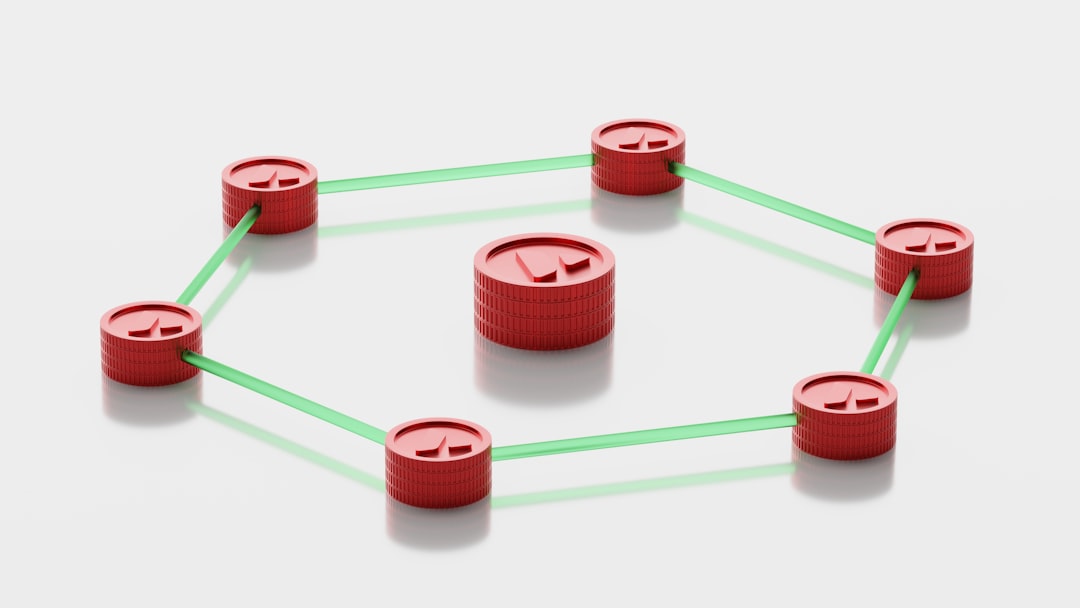
A Content Delivery Network is a geographically distributed network of servers designed to deliver content quickly by minimizing physical distance between users and data centers. Traditional hosting architectures rely heavily on a single origin server, which can lead to congestion and latency during traffic spikes. CDN providers like Fastly distribute content across multiple edge locations worldwide.
This approach achieves several objectives:
- Reduced latency: Content is served from the nearest edge location rather than a distant origin.
- Improved reliability: Traffic can be rerouted automatically in case of server outages.
- Load balancing: The origin server handles fewer direct requests.
- Scalability: Infrastructure adapts to sudden traffic increases.
Modern CDN optimization goes beyond static file caching. It includes real-time content manipulation, routing decisions based on user context, and advanced monitoring capabilities.

Why Speed Matters More Than Ever
Research consistently shows that even minor increases in page load time can negatively impact user engagement and conversion rates. A delay of a single second can reduce customer satisfaction significantly. For e-commerce platforms, slow performance translates directly into lost revenue.
Search engines also consider site speed as a ranking factor. Poorly optimized delivery infrastructure not only affects users but also reduces visibility in competitive digital markets.
CDN optimization tools address speed challenges by:
- Caching static assets such as images, CSS, and JavaScript at the edge.
- Dynamic acceleration for content that cannot be cached easily.
- Protocol optimization including HTTP/2 and HTTP/3 support.
- Efficient compression using Brotli or GZIP.
Fastly, in particular, distinguishes itself by enabling real-time configuration updates that propagate globally in seconds. This flexibility allows businesses to respond instantly to performance bottlenecks.
Understanding Edge Computing and Its Impact
Edge computing represents a significant evolution in CDN capabilities. Instead of merely storing cached content, edge servers can execute logic close to the user. This reduces round-trip time to origin servers and enables intelligent decision-making at the network’s edge.
For example, edge logic can:
- Personalize content based on geolocation.
- Block malicious traffic before it reaches core infrastructure.
- Modify headers or responses dynamically.
- A/B test content variations in real time.
Fastly’s edge cloud platform allows developers to deploy compute functions using modern programming models. This brings application logic closer to users while reducing centralized processing overhead.

Advanced Caching Strategies
Effective CDN optimization depends on sophisticated caching policies. Simply enabling default caching rules may not deliver optimal results. Instead, organizations must analyze content patterns and user behavior.
Key caching strategies include:
- Time-to-Live (TTL) tuning: Setting appropriate expiration windows for different asset types.
- Cache invalidation controls: Purging outdated content instantly.
- Stale-while-revalidate techniques: Serving old content temporarily while fetching updates.
- Custom cache keys: Ensuring personalized content is cached correctly.
Fastly offers near-instant cache purging, which is critical for content-driven platforms such as news sites and e-commerce stores where inventory and messaging change frequently.
Security Integration Within CDN Optimization
Speed without security creates unacceptable risk. CDN optimization tools integrate security layers directly into the delivery process. By intercepting malicious traffic at edge locations, organizations reduce the strain on internal systems.
Core security features often include:
- DDoS mitigation to absorb traffic floods.
- Web Application Firewall (WAF) rules applied at the edge.
- TLS encryption management for secure data transmission.
- Bot detection using behavioral analysis.
Because malicious requests are filtered before reaching origin servers, the combined effect improves both performance and resilience. This dual benefit makes CDN optimization tools a strategic infrastructure investment rather than a simple add-on.
Real-Time Observability and Control
Visibility into traffic patterns is vital for performance management. Traditional analytics tools provide historical summaries but lack real-time insight. Modern CDN platforms provide granular logging and live metrics.
With Fastly’s monitoring tools, teams can:
- Track request latency across regions.
- Identify cache hit and miss ratios.
- Analyze traffic surges.
- Detect anomalies immediately.
This operational transparency allows rapid configuration changes. Instead of waiting hours for propagation across a global network, updates can occur in seconds. The ability to react quickly during incidents significantly improves uptime and user trust.

Cost Efficiency Through Optimization
Performance improvements are only part of the equation. CDN optimization also affects infrastructure costs. By reducing the number of direct hits to origin servers, organizations decrease bandwidth consumption and server load.
Cost optimization benefits include:
- Lower server provisioning requirements
- Reduced bandwidth overage charges
- Minimized downtime-related losses
Smart routing and caching policies ensure that expensive backend resources are reserved for operations that truly require them. For high-traffic applications, these savings become substantial over time.
Implementation Best Practices
Deploying a CDN optimization solution requires careful planning and testing. Simply switching DNS to a CDN provider is not enough to guarantee improved results.
Organizations should follow structured steps:
- Audit existing performance metrics to establish baselines.
- Define caching policies tailored to content types.
- Enable compression and protocol upgrades universally.
- Integrate security controls at the edge.
- Continuously monitor and adjust based on performance data.
Collaboration between development, operations, and security teams ensures the CDN configuration aligns with business objectives.
Use Cases Across Industries
CDN optimization tools serve diverse sectors:
- E-commerce: Fast, secure checkout experiences during peak sales events.
- Media and streaming: High-quality video delivery with minimized buffering.
- Financial services: Secure and low-latency transactions.
- SaaS applications: Global performance consistency for cloud-based tools.
Each industry faces distinct challenges, yet the underlying need for speed, security, and reliability remains constant. Tools like Fastly provide adaptable frameworks that accommodate these varying requirements.
The Strategic Advantage of Modern CDN Optimization
Choosing an advanced CDN optimization platform is not a purely technical decision; it is a competitive strategy. In digital ecosystems where users can change providers in seconds, performance becomes a brand differentiator.
A well-optimized CDN strategy delivers measurable advantages:
- Higher conversion rates through faster load times.
- Stronger search visibility due to improved site speed.
- Enhanced brand credibility with consistent uptime.
- Operational agility via real-time updates and edge logic.
Organizations that invest in CDN optimization tools such as Fastly position themselves to scale confidently while protecting infrastructure integrity.
Conclusion
Digital performance is inseparable from business performance. CDN optimization tools like Fastly enable organizations to deliver content with exceptional speed, reliability, and security across global markets. By combining intelligent caching, edge computing, real-time configuration, and integrated security features, modern CDNs elevate content delivery from a passive infrastructure component to an active performance engine.
As traffic volumes grow and user expectations intensify, investing in advanced CDN optimization is no longer optional. It represents a deliberate commitment to excellence in digital service delivery—one that yields technical resilience, cost efficiency, and a sustainable competitive edge.