

Choosing between Bumble and Hinge is not a simple decision. Both platforms are widely respected, both aim to foster meaningful connections, and both attract millions of users worldwide. Yet they operate on different philosophies and user experiences. If you are serious about finding the right dating app for your goals, understanding how these platforms compare in structure, audience, features, and long-term results is essential.
TLDR: Bumble empowers women to initiate conversations and offers a structured, time-sensitive approach, making it ideal for users who value control and clear boundaries. Hinge focuses on detailed profiles and thoughtful prompts, attracting those who prioritize meaningful conversation and serious relationships. Bumble feels faster and more dynamic, while Hinge feels more deliberate and curated. The better app ultimately depends on whether you prefer proactive matching or depth-driven interaction.
Core Philosophy and Mission
Bumble was launched with a clear differentiator: women make the first move in heterosexual matches. This framework was designed to shift traditional dating dynamics and create a safer, more respectful environment. Conversations must be initiated within 24 hours, or the match expires. This time-sensitive design encourages active participation.
Hinge, by contrast, markets itself as the app “designed to be deleted.” Its core aim is to facilitate long-term relationships rather than casual dating. It encourages users to build detailed profiles filled with prompts, opinions, and personal anecdotes that serve as conversation starters.
In short:
- Bumble: Focused on empowerment, momentum, and structured interaction.
- Hinge: Focused on depth, compatibility, and long-term connection.
User Demographics and Intent
Understanding who uses each platform can help you determine where you may feel most comfortable.
Bumble’s audience tends to skew slightly younger, often between ages 18–35. While many users are seeking serious relationships, the app also attracts those interested in casual dating, networking (via Bumble Bizz), and friendships (via Bumble BFF). Its broader lifestyle appeal contributes to a diverse user base.
Hinge’s user base generally leans toward professionals in their mid-20s to early 40s. Many profiles signal clear intentions for committed relationships. The tone across Hinge often feels more intentional and relationship-focused.
If your priority is clarity of romantic intention, Hinge may have a slight edge. If you value flexibility and social networking features beyond dating, Bumble offers additional layers of engagement.
Profile Design and Depth
One of the most noticeable differences lies in how user profiles are structured.
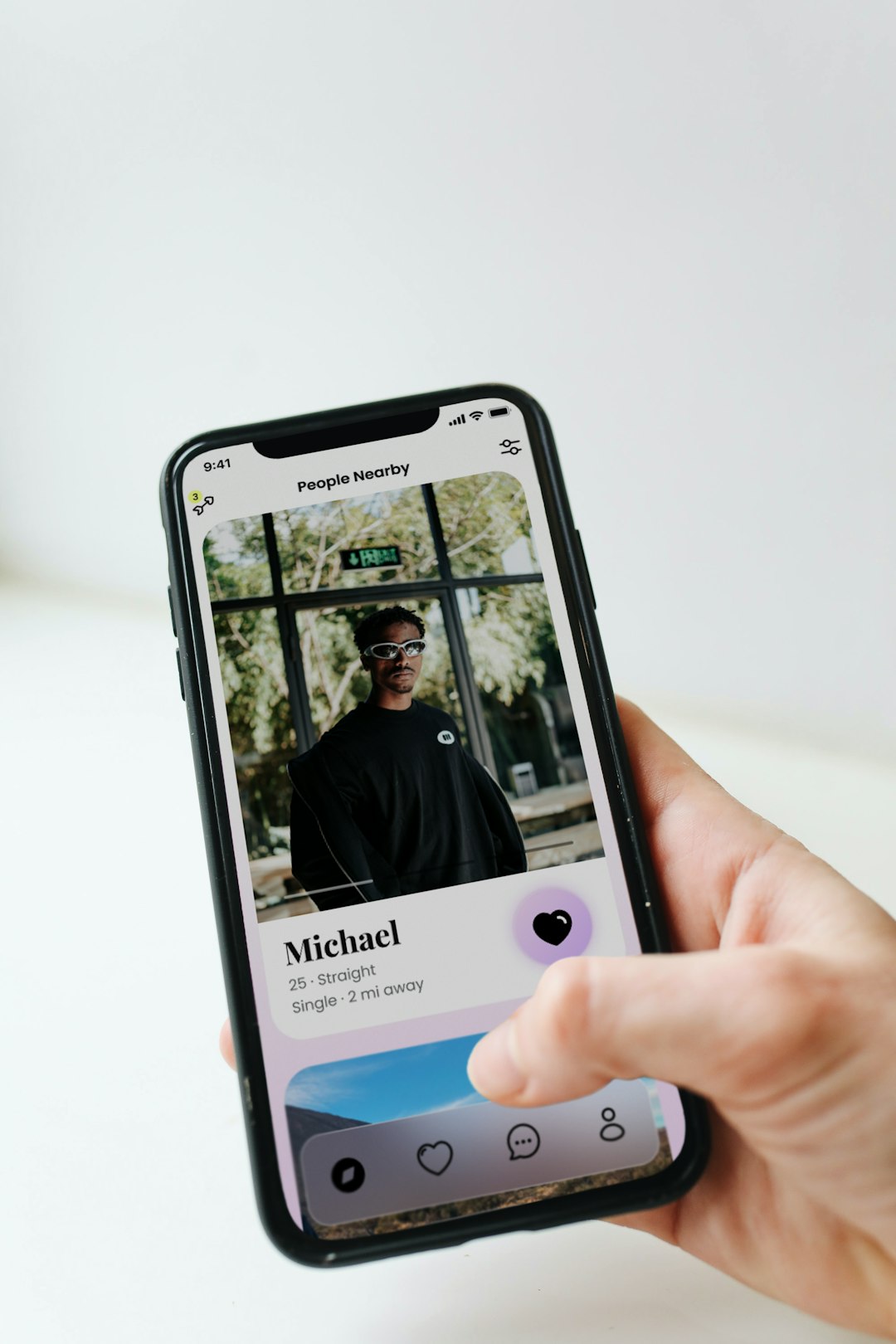
Bumble profiles are clean and image-focused. Users upload photos, add short bios, and answer a few optional prompts. While profiles can be thorough, the app experience encourages faster evaluation and swiping behavior.
Hinge profiles are far more detailed. Users must answer multiple prompts such as:
- “The hallmark of a good relationship is…”
- “Unusual skills…”
- “Dating me is like…”
These prompts create layered insights into personality, humor, values, and lifestyle. Additionally, users can like or comment on specific parts of a profile, not just the whole profile itself.
This difference changes the experience significantly. On Bumble, attraction often starts visually. On Hinge, attraction frequently starts with words, personality, or shared humor.
Matching and Communication Mechanics
Bumble’s 24-hour timer is both a strength and a limitation. Once matched, women in heterosexual matches must send the first message within 24 hours. The recipient then has another 24 hours to respond. This process:
- Reduces ghosting at the initial stage
- Encourages decisiveness
- Keeps conversations moving
However, some users find the timer stressful or restrictive, particularly those with demanding schedules.
Hinge eliminates time pressure. Users can like specific prompts or photos and attach messages immediately. There is no rigid opening rule based on gender. Communication flows more organically and tends to feel less rushed.
This creates different emotional atmospheres:
- Bumble feels fast-paced and action-oriented.
- Hinge feels conversational and measured.

Quality of Matches
Match quality is subjective, but certain patterns stand out.
Hinge uses an algorithm that learns from your interactions—who you like, comment on, and respond to. It also includes a “Most Compatible” feature, which highlights a daily recommended match based on behavioral data.
Bumble also uses algorithmic learning, but its swiping format can sometimes prioritize volume over precision. Users often report receiving more matches on Bumble, but deeper conversations on Hinge.
In general:
- For higher match volume: Bumble
- For deeper interaction per match: Hinge
Safety and Privacy
Both apps take safety seriously, offering:
- Photo verification
- Profile reporting tools
- Blocking capabilities
Bumble’s design, requiring women to message first, can diminish unwanted messages or aggressive openers. Hinge counters potential issues by limiting the number of daily likes for free users, reducing spam-like behavior.
Neither app is immune to misuse, but both maintain reputations for strong moderation standards compared to many competitors.
Premium Features and Costs
Both apps operate under similar freemium models.
Bumble Premium includes:
- Unlimited swipes
- Advanced filters
- Travel mode
- Beeline (see who liked you)
Hinge Preferred includes:
- Unlimited likes
- Advanced preference filters
- Access to “Standouts”
Pricing varies by location and age, but both apps fall within a similar monthly range. The decision often comes down to which feature set enhances your personal strategy. If you value seeing who already liked you, Bumble’s Beeline may appeal. If you want more control over filtering education, family plans, or habits, Hinge’s filters may be more relevant.
Serious Relationships: Which Performs Better?
Hinge positions itself strongly for long-term relationships, and anecdotal reports often confirm higher rates of exclusive partnerships forming through the app.
Bumble certainly produces serious relationships, yet its wider appeal means you may encounter mixed intentions more frequently.
The difference often lies in tone. Hinge conversations commonly begin with thoughtful comments tied to prompts. Bumble interactions, while potentially meaningful, often start more briefly given the time constraint.

For individuals whose primary objective is marriage or long-term commitment, Hinge may offer a slightly more aligned environment. However, success depends far more on individual effort, communication skills, and profile quality than on platform alone.
Pros and Cons Overview
Bumble Advantages:
- Empowers women to initiate contact
- Time limits encourage momentum
- Options for dating, friendship, and networking
- Clean, intuitive interface
Bumble Limitations:
- 24-hour rule may feel restrictive
- Some users report superficial swiping culture
Hinge Advantages:
- In-depth profiles promote meaningful discussion
- No time pressure on responses
- Strong reputation for fostering relationships
Hinge Limitations:
- Fewer daily likes for free users
- Smaller user base in certain geographic areas
Final Verdict: Which Dating App Is Better?
There is no universal answer. Instead, the better choice depends on your personal priorities, communication style, and relationship goals.
If you value:
- Structured interactions
- Clear boundaries around messaging
- A dynamic, fast-paced experience
Bumble may be the right fit.
If you prioritize:
- Detailed profiles and personality insights
- More thoughtful opening conversations
- A culture leaning toward long-term commitment
Hinge may serve you better.
Ultimately, both platforms can be effective tools. The outcome depends less on which app you choose and more on how authentically and intentionally you use it. A carefully constructed profile, respectful communication, and clear intentions will elevate your experience on either platform. Rather than searching for the “perfect” app, focus on aligning the app’s environment with your relationship goals.
In the evolving landscape of online dating, Bumble and Hinge stand out as serious, well-designed options. The right choice is the one that supports not just matching—but meaningful connection.