

Black Friday remains one of the most powerful sales opportunities of the year, but record-breaking results rarely happen by accident. The brands that win are usually the ones that plan early, communicate clearly, and create urgency without overwhelming shoppers. A strong campaign should combine irresistible offers, smart segmentation, compelling creative, and a seamless buying experience.
TLDR: The best Black Friday campaigns focus on early planning, personalized offers, limited-time urgency, and easy checkout experiences. Businesses should use email, SMS, social media, paid ads, and website optimization together instead of relying on one channel. Record-breaking sales come from clear messaging, strategic bundles, loyal customer rewards, and strong follow-up after the event.
1. Launch an Early Access Campaign
One of the most effective Black Friday campaign ideas is to give selected customers early access before the general public. This approach makes shoppers feel valued while helping a business generate sales before the busiest shopping days begin.
Early access works especially well for loyalty members, email subscribers, VIP customers, and previous buyers. A brand can frame the campaign as an exclusive invitation, using phrases such as “VIP Black Friday Preview” or “Subscribers Shop First.” This creates anticipation and encourages more people to join the mailing list before the sale begins.
- Best for: ecommerce stores, fashion brands, beauty products, tech accessories, and subscription businesses.
- Key benefit: It rewards loyal customers and builds momentum before competitors flood the market.
2. Create Limited-Time Flash Deals
Flash deals are ideal for creating urgency during Black Friday. Instead of offering one discount all day, a business can release new offers every few hours. This encourages shoppers to return to the website, open emails, and stay alert for the next promotion.
For example, a retailer might offer 40% off bestsellers from 8 a.m. to 12 p.m., then switch to buy one, get one half off in the afternoon. The key is to make the schedule clear and easy to follow. If the offers feel confusing, customers may abandon the purchase altogether.
3. Use Product Bundles to Increase Order Value
Discounts can drive traffic, but bundles can increase profit. A well-planned Black Friday bundle groups complementary products together at a slightly reduced price. This makes the offer feel valuable while encouraging shoppers to spend more than they originally planned.
For instance, a skincare brand might bundle cleanser, serum, and moisturizer. A home goods store might create a holiday hosting kit. A fitness brand might package workout gear, resistance bands, and a digital training guide. The goal is to make the bundle feel convenient, seasonal, and hard to resist.
- Starter bundles: Great for first-time buyers.
- Premium bundles: Designed for customers who want the best value.
- Gift bundles: Perfect for shoppers buying holiday presents.
4. Personalize Offers by Customer Segment
A generic Black Friday message may still work, but personalized campaigns usually perform better. Businesses can segment audiences based on browsing behavior, purchase history, location, average order value, or engagement level.
A returning customer might receive a discount on products similar to previous purchases. A dormant customer might receive a stronger incentive to come back. A high-value customer might receive a special gift with purchase instead of a standard percentage discount.
Personalization helps shoppers feel understood. It also reduces wasted marketing spend because each group receives a message that matches its intent and buying behavior.
5. Build a Countdown Campaign
Countdown campaigns are simple but powerful. In the days leading up to Black Friday, a business can send teaser emails, post social media previews, and display countdown timers on its website. This builds anticipation and reminds customers that the sale is approaching.
Countdowns work best when they are paired with curiosity. A brand does not have to reveal every deal immediately. It can tease categories, show blurred product previews, or announce that the biggest offer of the year is coming soon.
Urgency should feel exciting, not stressful. The most successful campaigns use countdowns to guide shoppers toward action while still keeping the experience enjoyable.
6. Offer Free Shipping or Shipping Thresholds
Shipping costs are one of the most common reasons customers abandon carts. During Black Friday, when shoppers compare multiple brands quickly, free shipping can become a deciding factor.
If a business cannot offer free shipping on every order, it can set a threshold. For example, “Free shipping on orders over $75” encourages customers to add more items to their cart. This strategy can protect margins while increasing average order value.
A business should display shipping details clearly across product pages, cart pages, promotional emails, and checkout screens. Hidden fees at the final step can damage trust and reduce conversions.
7. Create Gift Guides for Easy Shopping
Black Friday is not only about personal shopping. Many customers are buying gifts for friends, family, coworkers, and clients. Gift guides make the decision process easier and help shoppers discover products they might otherwise miss.
A brand can organize guides by recipient, price range, interest, or product type. Examples include “Gifts Under $50,” “Best Gifts for Tech Lovers,” and “Holiday Picks for New Parents.”
Gift guides can be promoted through blog posts, email campaigns, social media stories, and homepage banners. They are especially helpful because they reduce decision fatigue during a crowded shopping season.
8. Use Social Proof to Build Confidence
During Black Friday, shoppers often make fast decisions. Social proof helps them feel more confident about buying. Customer reviews, testimonials, user-generated photos, bestseller labels, and real-time purchase notifications can all make products more appealing.
A business should highlight its most trusted products and display clear ratings near calls to action. If a product has thousands of happy customers, that message should be obvious. Strong social proof can be especially persuasive for new visitors who are discovering the brand for the first time.
9. Run Omnichannel Promotions
A record-breaking Black Friday campaign rarely depends on a single platform. Instead, it connects multiple channels into one consistent experience. Email can build anticipation, SMS can deliver urgent reminders, social media can create excitement, and paid ads can bring in new traffic.
The message should remain consistent across every channel. If an email promotes 30% off sitewide, the website, ads, and social posts should support the same offer. Consistency reduces confusion and makes the brand look more professional.
10. Optimize the Website Before Traffic Spikes
Even the best Black Friday campaign can fail if the website is slow or difficult to use. Before launching promotions, a business should test loading speed, mobile responsiveness, checkout flow, product filters, coupon codes, and payment options.
Mobile shopping is especially important. Many customers will browse from their phones after seeing an email, SMS, or social media post. If products are hard to view or checkout takes too long, they may leave without purchasing.
- Use clear product images and descriptions.
- Make discount codes easy to apply.
- Show delivery estimates before checkout.
- Offer popular payment methods.
- Prepare customer support for higher demand.
11. Add Post-Purchase Upsells and Follow-Up Offers
Black Friday does not end when the first purchase is complete. A smart campaign includes post-purchase upsells, thank-you emails, and follow-up offers for Cyber Monday or the holiday season.
After a customer buys, the business can recommend related products, offer a limited-time add-on discount, or invite the shopper to join a loyalty program. This helps turn one-time bargain hunters into long-term customers.
12. Protect Profit Margins While Discounting
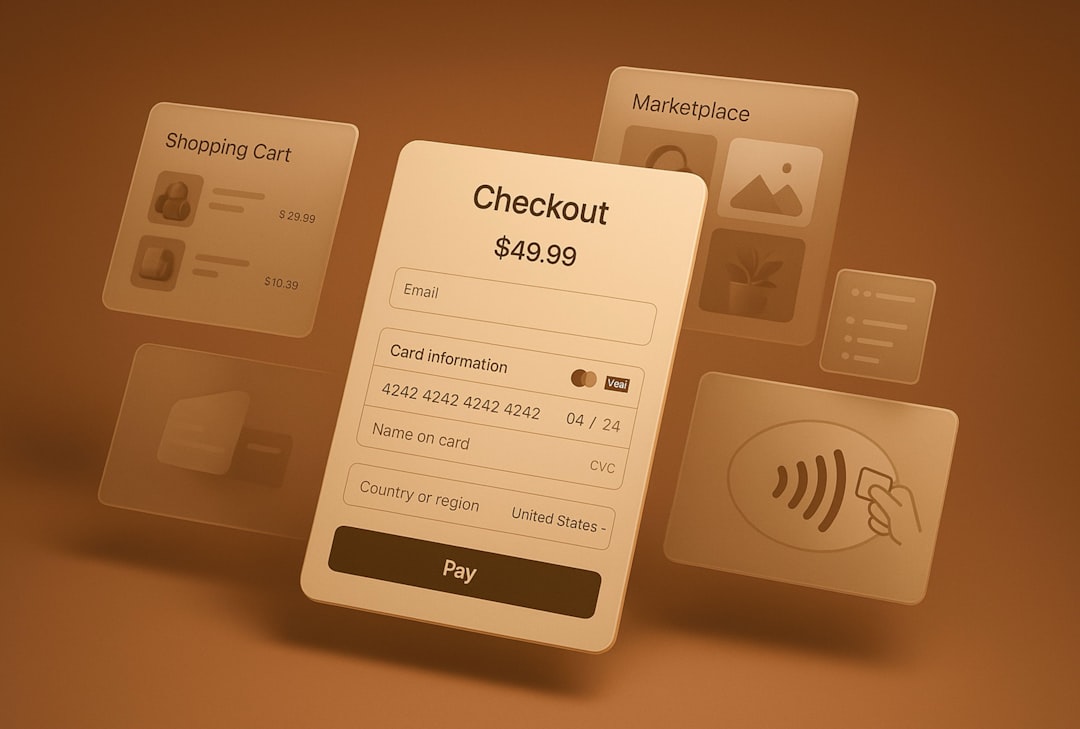
Many brands focus too heavily on revenue and forget about profitability. A record-breaking sales day should not come at the expense of healthy margins. Businesses should calculate discounts carefully, prioritize high-margin products, and avoid over-discounting items that already sell well.
Instead of offering deep cuts across everything, a company can use tiered discounts, bundles, gifts with purchase, or loyalty rewards. These tactics can feel generous while keeping profit under control.
FAQ
-
When should a business start planning a Black Friday campaign?
Planning should ideally begin two to three months in advance. This gives the business enough time to prepare offers, creative assets, inventory, email flows, ads, and website updates.
-
What type of Black Friday offer works best?
The best offer depends on the audience and product margins. Popular options include percentage discounts, product bundles, free shipping, early access, gifts with purchase, and limited-time flash deals.
-
How can a brand stand out during Black Friday?
A brand can stand out by using personalized messaging, strong visuals, exclusive deals, clear value propositions, and a smooth shopping experience. Loyalty rewards and early access campaigns can also help.
-
Should small businesses run Black Friday campaigns?
Yes. Small businesses can succeed by focusing on loyal customers, curated bundles, limited inventory offers, and authentic storytelling rather than trying to match the deepest discounts from larger competitors.
-
How can Black Friday shoppers be converted into repeat customers?
Businesses can follow up with thank-you emails, personalized recommendations, loyalty program invitations, and holiday promotions. Excellent customer service and fast fulfillment also increase the chance of repeat purchases.