

Hiring teams are under increasing pressure to move quickly without lowering the quality of their decisions. As applicant volumes rise and candidates expect faster communication, AI hiring automation tools can help recruiters manage interviews, screen applicants, coordinate schedules, and maintain a more consistent candidate experience. The best platforms do not replace human judgment; they reduce repetitive work so hiring managers and recruiters can focus on evaluating skills, culture contribution, and long-term fit.
TLDR: The best AI hiring automation tools help companies streamline candidate sourcing, screening, interview scheduling, assessment, and communications. For enterprise talent intelligence, Eightfold AI is a strong option, while HireVue is well suited for structured video interviewing and assessments. Paradox, Greenhouse, Ashby, Findem, and SmartRecruiters also stand out for improving interview workflows and candidate management. The right choice depends on your hiring volume, compliance needs, existing HR systems, and how much automation your team is ready to adopt.
What to Look for in an AI Hiring Automation Tool
Before choosing a platform, organizations should define their hiring bottlenecks clearly. Some teams struggle most with scheduling interviews. Others need better candidate relationship management, stronger analytics, or consistent screening across high-volume roles. A reliable AI hiring tool should support measurable improvements while maintaining transparency, fairness, and compliance.
Key capabilities to evaluate include:
- Automated interview scheduling: Reduces manual coordination between candidates, recruiters, and hiring managers.
- Candidate screening and ranking: Helps identify applicants whose experience aligns with job requirements.
- Structured interviewing: Encourages consistent evaluation criteria across candidates.
- Candidate communication: Uses chatbots, email automation, and reminders to keep applicants informed.
- ATS and HRIS integrations: Connects smoothly with existing recruiting and employee systems.
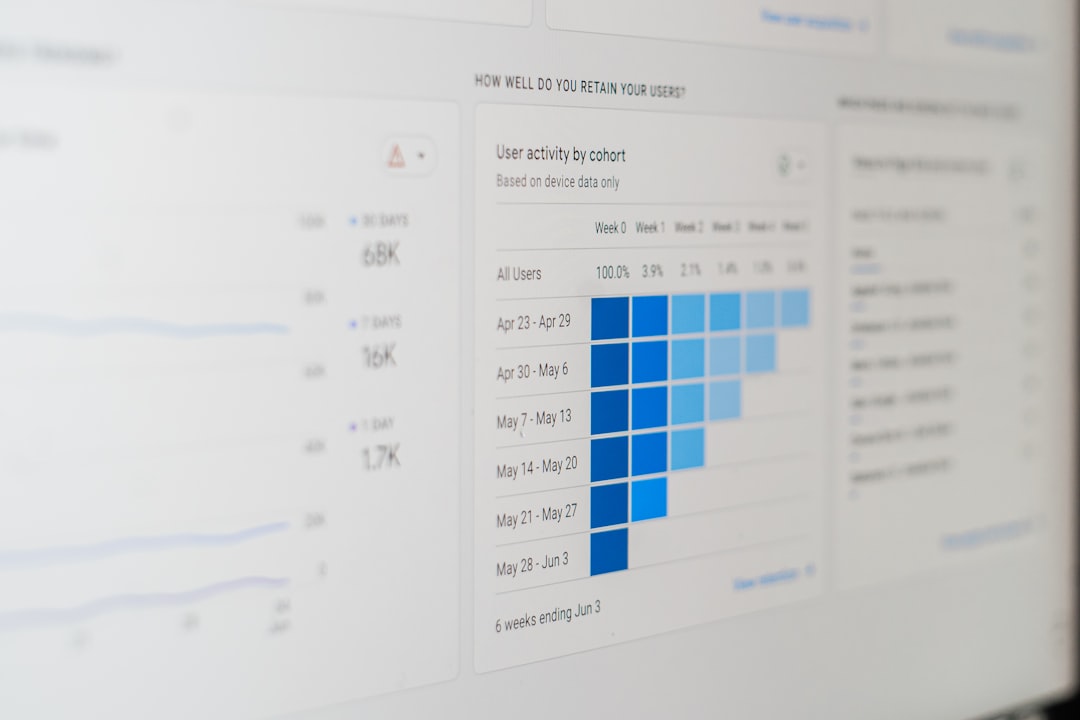
- Analytics and reporting: Tracks funnel performance, time to hire, source quality, and diversity metrics.
- Compliance and auditability: Provides records and controls to support fair and defensible hiring decisions.
AI should assist hiring decisions, not make them without oversight. Responsible employers should review how each tool uses data, whether candidates are informed about automated processes, and how the vendor monitors for bias.
1. Eightfold AI
Eightfold AI is a talent intelligence platform designed for large and growing organizations that want to improve hiring, internal mobility, workforce planning, and talent matching. Its AI analyzes candidate profiles, resumes, career histories, and skills data to help recruiters find suitable applicants for open roles.
One of Eightfold’s strengths is its ability to look beyond simple keyword matching. The platform can infer adjacent skills and identify candidates who may be qualified even if their resumes do not use the exact language in the job description. This is useful for companies hiring in competitive markets where strong candidates may have nontraditional backgrounds.
Best for: Enterprises and mid-market companies that need advanced talent intelligence, candidate matching, and internal mobility support.
Notable features:
- AI-powered candidate matching
- Talent rediscovery from existing applicant databases
- Workforce planning and skills intelligence
- Diversity-focused talent insights
- Integration with major recruiting systems
Eightfold is particularly valuable when a company already has a large database of past applicants and employees. Instead of sourcing from scratch, recruiters can surface qualified people who are already familiar with the organization.
2. HireVue
HireVue is widely recognized for its video interviewing, structured assessments, and interview automation capabilities. It helps employers conduct on-demand interviews, allowing candidates to respond to pre-set questions at a convenient time. This can significantly reduce scheduling delays, especially for high-volume hiring.
The platform also supports structured evaluation, which can help interviewers compare candidates more consistently. Rather than relying on informal conversations, hiring teams can use standardized questions, rating guides, and assessment workflows.
Best for: Organizations that conduct frequent interviews and need scalable video interviewing and assessment tools.
Notable features:
- On-demand and live video interviews
- Interview scheduling automation
- Structured interview guides
- Job-related assessments
- Candidate evaluation tools
HireVue can be especially useful for graduate recruitment, customer service roles, retail hiring, and other situations where employers need to evaluate many candidates efficiently. However, companies should ensure that interview criteria remain job-related and that human reviewers are trained to use the results appropriately.
3. Paradox
Paradox is best known for Olivia, its conversational AI assistant for recruiting. Olivia helps automate candidate communication, screening, interview scheduling, and follow-up tasks. The system is designed to create a fast, mobile-friendly experience for applicants while reducing administrative work for recruiters.
For companies hiring hourly workers or managing large numbers of applicants, Paradox can be particularly effective. Candidates can ask questions, receive updates, complete screening steps, and schedule interviews through conversational interactions.
Best for: High-volume hiring, hourly workforce recruitment, and companies that want conversational AI for candidate engagement.
Notable features:
- AI recruiting assistant
- Automated screening questions
- Interview scheduling and reminders
- Text-based candidate communication
- Hiring event management
Paradox stands out because it addresses one of the most common problems in recruiting: slow communication. When candidates receive quick answers and scheduling options, drop-off rates often improve, and recruiters can spend more time with qualified applicants.
4. Greenhouse
Greenhouse is a leading applicant tracking system with strong structured hiring capabilities and an extensive ecosystem of integrations. While it is not solely an AI platform, it offers automation and AI-supported features that help companies manage candidate pipelines, interviews, scorecards, and hiring workflows.
Greenhouse is respected for promoting a disciplined hiring process. Teams can define interview plans, assign roles, use scorecards, and track candidate progress from application through offer. This structure helps reduce inconsistent decision-making and keeps stakeholders aligned.
Best for: Companies that want a robust ATS with structured interviewing, automation, and many integration options.
Notable features:
- Applicant tracking and pipeline management
- Structured interview kits and scorecards
- Automated reminders and workflow actions
- Reporting and hiring analytics
- Large partner integration marketplace
Greenhouse is a strong choice for organizations that care about process consistency. Its value increases when hiring teams commit to using structured scorecards and standardized interview plans rather than treating the ATS as a simple resume storage system.
5. Ashby
Ashby combines applicant tracking, scheduling, analytics, sourcing, and candidate relationship management in one recruiting platform. It is popular among high-growth companies that need strong visibility into recruiting performance and a flexible system that supports complex hiring workflows.
Ashby’s analytics capabilities are a major advantage. Recruiting leaders can examine conversion rates, interviewer performance, source effectiveness, time in stage, and other operational metrics. This helps teams identify where candidates are getting stuck and where process improvements are needed.
Best for: Startups, scaleups, and data-driven recruiting teams that want ATS, CRM, scheduling, and analytics in a unified platform.
Notable features:
- Applicant tracking system
- Interview scheduling automation
- Recruiting CRM
- Advanced analytics dashboards
- Custom workflows and automation
Ashby is well suited for organizations that want operational control and detailed reporting. Its ability to connect candidate management with analytics makes it easier to optimize hiring over time, rather than simply process applications.
6. Findem
Findem is an AI talent sourcing and candidate intelligence platform that helps recruiters discover candidates based on attributes, skills, experience patterns, and career indicators. Instead of relying only on job titles or keywords, Findem allows teams to search for more nuanced candidate profiles.
This can be useful for specialized roles where the best candidates may not be actively applying. Recruiters can build searches around characteristics such as technical skills, leadership background, industry experience, education, or evidence of growth in previous roles.
Best for: Talent acquisition teams focused on proactive sourcing, passive candidate discovery, and strategic talent pipelines.
Notable features:
- AI-powered candidate search
- Attribute-based sourcing
- Talent market insights
- Candidate relationship management
- Pipeline analytics
Findem is strongest at the top of the funnel. It helps companies build better candidate pools before the interview process begins. For organizations competing for scarce talent, this can make hiring more targeted and less dependent on inbound applications.

7. SmartRecruiters
SmartRecruiters is a comprehensive talent acquisition suite that supports applicant tracking, recruitment marketing, candidate management, collaboration, and marketplace integrations. It includes automation capabilities that help teams manage interviews, approvals, communication, and hiring workflows at scale.
The platform is designed for organizations that need a broad recruiting operating system rather than a single-purpose tool. Recruiters, hiring managers, and leadership teams can work from a shared platform with visibility into candidate status, open roles, and recruiting performance.
Best for: Mid-sized and enterprise organizations looking for a scalable end-to-end talent acquisition platform.
Notable features:
- Applicant tracking and candidate management
- Recruitment marketing tools
- Interview and offer management
- Automation and workflow configuration
- Marketplace integrations
SmartRecruiters is a good fit for companies that want to standardize recruiting across departments, regions, or business units. Its breadth makes it useful for organizations that need both candidate experience tools and administrative recruiting controls.
Comparison of the Best AI Hiring Automation Tools
| Tool | Primary Strength | Best Use Case |
|---|---|---|
| Eightfold AI | Talent intelligence and matching | Enterprise hiring and internal mobility |
| HireVue | Video interviewing and assessments | Structured, scalable interviews |
| Paradox | Conversational AI and scheduling | High-volume and hourly hiring |
| Greenhouse | Structured hiring workflows | Consistent interview processes |
| Ashby | Recruiting analytics and automation | Data-driven hiring teams |
| Findem | AI sourcing and talent intelligence | Passive candidate discovery |
| SmartRecruiters | End-to-end talent acquisition | Scalable enterprise recruiting |
How to Choose the Right Platform
The best AI hiring automation tool is the one that solves your most urgent recruiting problems without creating unnecessary complexity. A company hiring thousands of hourly workers may benefit most from Paradox, while a business focused on structured interviews may prefer HireVue or Greenhouse. A fast-growing company that needs analytics and operational visibility may find Ashby especially compelling.
When evaluating vendors, consider the following questions:
- What part of the hiring funnel needs the most improvement? Sourcing, screening, scheduling, interviewing, or reporting?
- How well does the tool integrate with your current systems? Poor integration can create duplicate work.
- Can the platform support compliance requirements? This is especially important in regulated jurisdictions.
- How transparent is the AI? Recruiters should understand how recommendations are generated.
- Will candidates have a better experience? Automation should make communication faster and clearer, not impersonal.
Final Thoughts
AI hiring automation tools can meaningfully improve recruiting efficiency, but they should be implemented with care. The strongest results come when companies combine automation with structured hiring practices, trained interviewers, clear evaluation criteria, and ongoing monitoring. Eightfold AI, HireVue, Paradox, Greenhouse, Ashby, Findem, and SmartRecruiters each offer credible ways to streamline interviews and candidate management, but they serve different needs.
For most organizations, the right approach is to start with a clear hiring process audit, identify the most damaging bottlenecks, and then choose technology that directly addresses those issues. Used responsibly, AI can help hiring teams move faster, communicate better, and make more consistent decisions while preserving the human judgment that effective hiring still requires.