


Choosing between Japan’s two flagship carriers can feel like choosing between two excellent sushi restaurants: both are polished, reliable, deeply attentive to detail, and proudly Japanese. All Nippon Airways (ANA) and Japan Airlines (JAL) consistently rank among the world’s best airlines, but they are not identical. The better choice depends on where you are flying, what cabin you book, which loyalty program you use, and what kind of travel experience you value most.
TLDR: ANA is often the better pick for travelers who value modern aircraft, strong international connectivity through Star Alliance, and standout premium cabins on select long-haul routes. JAL tends to shine with elegant service, excellent economy comfort, strong domestic coverage, and access through Oneworld. Both airlines are exceptional, but ANA may appeal more to global business travelers, while JAL may feel slightly warmer and more refined for leisure travelers. If price and schedule are equal, your alliance preference and seat type should guide the final decision.
First Impressions: Two Airlines, Two Personalities
ANA and JAL both represent Japan’s famous standards of hospitality, punctuality, and cleanliness. Yet they project slightly different personalities. ANA often feels sleek, contemporary, and business-focused, with an emphasis on innovation and global connectivity. Its branding, cabin design, and service style can feel crisp and modern, especially on newer international aircraft.
JAL, by contrast, often delivers a more understated and traditional experience. Its service style tends to feel calm, graceful, and highly personal. While ANA may feel like a polished global corporation, JAL often feels like a classic Japanese host: quiet, composed, and deeply attentive without being overly formal.
Neither approach is “better” for everyone. If you prefer a modern, efficient atmosphere, ANA may suit you. If you appreciate a softer, more traditional sense of hospitality, JAL may leave a stronger impression.
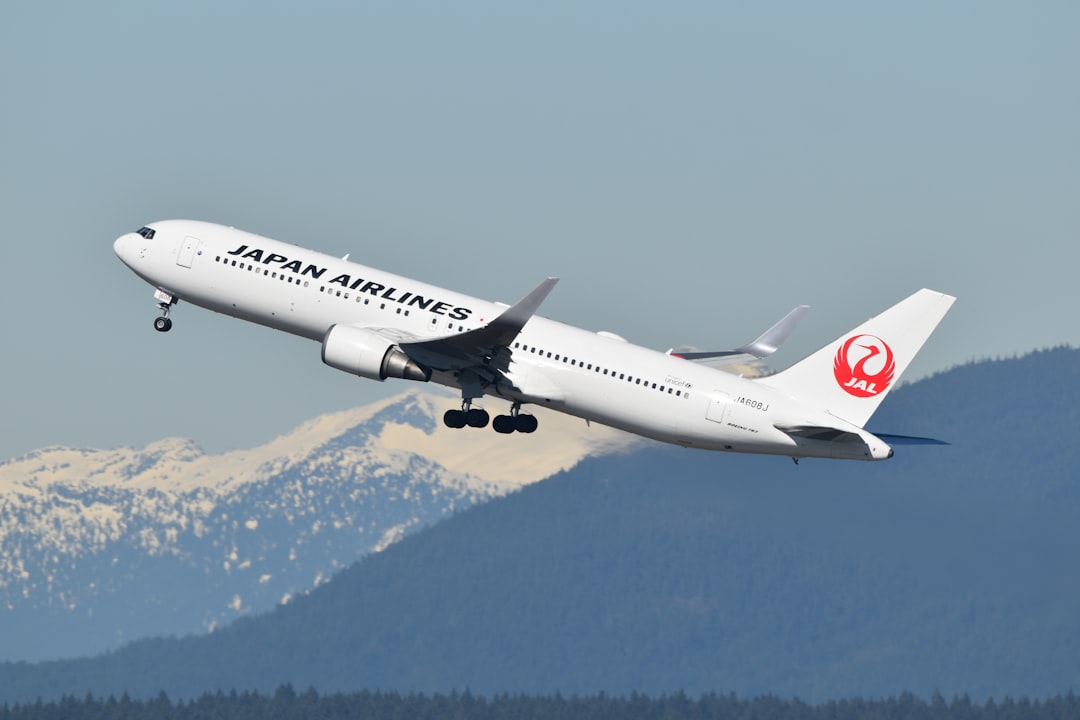
Route Networks and Global Alliances
One of the biggest practical differences between ANA and JAL is their alliance membership. ANA is part of Star Alliance, the world’s largest airline alliance, which includes carriers such as United Airlines, Lufthansa, Singapore Airlines, Thai Airways, Air Canada, and Turkish Airlines. This makes ANA especially useful for travelers who frequently connect across North America, Europe, and Asia through Star Alliance partners.
JAL belongs to Oneworld, alongside American Airlines, British Airways, Qatar Airways, Cathay Pacific, Qantas, and Finnair. For travelers based in cities served heavily by American Airlines or British Airways, JAL may be the more convenient choice. Oneworld also offers excellent premium redemption opportunities, especially through partners such as Qatar Airways and Cathay Pacific.
Domestically, both ANA and JAL operate extensive networks throughout Japan, serving major cities like Tokyo, Osaka, Sapporo, Fukuoka, Nagoya, and Okinawa, as well as many regional airports. In most cases, domestic coverage is broadly comparable, though some smaller airports may be better served by one airline or its regional subsidiaries.
- Choose ANA if you collect Star Alliance miles or often fly with United, Lufthansa, Singapore Airlines, or Air Canada.
- Choose JAL if you collect Oneworld miles or often fly with American Airlines, British Airways, Qatar Airways, or Cathay Pacific.
- Compare airport options, especially in Tokyo, where flights may depart from either Haneda or Narita.
Economy Class: Comfort, Service, and Value
For many travelers, the most important question is simple: which airline has the better economy class? The answer is close, but JAL often has a slight edge in long-haul economy comfort. JAL has been praised for offering generous seat layouts on certain international aircraft, including configurations that feel less cramped than many competitors. Its “Sky Wider” economy seats on select routes have a strong reputation for comfort, legroom, and thoughtful design.
ANA’s economy class is also excellent by global standards. Cabins are clean, service is friendly, meals are appealing, and in-flight entertainment is solid. On newer aircraft, the experience feels fresh and efficient. However, depending on aircraft type and route, ANA’s economy seating may feel a bit more standard compared with JAL’s more spacious long-haul economy products.
Meal service in economy is a highlight on both airlines. Expect Japanese and Western options, neatly presented trays, and drinks served with care. Even in the back of the plane, both airlines usually deliver service that feels more attentive than what many passengers experience on North American or European carriers.
If you are flying economy and both airlines offer similar schedules and fares, JAL may be the safer bet for seat comfort, especially on long international routes. ANA remains a very strong option, particularly if the aircraft is newer or if your travel plans align better with Star Alliance.
Premium Economy: A Worthwhile Upgrade?
Premium economy is increasingly popular on flights between Japan and North America, Europe, and Australia. Both ANA and JAL offer a meaningful step up from economy, with wider seats, extra recline, more legroom, upgraded meals, and priority services depending on route and airport.
ANA premium economy is especially attractive for travelers who want lounge access on some international itineraries, although benefits can vary by route and ticket conditions. The seat is comfortable, the cabin is quieter than economy, and the overall service feels more polished.
JAL premium economy is also well regarded, particularly for seat comfort and a relaxed cabin atmosphere. JAL’s premium economy often feels spacious and calm, making it a good option for overnight flights where sleep matters. The service is elegant, and the food and beverage offering is generally satisfying.
In this category, the winner depends heavily on the aircraft and price. If the fare difference is modest, both products can be worth it. If lounge access or alliance benefits matter, ANA may be more attractive. If seat comfort and a quieter feel are your top priorities, JAL deserves serious consideration.

Business Class: Where ANA Pulls Ahead
Business class is where ANA can make a very strong case for being the better airline, especially on routes featuring its top long-haul product, “The Room.” This business class seat, available on select Boeing 777 routes, is among the most spacious in the world. It offers a wide seat, excellent privacy, a large entertainment screen, and a design that feels closer to a private suite than a typical business class pod.
ANA’s business class soft product is also impressive. Meals can be excellent, especially if you choose the Japanese menu. Service is professional, polished, and efficient, with flight attendants who are attentive without hovering. The overall feeling is refined and modern.
JAL business class is also outstanding, particularly on aircraft fitted with the JAL Sky Suite. These seats offer good privacy, direct aisle access on many long-haul routes, and a comfortable sleeping experience. JAL’s service may feel warmer and more personal to some passengers, and its food is consistently praised.
Still, if comparing the best business class products from both airlines, ANA has the advantage when “The Room” is available. On other aircraft, the comparison becomes closer. A newer JAL Sky Suite may beat an older ANA business class seat, so checking the exact aircraft and seat map is essential before booking.
First Class: Japanese Luxury in the Sky
Both ANA and JAL offer exceptional first class experiences on select international routes. These cabins are intimate, quiet, and built around privacy, fine dining, premium beverages, and highly personalized service.
ANA first class, especially on aircraft with “The Suite,” delivers a sleek and modern interpretation of luxury. The seat is spacious and private, the entertainment screen is large, and the dining can be superb. The experience feels polished and contemporary, with excellent bedding and refined Japanese hospitality.
JAL first class feels more classic and understated. The seat may not always feel as cutting-edge as ANA’s newest product, but the service, dining, and atmosphere are exceptional. Many travelers love JAL first class for its calm elegance, thoughtful details, and beautifully executed Japanese meals.
In first class, there is no bad choice. ANA may impress travelers who want a more modern hard product, while JAL may appeal to those who value traditional luxury and deeply gracious service.
Food and Drink: A Delicious Tie
Food is one of the joys of flying either ANA or JAL. Both airlines take in-flight dining seriously, and both offer Japanese and international menus on long-haul routes. The Japanese meals are usually the highlight, often featuring seasonal ingredients, rice, fish, pickles, miso soup, noodles, and carefully arranged small dishes.
ANA’s dining often feels sophisticated and restaurant-inspired, particularly in business and first class. JAL’s meals can feel slightly more traditional and comforting, with a strong emphasis on presentation and balance. In premium cabins, both airlines usually offer excellent sake, wine, Champagne, and tea selections.
For economy passengers, meals are still above average compared with many international airlines. Portions may not be huge, but the quality, presentation, and service are typically strong. Travelers who enjoy Japanese cuisine will likely be happy on either carrier.
Image not found in postmetaService: Polished vs Personal
Service is one of the hardest categories to judge because both airlines are excellent. ANA flight attendants are typically efficient, courteous, and highly professional. The service style is precise and polished, which many business travelers appreciate. Requests are handled quickly, cabins remain tidy, and the crew usually communicates clearly.
JAL service can feel a little warmer and more personal, though this is subjective. Many passengers describe JAL crews as gentle, gracious, and emotionally attentive. The difference is subtle, but frequent flyers often notice it: ANA may feel more corporate and streamlined, while JAL may feel more intimate and traditional.
If you value efficiency and consistency, ANA is superb. If you value warmth and a softer human touch, JAL may win your loyalty.
Lounges and Airport Experience
At major airports such as Tokyo Haneda and Tokyo Narita, both airlines offer strong lounge experiences. ANA lounges are modern, spacious, and practical, with good food, drinks, showers, work areas, and a clean design. They are especially useful for Star Alliance passengers connecting through Japan.
JAL’s Sakura Lounges are also excellent, known for their calm atmosphere, reliable food offerings, and comfortable seating. At Haneda and Narita, JAL provides a very pleasant pre-flight experience, especially for premium cabin passengers and Oneworld elites.
First class passengers on both airlines can access more exclusive lounges, where available. These spaces offer improved dining, quieter seating, and more attentive service. Overall, ANA’s lounges may feel slightly more contemporary, while JAL’s may feel more relaxed and traditional.
Punctuality and Reliability
Japan is famous for punctual transport, and both ANA and JAL maintain strong operational records. Delays can happen due to weather, air traffic, or aircraft rotations, but both airlines are generally reliable. Domestic flights in Japan are especially efficient, with orderly boarding, quick turnarounds, and clear announcements.
Baggage handling is another strength. Lost or delayed bags are relatively uncommon compared with many global carriers, and checked luggage is usually treated with care. Airport staff are polite, organized, and helpful, even when language barriers exist.
Frequent Flyer Programs
ANA Mileage Club and JAL Mileage Bank both offer valuable redemption opportunities, but they can be complex. ANA miles are popular for Star Alliance awards, including round-the-world tickets and premium cabin flights on partner airlines. However, award availability and booking rules can require patience.
JAL Mileage Bank is also valuable, especially for Oneworld partner awards. JAL miles can be useful for flights on Qatar Airways, Cathay Pacific, American Airlines, and other partners. Depending on your home country, transferable credit card options may make one program easier to use than the other.
For most travelers, the better loyalty program is the one that matches their existing points ecosystem and preferred alliance. If you already have Star Alliance status, ANA makes sense. If you are loyal to Oneworld, JAL is the natural choice.
So, Which Airline Is Better?
The honest answer is that ANA and JAL are both among the best airlines in the world, and the difference is often smaller than travelers expect. ANA stands out for its modern premium cabins, especially on aircraft featuring “The Room” and “The Suite.” It is also a great choice for Star Alliance flyers and travelers who value a sleek, efficient experience.
JAL stands out for economy comfort, warm service, elegant presentation, and a calm onboard atmosphere. It is ideal for Oneworld loyalists, leisure travelers, and passengers who appreciate a more traditional style of Japanese hospitality.
If you are booking economy, JAL may have a slight comfort advantage. If you are booking business class on a route with ANA’s newest seats, ANA may be the better choice. If you are choosing based on service alone, the decision comes down to taste: ANA is precise and polished; JAL is graceful and personal.
Final Verdict
If there must be a single winner, ANA is slightly better for premium international travel, especially for business class passengers on its newest aircraft and for travelers invested in Star Alliance. JAL is slightly better for economy comfort and traditional hospitality, especially for passengers who value a relaxed, elegant journey.
Ultimately, the best Japanese airline is the one that gives you the right seat, on the right aircraft, at the right price, with the right alliance benefits. In that sense, the smartest traveler does not ask only, “ANA or JAL?” Instead, they ask, “Which airline is better for this specific trip?” With either choice, you are likely to enjoy one of the most civilized flying experiences in the world.