


Modern farming is no longer driven by instinct alone. Today’s growers operate in a world shaped by data, precision, and rapid decision-making. Agriculture management tools like FarmLogs and other digital farm management platforms are transforming how farms operate, helping producers track performance, reduce risk, and increase profitability. From field mapping to financial planning, these tools are reshaping agriculture from the ground up.
TLDR: Agriculture management tools like FarmLogs help farmers track crops, finances, equipment, and field data in one centralized digital system. These platforms use real-time information, historical records, and analytics to improve decision-making and increase efficiency. By turning raw farm data into actionable insights, farmers can reduce costs, boost yields, and manage risk more effectively. Digital tools are quickly becoming essential for modern farm operations.
In an era where margins are tighter and weather patterns are increasingly unpredictable, farm management software provides structure and clarity. What once required notebooks, spreadsheets, and scattered files can now be accessed from a smartphone or laptop in seconds. The result is a more organized, responsive, and data-driven agricultural enterprise.
What Are Agriculture Management Tools?
Agriculture management tools are digital platforms designed to help farmers plan, monitor, and analyze farm operations. These systems collect, store, and interpret data related to:
- Crop production
- Soil conditions
- Weather patterns
- Equipment usage
- Input applications (fertilizer, seed, chemicals)
- Financial performance
Tools like FarmLogs combine mapping technology, satellite imagery, and data analytics into a single dashboard. Farmers can view field boundaries, track planting dates, monitor crop health, and estimate yields — all in one place.
The goal is simple yet powerful: turn farm data into better decisions.
Why Data Matters in Modern Farming
Agriculture has always involved record-keeping, but today’s complexity makes detailed data tracking essential. Input costs — including seed, fertilizer, fuel, and labor — continue to rise. At the same time, markets fluctuate and climate variability introduces new challenges.
Without accurate, accessible data, it’s nearly impossible to answer critical questions such as:
- Which field delivered the highest return on investment last year?
- Did higher fertilizer rates actually improve yield?
- How much did input costs increase per acre?
- Which hybrid performed best under drought conditions?
Agriculture management tools make these answers visible. Instead of guessing, farmers rely on measurable performance indicators.

Key Features of Platforms Like FarmLogs
Although different software solutions offer varying capabilities, most comprehensive farm management tools include the following core features:
1. Field Mapping and Boundary Management
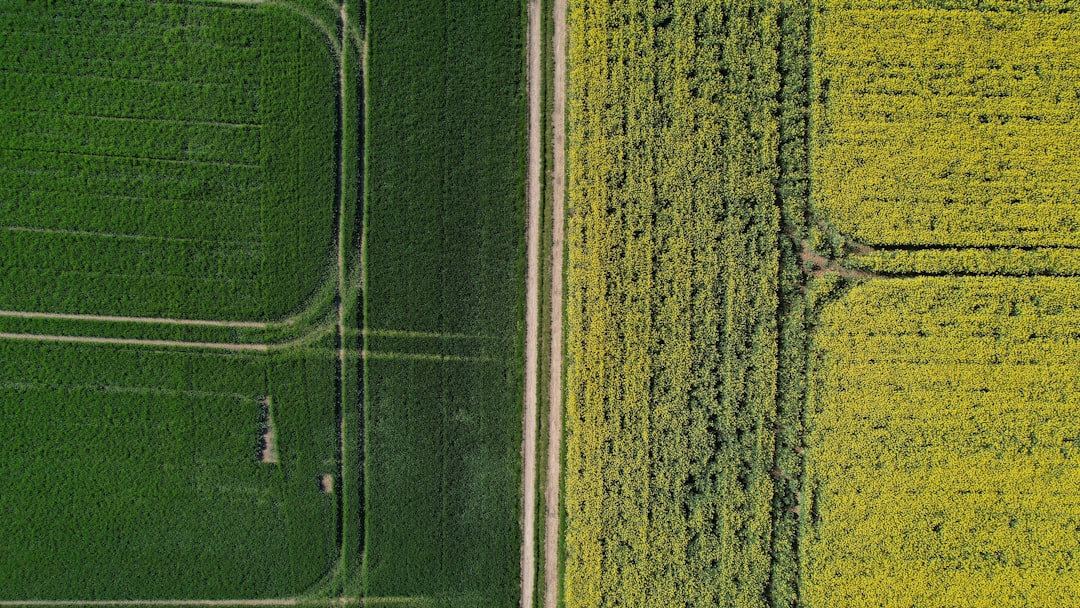
Digital mapping allows farmers to outline field boundaries using GPS or satellite imagery. Each field becomes its own data hub, storing planting dates, crop types, and input applications.
Accurate mapping enables:
- Precise acreage measurement
- Custom zone management
- Better comparison between fields
2. Crop Planning and Tracking
Farmers can record hybrid selections, planting populations, and seeding dates. As the season progresses, they track crop development stages and compare performance to historical averages.
This creates a detailed crop production timeline — invaluable during harvest and post-season review.
3. Input and Application Records
Accurate tracking of fertilizers, herbicides, and pesticides is critical for both profitability and regulatory compliance. Farm management tools allow growers to log:
- Product type and rate
- Application date
- Weather conditions
- Operator notes
Over time, these records reveal trends that guide smarter input decisions.
4. Weather and Satellite Monitoring
Many platforms integrate real-time weather data and satellite imagery. Farmers can view rainfall totals, temperature trends, and vegetation indices that highlight crop stress.
This timely visibility allows for early intervention when fields show signs of nutrient deficiency, pest damage, or drought stress.
5. Financial and Profitability Analysis
Perhaps the most powerful feature is financial integration. By linking operational data to costs and revenue, farmers can analyze profitability per field or per crop.
Instead of evaluating yields alone, they measure net return per acre — the true indicator of farm success.
Benefits of Using Agriculture Management Tools
The adoption of digital farm tracking delivers multiple strategic advantages:
Improved Decision-Making
Clear data replaces assumptions. Farmers can test strategies, measure results, and refine practices based on evidence.
Increased Efficiency
Tasks that once required hours of paperwork are automated. Reports can be generated instantly for lenders, crop insurance agents, or government programs.
Greater Accountability
Detailed logs ensure employees follow application protocols and equipment use is documented. This creates transparency across the operation.
Risk Management
Historical data provides insight into weather patterns and crop responses. This makes it easier to prepare for uncertainties in future seasons.
Real-World Applications on the Farm
To understand the impact of tools like FarmLogs, consider how they function throughout the farming cycle:
Pre-Planting Season
- Analyze last year’s yield maps
- Compare hybrid performance
- Set budget forecasts
- Plan input purchases
Planting Season
- Record actual planting dates
- Track seeding rates
- Document field conditions
Growing Season
- Monitor rainfall accumulation
- Track fertilizer and spray applications
- Use satellite imagery to assess crop vigor
Harvest Season
- Log yield data from combines
- Compare actual yield to projections
- Measure profit per field
This continuous data flow turns each season into a learning cycle. Every year builds upon the previous one.
Challenges and Considerations
While agriculture management tools offer impressive benefits, there are challenges to consider.
Learning Curve
Some farmers may feel intimidated by digital platforms. However, most modern tools are designed with user-friendly dashboards and mobile accessibility.
Data Accuracy
The system is only as effective as the data entered. Inaccurate records weaken the reliability of analysis.
Integration with Equipment
Compatibility between software and various machinery brands can sometimes be complex. Ensuring proper data synchronization is essential.
Despite these considerations, technological adoption continues to grow rapidly across agriculture sectors.
The Role of Precision Agriculture
Farm management tools are part of a broader movement toward precision agriculture. This farming philosophy relies on site-specific management — adjusting inputs and practices according to field variability.
With GPS-guided equipment, variable rate technology, and data analytics, farmers can apply fertilizer only where it’s needed, reduce chemical overlap, and limit waste.
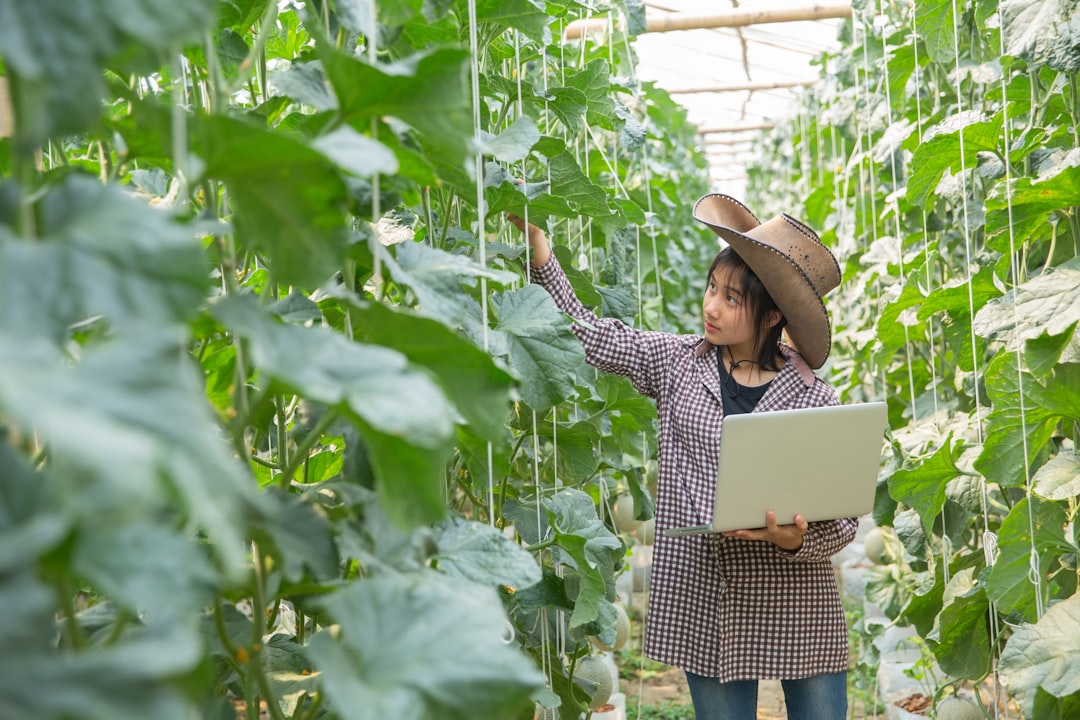
The synergy between hardware (like sensors and yield monitors) and software platforms creates a fully integrated ecosystem. Data collected by machines feeds directly into management dashboards for analysis.
The Financial Impact of Data-Driven Farming
Ultimately, the purpose of farm management software is to improve profitability. Even small efficiency improvements can produce significant results when multiplied across thousands of acres.
Consider the financial gains from:
- Reducing fertilizer overapplication
- Identifying consistently underperforming zones
- Optimizing planting populations
- Negotiating better financing with accurate records
Access to clearly organized reports also strengthens relationships with lenders and investors. Demonstrating consistent record-keeping and data-backed strategy builds credibility.
The Future of Agriculture Management Tools
The next evolution of platforms like FarmLogs includes artificial intelligence, predictive modeling, and automated insights. Instead of simply displaying historical data, systems will increasingly provide recommendations.
Future tools may:
- Predict yield outcomes based on early-season weather trends
- Suggest optimal planting windows
- Recommend hybrid selections based on soil profiles
- Automatically adjust budget projections as markets change
As connectivity improves in rural areas, cloud-based systems will become even more accessible. Mobile-first solutions ensure farmers can update and review data directly from the field.
Conclusion
Agriculture management tools like FarmLogs represent a fundamental shift in how farms are run. They transform scattered notes into organized intelligence and replace instinct-driven decisions with measurable performance metrics. In a business where margins can be thin and variables are vast, clarity is a competitive advantage.
By embracing digital tracking, farmers gain more than convenience — they gain control. Over time, data becomes one of the most valuable assets on the farm. And in modern agriculture, information is just as critical as soil, seed, and rain.