

In the fast-moving world of e-commerce, your logo is more than a visual mark — it’s your first impression, your digital storefront sign, and a powerful trust signal. Whether you’re launching a Shopify store, building an Amazon brand, or running a WooCommerce site, a professional logo can help you stand out in a crowded marketplace. Fortunately, you don’t need a massive budget or a design degree to create one.
TLDR: The best logo makers for e-commerce businesses combine ease of use, customization, scalability, and high-resolution downloads for digital and print use. Tools like Canva, Looka, Tailor Brands, and Wix Logo Maker offer beginner-friendly interfaces with powerful branding features. The right choice depends on your budget, customization needs, and whether you want a full brand kit or just a standalone logo. Below, we break down the top nine options and compare their strengths.
Before diving into individual tools, here’s a quick comparison to help you evaluate your options at a glance.
| Logo Maker | Best For | Pricing Model | Brand Kit Included | Ease of Use |
|---|---|---|---|---|
| Canva | Beginners & DIY branding | Free + Subscription | Yes | Very Easy |
| Looka | AI-powered branding | One-time + Subscription | Yes | Easy |
| Tailor Brands | Full business setup | Subscription | Yes | Easy |
| Wix Logo Maker | Wix store owners | One-time payment | Limited | Very Easy |
| Hatchful by Shopify | Shopify sellers | Free | No | Very Easy |
| LogoMaker | Quick logo downloads | One-time purchase | No | Easy |
| Placeit | Mockups & branding assets | Subscription | Yes | Easy |
| Squarespace Logo Maker | Minimalist brands | Free + Paid high-res | No | Very Easy |
| Fiverr Logo Maker | AI + designer refinement | One-time payment | Optional | Moderate |
1. Canva
Canva is one of the most versatile design platforms available today. While it’s known for social media graphics and presentations, its logo maker is especially useful for new e-commerce entrepreneurs.
Why it works for e-commerce:
- Thousands of customizable templates
- Easy drag-and-drop interface
- Brand kit with fonts and color palettes
- Seamless creation of banners, ads, and packaging
For store owners managing their own marketing, Canva offers a complete DIY ecosystem. You can design your logo and immediately apply it to email headers, Facebook ads, and product labels.
2. Looka
Looka uses artificial intelligence to generate logo concepts based on your style preferences, industry, and color choices. It’s ideal for entrepreneurs who want polished results quickly.
Standout feature: Automated brand kits that include business cards, social media assets, and brand guidelines.
For e-commerce brands competing on marketplaces like Amazon or Etsy, cohesive visuals can dramatically increase perceived trust. Looka makes consistency effortless.
3. Tailor Brands
Tailor Brands goes beyond logo creation. It offers a comprehensive branding solution that includes LLC formation services, website building, and social media tools.
Best for: Entrepreneurs starting from scratch who want everything in one place.
Their AI logo generator creates clean, modern designs. While customization isn’t as granular as advanced design software, it’s more than sufficient for most online stores.
4. Wix Logo Maker
If you’re already building your store on Wix, using their logo maker ensures brand alignment across your website.
The tool asks you a series of questions about your style preferences and generates tailored suggestions. After selecting one, you can customize fonts, icons, sizes, and colors.
Key advantage: Direct integration with your Wix website and marketing tools.
5. Hatchful by Shopify
Hatchful is Shopify’s free logo maker designed specifically for online sellers. It’s fast, simple, and requires no design experience.
Although it doesn’t offer advanced customization or full brand kits, it’s perfect for:
- Dropshippers testing new niches
- Side-hustle store owners
- Entrepreneurs validating product ideas
For a completely free solution, Hatchful delivers impressive quality.
6. LogoMaker
LogoMaker is one of the older players in the market, but it remains reliable for quick, no-fuss logo creation. With a massive icon library and customizable fonts, it’s easy to build something functional in minutes.
Why consider it?
- No subscription required
- Simple editing tools
- High-resolution downloads available
It’s not the most cutting-edge design platform, but it’s solid for entrepreneurs who want straightforward branding without added features.
7. Placeit
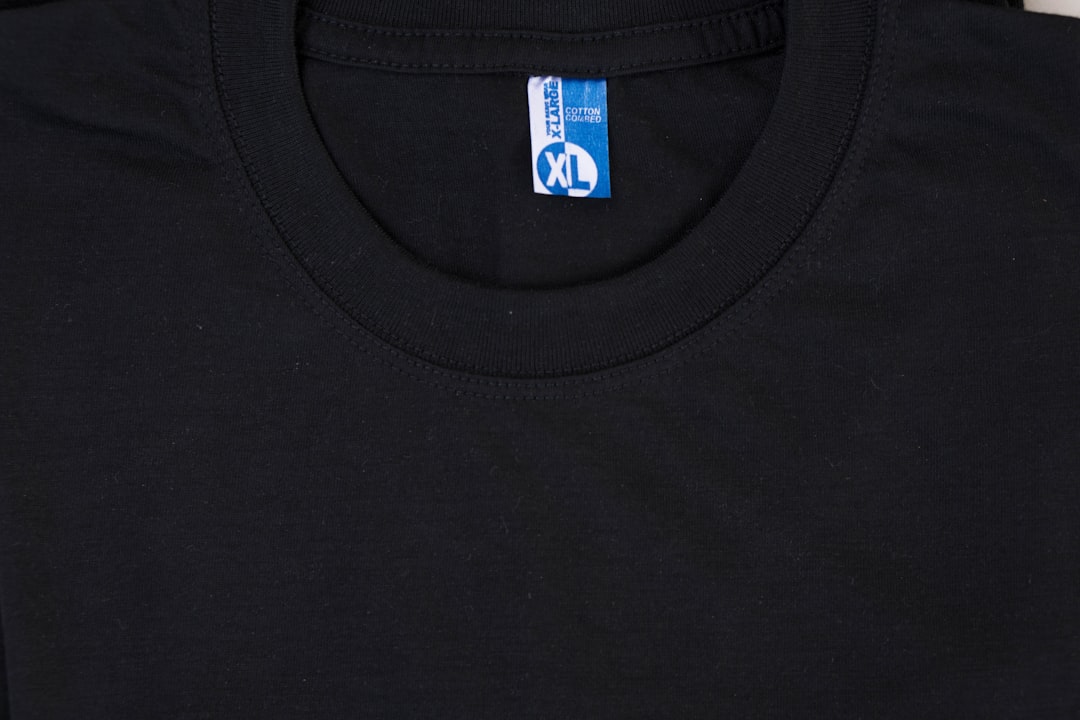
Placeit is particularly valuable for e-commerce businesses because it goes beyond logos. It allows you to instantly preview your logo on real-world mockups — from T-shirts and packaging to mobile screens.
Ideal for: Print-on-demand sellers and apparel brands.
You can design a logo and immediately see how it looks on merchandise, which is critical when branding physical products.
8. Squarespace Logo Maker
Squarespace’s logo maker embraces minimalism. It doesn’t rely on elaborate templates; instead, it combines typography with clean iconography.
Best suited for:
- Luxury brands
- Minimalist DTC stores
- Personal brands selling digital products
While customization is somewhat limited, the simplicity can actually be an advantage for modern e-commerce aesthetics.
9. Fiverr Logo Maker
Fiverr Logo Maker blends AI technology with human designer refinement. You answer a few questions, receive AI-generated concepts, and can optionally hire a designer to tweak your chosen logo.
This hybrid model makes it appealing for brands that want affordability with a touch of professional oversight.
How to Choose the Right Logo Maker for Your Store
Not every tool fits every business. Here are key factors to consider before making your decision:
1. Scalability
Will the platform provide vector files (SVG, EPS) so your logo can scale from favicon to billboard? For serious brands, this is non-negotiable.
2. Brand Consistency
If you plan to run paid ads, email campaigns, and social media promotions, a built-in brand kit can save countless hours.
3. Marketplace Requirements
Amazon, Etsy, and Walmart Marketplace often require high-resolution assets. Make sure your logo maker offers suitable formats.
4. Budget
Free tools are great for testing ideas. Subscription-based platforms often deliver better long-term value if you need ongoing branding materials.
What Makes a Strong E-commerce Logo?
A great logo isn’t just attractive — it communicates value and builds trust instantly.
Effective e-commerce logos are:
- Simple: Easy to recognize at small sizes
- Memorable: Distinct from competitors
- Versatile: Works in black and white
- Relevant: Aligns with your niche and audience
For example, tech brands often use clean sans-serif fonts to signal innovation, while organic product stores lean toward earthy tones and natural shapes.
Final Thoughts
The growth of online business has made branding more critical than ever. Your logo appears on your website header, packaging, email signatures, social profiles, paid ads, and sometimes even influencer collaborations. In many cases, it’s the deciding factor in whether a visitor trusts your store enough to make a purchase.
Fortunately, today’s logo makers eliminate the need for large design budgets. Whether you’re looking for a free solution like Hatchful, an AI-powered builder like Looka, or a full brand ecosystem like Tailor Brands, there’s an option tailored to your needs.
The best choice comes down to your goals:
- If you want flexibility and content creation tools, choose Canva.
- If you want AI-driven branding packages, try Looka.
- If you need ecommerce mockups with your logo, Placeit stands out.
- If you’re testing a new store with minimal investment, Hatchful is a smart starting point.
Ultimately, the most important thing isn’t which tool you choose — it’s that you create a logo that clearly represents your brand and resonates with your customers. In e-commerce, perception drives clicks, and clicks drive sales. A professional logo is the first step toward building a brand that lasts.