

AI is no longer an experimental layer on top of interface design; by 2026, it is becoming part of how teams generate concepts, document decisions, create prototypes, and collaborate across product, engineering, marketing, and research. While Figma remains a major platform in UI design, many teams are evaluating alternatives that combine AI-assisted workflows with stronger prototyping, handoff, whiteboarding, code integration, or enterprise collaboration needs.
TLDR: The strongest Figma AI alternatives in 2026 are not simply “design tools with prompts,” but platforms that help teams move faster from idea to validated interface. Uizard, Framer, Visily, Galileo AI, Motiff, Penpot, and UXPin each serve different use cases, from rapid wireframing to production-connected design systems. The best choice depends on whether your team prioritizes speed, collaboration, code accuracy, open source control, or advanced prototyping.
What Makes a Good Figma AI Alternative in 2026?
A serious alternative to Figma AI must do more than generate attractive screens. For professional teams, the real value comes from how well the tool supports the full product workflow: early ideation, design system usage, version control, stakeholder review, developer handoff, accessibility, and iteration after feedback.
When evaluating AI design platforms, consider the following criteria:
- Prompt-to-interface quality: Can the tool generate usable layouts, not just visually pleasing mockups?
- Collaboration features: Does it support comments, shared workspaces, permissions, and team review?
- Design system support: Can teams maintain consistency through components, tokens, and reusable patterns?
- Prototyping depth: Can designers create realistic flows, states, interactions, and responsive behavior?
- Developer handoff: Does it provide specs, code references, assets, or production-ready integration?
- Governance and security: Does it meet enterprise requirements for privacy, access control, and data handling?
1. Uizard
Uizard is one of the most accessible AI-powered UI design tools for teams that need to move quickly from concept to wireframe. It is particularly useful for founders, product managers, marketers, and non-design specialists who need to visualize an idea before involving a full design team.
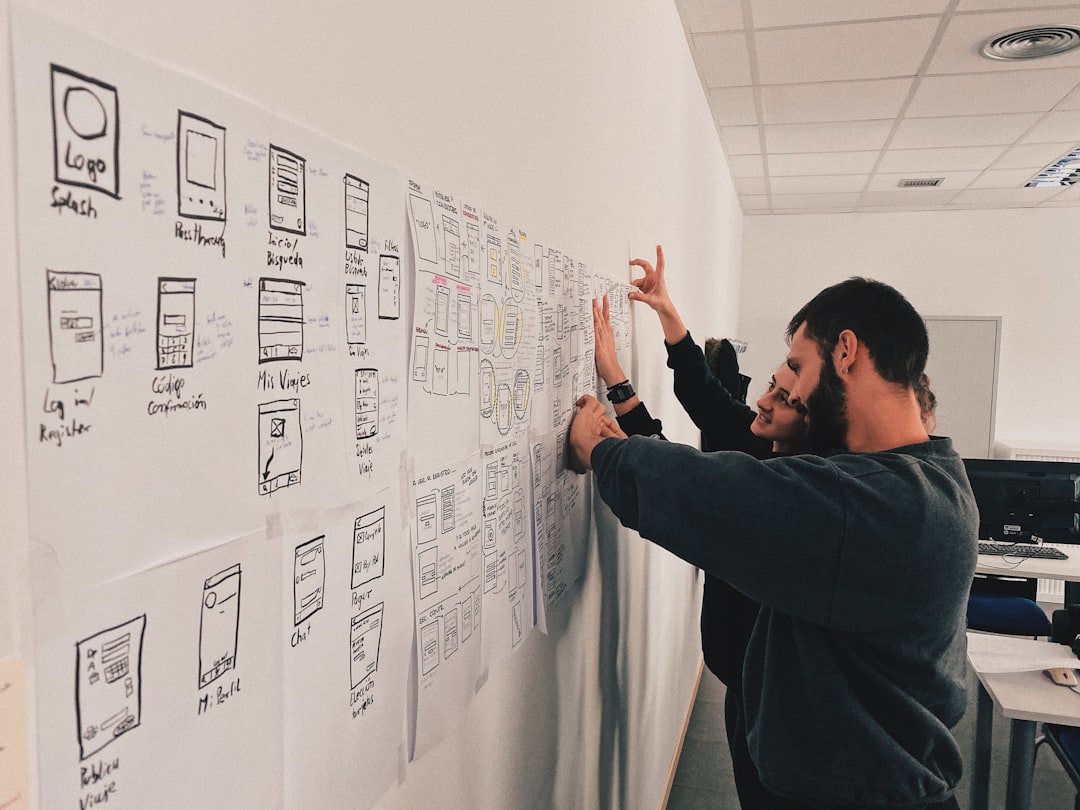
Its strongest capability is rapid generation. Users can describe an app or website concept in plain language and receive editable screens that can be refined into wireframes, mockups, or simple prototypes. Uizard also supports transforming hand-drawn sketches into digital interfaces, which remains valuable in workshops and discovery sessions.
Best for: early-stage ideation, low-fidelity prototypes, startup teams, product discovery, and quick stakeholder alignment.
Where it may fall short: Advanced design systems, complex interaction models, and production-grade handoff may require complementary tools. Uizard is strongest at the beginning of the design process rather than at the final production stage.
2. Framer
Framer is a strong option for teams that want AI-assisted design combined with fast publishing and high-quality responsive websites. Unlike tools focused only on static interface mockups, Framer is especially powerful when the desired output is a live website, landing page, portfolio, marketing page, or interactive product experience.
Framer’s AI capabilities can help generate page structures, copy, layouts, and visual concepts. Its biggest advantage is that designers can move from design to a published site without a long handoff process. This makes it attractive for growth teams, agencies, and product marketing groups that need to test pages quickly.
Best for: responsive websites, marketing pages, interactive prototypes, landing page testing, and teams that want to publish quickly.
Where it may fall short: Framer is less ideal for large application design systems with complex product workflows, especially when teams need extensive enterprise governance or deep integration with software engineering pipelines.
3. Visily
Visily is designed for fast collaborative wireframing and AI-supported product design, with an emphasis on making interface creation easier for non-designers. It is useful for product managers, business analysts, founders, and cross-functional teams that need to communicate requirements visually.
Visily can generate wireframes from text prompts, screenshots, templates, or rough ideas. This makes it helpful in environments where product documentation, user stories, and visual design often need to happen together. Its collaboration features support teams that want to review flows and screens without slowing down the early planning process.
Best for: product requirements, wireframing, business applications, SaaS dashboards, and cross-functional collaboration.
Where it may fall short: Designers seeking advanced visual refinement or highly customized motion may find it limiting compared with more mature design platforms. Visily performs best as a bridge between product thinking and UI structure.
4. Galileo AI
Galileo AI has gained attention for prompt-based UI generation that can produce polished screen concepts quickly. Instead of starting from a blank canvas, designers and product teams can describe the interface they want and use the generated results as a strong first draft.
The value of Galileo AI is its ability to accelerate visual exploration. Teams can use it to test different directions for onboarding flows, dashboards, mobile screens, ecommerce experiences, or SaaS tools. For designers, it can function as an inspiration engine and layout accelerator rather than a full replacement for disciplined UX thinking.
Best for: concept generation, visual ideation, mobile app screens, dashboard mockups, and accelerating early design exploration.
Where it may fall short: AI-generated screens still need human review for accessibility, usability, information architecture, and brand consistency. Galileo AI is most effective when used by teams that can critically evaluate and refine its output.
5. Motiff
Motiff is a serious Figma alternative for teams looking for a familiar interface design environment with AI-enhanced productivity and collaboration features. It is positioned for professional UI teams that need scalable design workflows, component-based systems, and multi-user collaboration.
Motiff’s AI features may help with repetitive design operations, layout suggestions, content generation, and workflow acceleration. Its broader appeal lies in combining these AI capabilities with a design environment that feels suitable for real product teams rather than only experimental prompt-based creation.
Best for: UI teams, design systems, collaborative product design, and organizations looking for a more direct Figma-style alternative.
Where it may fall short: As with any newer platform competing in a mature category, teams should test file compatibility, plugin availability, performance, and long-term ecosystem support before migrating fully.
6. Penpot
Penpot is different from many AI design tools because its core strength is not simply automation; it is open source design collaboration. For teams concerned about vendor lock-in, data ownership, transparent development, and self-hosting possibilities, Penpot is one of the most important alternatives to consider.
Penpot is built around open standards and collaboration between design and development teams. While its AI ecosystem may depend more on integrations, extensions, and emerging workflows than on a single built-in AI assistant, its long-term value is the control it gives organizations.
In 2026, this matters more than ever. Companies are becoming more cautious about where proprietary product plans, unreleased UI concepts, and user research data are processed. An open source platform can be attractive for government, education, healthcare, and security-conscious organizations.
Best for: open source teams, organizations needing self-hosting, design-to-development collaboration, and companies concerned about platform lock-in.
Where it may fall short: Teams seeking the most polished AI-native generation experience may need additional integrations. Penpot’s advantage is governance and openness, not necessarily the flashiest AI generation.
7. UXPin
UXPin is a strong alternative for teams that care deeply about realistic prototypes and design systems connected to code. Its Merge approach allows design teams to use production components in the design process, helping reduce the gap between mockup and implementation.
For mature product organizations, this can be more valuable than generating dozens of AI concept screens. If the main challenge is maintaining consistency across a large application, aligning designers and developers, and ensuring that interactive states behave realistically, UXPin deserves serious consideration.
AI can assist parts of the workflow, but UXPin’s deeper strength is structured, high-fidelity product design. It supports teams that need to test dynamic interactions, forms, conditional states, and component behavior more accurately than static design tools typically allow.
Best for: enterprise product teams, advanced prototyping, design systems, developer collaboration, and code-connected workflows.
Where it may fall short: It may feel heavier than lightweight AI wireframing tools. Teams focused mainly on quick visual ideation may prefer simpler platforms.
How to Choose the Right Tool
The best Figma AI alternative depends on the maturity and priorities of your team. A startup validating a new app idea does not need the same tool as an enterprise team maintaining a complex multi-platform product ecosystem.
- Choose Uizard if speed and simple idea visualization are the priority.
- Choose Framer if your team needs to design and publish responsive websites quickly.
- Choose Visily if product managers and non-designers need to create clear wireframes.
- Choose Galileo AI if you want fast, polished UI concepts from prompts.
- Choose Motiff if you want a professional collaborative UI design platform with AI features.
- Choose Penpot if open source control, self-hosting, and transparency matter most.
- Choose UXPin if your team needs realistic prototypes and code-connected design systems.
Final Thoughts
AI is changing UI design, but it is not removing the need for judgment, research, accessibility review, or strong product strategy. The most reliable teams in 2026 will use AI to accelerate routine work while keeping human responsibility at the center of design decisions.
A trustworthy Figma AI alternative should help your team create better interfaces, not simply create more screens. Before adopting any platform, test it with a real project, involve both designers and developers, review its collaboration model, and confirm that its AI features support your standards for privacy, quality, and maintainability.
Used carefully, tools like Uizard, Framer, Visily, Galileo AI, Motiff, Penpot, and UXPin can make UI design faster, more collaborative, and more connected to real product outcomes. The right choice is the one that fits your workflow, your governance needs, and your team’s ability to turn AI-generated ideas into thoughtful, usable digital experiences.