

Gamaya alternatives should be judged by one simple question: does the platform turn field data into clear actions fast enough to save money? Taranis is strong for visual crop scouting, CropX is strong for soil and irrigation decisions, and EOSDA is strong for satellite crop monitoring across large areas. That matters because agriculture accounts for about 70% of global freshwater withdrawals [source: World Bank].
TLDR: For a 2,000-hectare corn and soybean operation, EOSDA may flag weak vegetation zones across every field, CropX may show that two pivots can cut irrigation by 12%, and Taranis may confirm pest pressure with leaf-level imagery. The best choice depends on the job: satellite visibility, soil-based water control, or high-detail scouting. A farm focused on input savings should test CropX first, while an agronomy team managing many farms may prefer Taranis or EOSDA.
7 agricultural analytics platforms like Gamaya
Gamaya is known for crop intelligence, remote sensing, and field analytics. The seven platforms below sit in the same broad category, but they do not solve the same problem. Some are built for agronomists. Some are built for irrigation. Some are better for risk tracking, insurance, or multi-farm reporting.
- Taranis — high-resolution crop scouting and leaf-level insights.
- CropX — soil sensors, irrigation advice, and nutrient insights.
- EOSDA Crop Monitoring — satellite imagery, vegetation indices, weather, and field zoning.
- Climate FieldView — equipment data, yield maps, and seed performance tracking.
- Agworld — farm planning, field records, and agronomy collaboration.
- OneSoil — field monitoring, NDVI maps, and variable rate tools.
- Agrivi — farm management, traceability, and crop planning.
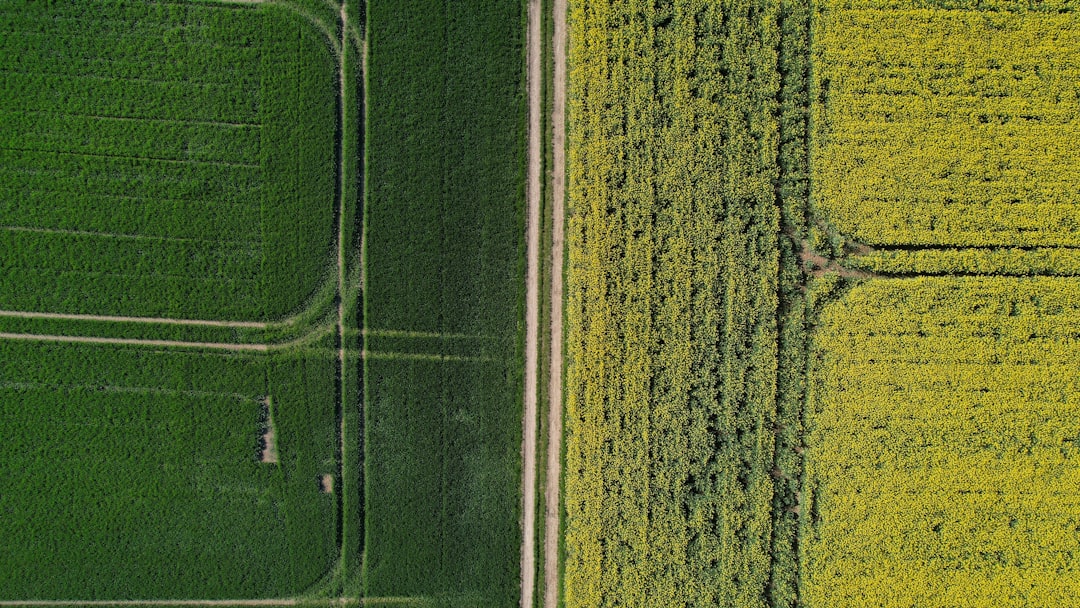
Taranis: best for crop scouting at high detail
Taranis focuses on visual intelligence. It uses aerial imagery, AI detection, and agronomic workflows to spot weeds, insects, disease, nutrient stress, and crop emergence issues. Its biggest strength is image detail. It can help agronomists see what is happening without walking every row.
This is useful for retailers, crop advisors, and large farms that need proof before sending teams into the field. The platform can reduce random scouting trips and help prioritize the worst blocks first.
Best fit: agronomy service teams, high-value crops, and large farms with repeat scouting needs.
Weak spot: it can feel too heavy for a smaller grower who only wants basic NDVI maps. Honestly, it feels like too much tool for too little problem if the farm is only checking crop vigor once every two weeks.
CropX: best for irrigation and soil decisions
CropX is different from Taranis. It is more focused on what happens under the crop. Its platform uses soil sensors, weather data, crop models, and irrigation advice. That makes it very useful in regions where water cost, pumping cost, or drought risk is a constant worry.
A farm manager can see soil moisture by depth, track crop water use, and decide when to irrigate. The system can also support nutrient and disease-related decisions, depending on the setup. Its value is clearest when water is expensive or limited.
Best fit: irrigated farms, vineyards, orchards, and farms under water restrictions.
Weak spot: sensor installation adds work. It gets annoying when a platform promises “simple setup,” but crews still need time to place probes correctly, check signal strength, and clean up bad readings.
EOSDA: best for satellite crop monitoring at scale
EOSDA Crop Monitoring is a strong option for farms, co-ops, insurers, traders, and food companies that need a wide view. It uses satellite imagery to track crop health, vegetation indices, weather, field productivity zones, and scouting tasks.
EOSDA works well when a user needs to watch many fields without visiting each one. It helps flag stress zones, compare fields, and monitor crop growth over time. It is also useful for planning variable rate applications and checking field history.
Best fit: large-acreage crop monitoring, remote field checks, crop portfolios, and early stress detection.
Weak spot: satellite imagery can be limited by clouds and revisit timing. The platform is useful, but a grower may still need drone, machine, or field scouting data to confirm the cause of poor crop performance.
Image not found in postmetaQuick comparison: Taranis vs CropX vs EOSDA
| Platform | Main strength | Best user | Common use case |
|---|---|---|---|
| Taranis | High-detail field imagery | Agronomists and crop advisors | Scouting for pests, weeds, disease, and emergence issues |
| CropX | Soil and irrigation analytics | Irrigated farms | Reducing water use and improving irrigation timing |
| EOSDA | Satellite-based crop monitoring | Large farms and ag businesses | Monitoring field health and spotting stress zones |
How the other four compare
Climate FieldView is strong when machine data matters. It helps connect planting, spraying, harvest, and yield maps. It is a good fit for growers who already collect equipment data and want better seed and field performance records.
Agworld is more about planning and teamwork. Agronomists can create recommendations, share jobs, and keep clean field records. It is less exciting than AI imagery, but the recordkeeping side can save serious admin pain.
OneSoil is useful for quick field checks, NDVI tracking, and variable rate planning. It suits cost-aware users who want a simple entry point into precision agriculture.
Agrivi focuses on farm management, compliance, costs, tasks, and traceability. It is a better fit for farms that care about operations and reporting as much as crop imagery.

Which platform should a farm choose?
A farm should pick based on the decision it needs to improve. If the goal is crop scouting accuracy, Taranis is the leading pick. If the goal is water savings, CropX has the clearest value. If the goal is monitoring many fields from one screen, EOSDA is the practical choice.
For mixed operations, the best setup may include more than one tool. For example, EOSDA can flag weak zones, CropX can explain whether water stress is part of the issue, and Taranis can confirm pest or disease pressure. That stack costs more, but it may prevent bad input decisions.
FAQ
What is the closest alternative to Gamaya?
EOSDA is close for satellite crop monitoring. Taranis is close for AI crop scouting and field intelligence.
Is Taranis better than CropX?
Not always. Taranis is better for visual scouting. CropX is better for soil moisture, irrigation timing, and water management.
Is EOSDA good for small farms?
Yes, if the farm wants affordable satellite monitoring and field health maps. Very small farms may find simpler NDVI tools enough.
Can these platforms reduce input costs?
Yes. They can help cut wasted water, fertilizer, sprays, and scouting time. Results depend on crop type, data quality, and whether the farm acts on the insights.
Do farms still need in-field scouting?
Yes. Analytics can flag a problem. A field visit often confirms the cause. The best results come when software and human agronomy work together.