

Search engine optimization has entered a new era. In 2026, ranking on a results page is no longer the only goal. With AI-driven search experiences, generative summaries, conversational engines, and multimodal results shaping how people discover information, traditional SEO tactics alone are no longer enough. Businesses that adapt to this AI-first search landscape are seeing stronger visibility, higher conversion rates, and more durable organic growth. Those that cling to outdated keyword tactics are fading from view.
TLDR: SEO in 2026 is about optimizing for AI-driven search, not just traditional rankings. Focus on topical authority, structured data, high-trust signals, user intent depth, and AI-friendly formatting. Build content ecosystems instead of isolated pages, and design your website to feed both search engines and generative AI systems. The strategies below are proven because they align with how modern AI search systems actually retrieve and summarize information.
1. Build Topical Authority, Not Just Keyword Pages
In 2026, AI search engines evaluate context and subject mastery rather than isolated keyword usage. Publishing 50 disconnected blog posts targeting individual keywords is far less effective than building structured content ecosystems that demonstrate comprehensive knowledge.
AI systems now cluster related content, evaluate semantic coverage, and prioritize domains that display breadth and depth across a subject area. This means your strategy should shift toward:
- Topic clusters: A central pillar page supported by in-depth subtopics.
- Semantic optimization: Cover related questions, entities, and concepts naturally.
- Internal linking logic: Guide both users and AI crawlers through your knowledge structure.
- Content updates: Refresh high-value pieces regularly to signal ongoing relevance.

For example, instead of writing one article about “email marketing,” build a content hub that includes automation workflows, list segmentation strategies, deliverability optimization, compliance laws, analytics interpretation, and AI personalization. When AI search models analyze your domain, they recognize subject authority rather than surface-level coverage.
Why it works: AI search systems prioritize sources that display consistent expertise across interconnected subtopics. Authority is measured synthetically, not just through backlink volume.
2. Optimize for AI Answer Engines and Generative Summaries
AI-powered search platforms often generate direct answers before users ever scroll. To remain visible, your content must be structured so it can be parsed, quoted, and summarized accurately.
This requires:
- Clear section headings that map directly to user questions.
- Concise answer blocks immediately following subheadings.
- Bullet-point explanations for scannability.
- Schema markup to help machines understand meaning.
Think of your content as something an AI assistant might pull a paragraph from to answer a user’s question. If your paragraph is vague, long-winded, or poorly structured, it is less likely to be selected.
Formatting now directly impacts visibility inside AI responses.

Additionally, integrate structured data types such as:
- FAQ schema
- How-to schema
- Article schema
- Product schema (if applicable)
Why it works: AI systems extract information more confidently from clearly segmented and machine-readable content. The easier your page is to parse, the more likely it appears in AI summaries and featured outputs.
3. Demonstrate Experience, Expertise, Authority, and Trust (E-E-A-T)
Trust has become central to ranking and AI citation. With misinformation concerns and AI hallucinations under scrutiny, search platforms are prioritizing sources that demonstrate verified credibility.
To strengthen your trust signals:
- Show author credentials clearly.
- Include professional biographies.
- Cite reputable sources.
- Earn high-quality backlinks from authoritative domains.
- Maintain transparent contact and company information.
In YMYL (Your Money or Your Life) niches—such as finance, health, or legal—credibility is not optional. AI systems apply stricter quality filters in these categories.
Case studies, proprietary research, and original data are especially powerful in 2026. AI systems reward unique contributions because they add informational value beyond generic summaries.
Why it works: AI search engines cross-evaluate credibility indicators across multiple data points. Demonstrable expertise reduces the risk signal and increases citation likelihood.
4. Align Deeply with Search Intent Layers
Intent is no longer binary (informational vs transactional). AI search models interpret nuanced user goals, context history, and conversational follow-ups.
Strong SEO in 2026 addresses multi-layered intent:
- Primary intent – Why is the user searching?
- Secondary intent – What might they need next?
- Contextual intent – What level of expertise do they likely have?
For example, a search for “best CRM software” may require:
- A comparison overview
- Pricing breakdowns
- Feature lists
- Implementation considerations
- Industry-specific recommendations
Fail to address these layers, and users bounce. Bounce behavior, dwell time, and engagement signals are heavily modeled by AI ranking systems.
Analyze:
- People Also Ask queries
- Conversational variations
- Community forums
- AI assistant follow-up suggestions
Why it works: AI models aim to fully resolve user queries. Content that satisfies layered intent reduces the need for additional searches—indicating high utility and relevance.
5. Invest in Technical SEO and Multimodal Optimization
While content strategy receives attention, technical infrastructure remains critical. AI-driven search crawls deeper and evaluates page performance more intelligently than ever.
Key technical priorities in 2026:
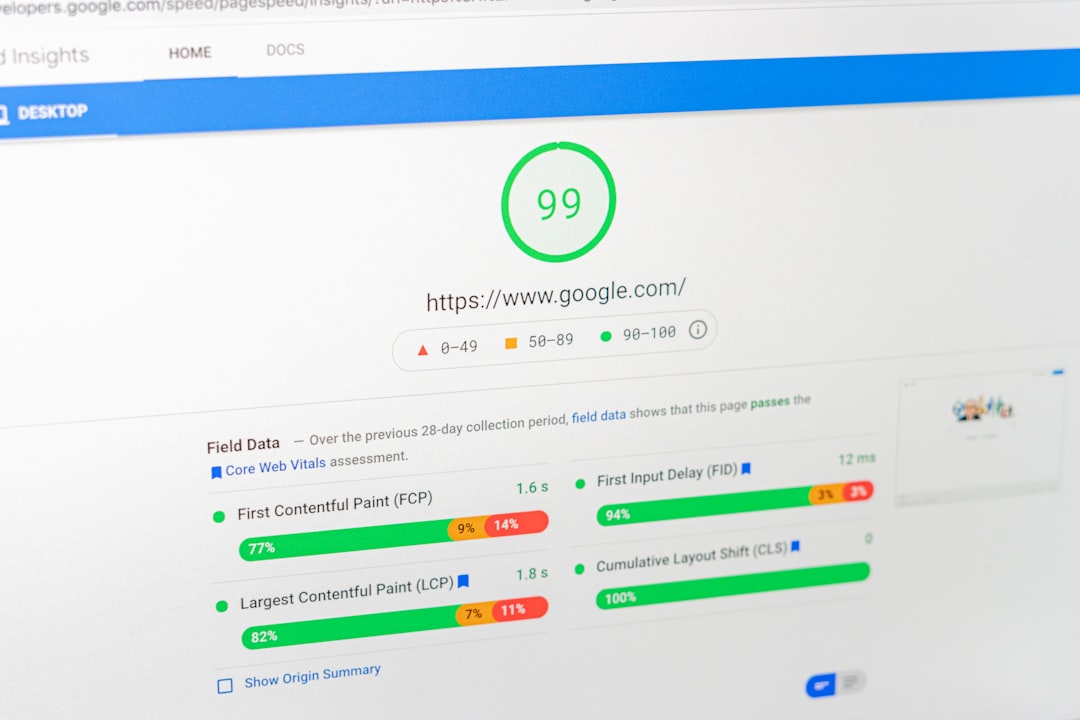
- Core Web Vitals optimization
- Mobile-first architecture
- Structured internal linking
- Image optimization with descriptive alt text
- Video transcripts and captions
- Semantic HTML markup
Multimodal search—where users combine text, voice, and images—continues to grow. Optimizing visual assets increases discoverability in AI-powered visual search tools.
For AI readability, simplicity matters. Clean HTML, minimal script blocking, and clear navigation increase crawl efficiency and parsing accuracy.
Why it works: AI systems reward technically stable, fast, well-structured environments that enhance user experience and machine interpretability simultaneously.
Top SEO and AI Optimization Tools in 2026
While strategy matters most, the right tools accelerate implementation. Below is a comparison of widely used platforms that support AI-era SEO.
| Tool | Primary Strength | Best For | AI Optimization Features |
|---|---|---|---|
| SEMrush | Keyword and competitor analysis | Market research teams | Intent modeling, SERP feature tracking |
| Ahrefs | Backlink intelligence | Authority building campaigns | Content gap analysis, link intersect reports |
| Screaming Frog | Technical site audits | Technical SEO professionals | Schema validation, crawl diagnostics |
| Surfer SEO | On-page semantic optimization | Content teams | Entity analysis, NLP-based recommendations |
| Google Search Console | Performance tracking | All websites | Search query insights, indexing diagnostics |
These tools do not replace expertise, but they provide data-driven insight into how AI systems interpret your site.
What No Longer Works
Understanding outdated tactics is just as important:
- Keyword stuffing
- Mass-produced AI content without editing
- Low-quality backlink schemes
- Thin affiliate pages
- Over-optimized anchor text patterns
AI systems detect manipulation patterns far more effectively than earlier algorithms. Sustainable SEO now requires strategic depth and credibility.
The Strategic Shift: From Ranking to Visibility Ecosystems
In 2026, SEO success is not measured by ranking positions alone. It is measured by:
- AI citation frequency
- Brand mentions in generative answers
- Click-through rates from rich results
- Engaged session duration
- Topical footprint across subject clusters
The future belongs to websites that behave like structured knowledge hubs rather than isolated content farms.
In summary: The five strategies that truly work today are building topical authority, optimizing for AI answer engines, strengthening trust signals, aligning deeply with search intent, and maintaining strong technical infrastructure. These are not short-term hacks. They are foundational principles aligned with how AI systems retrieve, evaluate, and present information.
SEO in 2026 rewards expertise, clarity, and structural intelligence. Organizations willing to evolve accordingly will not only rank—they will become trusted sources within AI-driven ecosystems.