

Modern product teams rely heavily on behavioral data to make informed decisions about user experience, feature prioritization, onboarding optimization, and revenue growth. While Mixpanel has long been a dominant player in the product analytics space, many organizations seek alternatives due to pricing, scalability limits, data governance needs, or feature preferences. Fortunately, the cloud analytics ecosystem has evolved significantly, offering robust platforms that rival or even surpass Mixpanel in certain areas. Choosing the right tool requires evaluating flexibility, depth of insights, integrations, and cost structure.
TLDR: Several powerful cloud analytics platforms offer strong alternatives to Mixpanel for product teams seeking deeper insights, better scalability, or more flexible pricing. Tools like Amplitude, Heap, PostHog, Pendo, and Google Analytics 4 provide advanced behavioral analysis, experimentation capabilities, and robust integrations. The right choice depends on your team’s maturity, data strategy, and growth objectives. Each platform has distinct strengths that cater to different product and business models.
Below are five leading cloud analytics tools that product teams frequently use as alternatives to Mixpanel, along with their core strengths and ideal use cases.
1. Amplitude
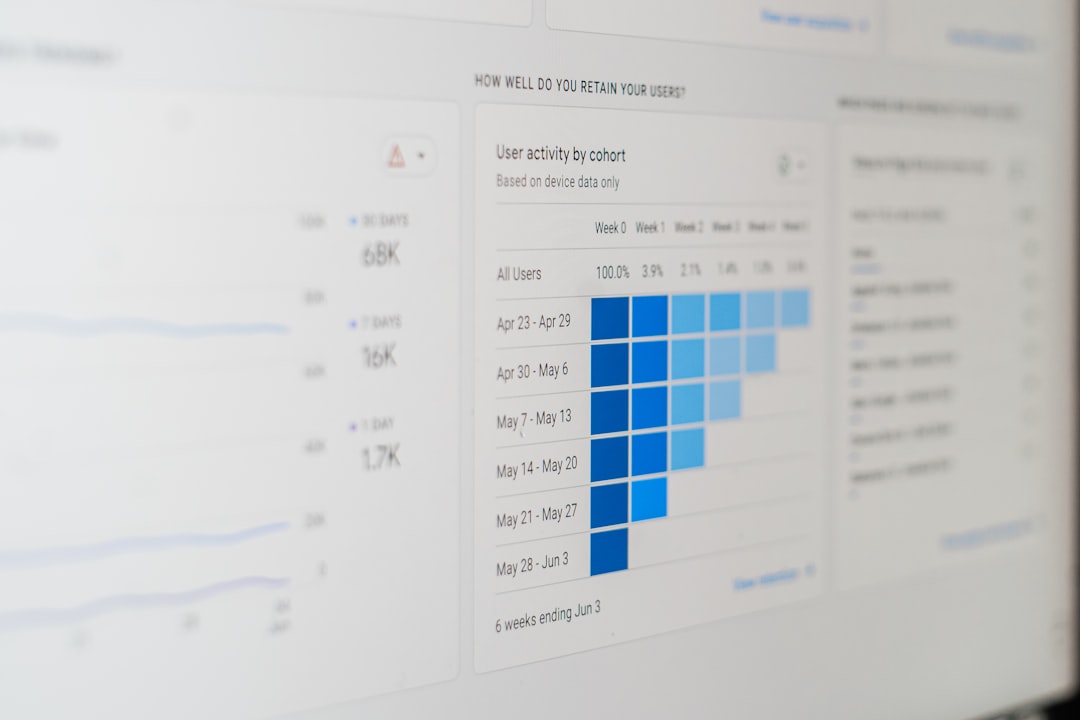
Amplitude is often considered the closest direct competitor to Mixpanel. It focuses heavily on product analytics and behavioral tracking while offering advanced segmentation, retention analysis, and predictive insights.
Key strengths:
- Behavioral Cohort Analysis: Deep cohort comparison and behavioral segmentation tools.
- Predictive Analytics: Built-in machine learning for churn prediction and conversion forecasting.
- Experimentation: Integrated A/B testing and feature experimentation capabilities.
- Scalability: Enterprise-ready infrastructure for high event volumes.
Why teams choose Amplitude: Organizations that require highly granular behavioral insights and advanced funnel breakdowns often gravitate toward Amplitude. It is particularly strong in identifying growth levers and optimizing feature adoption.
Considerations: Pricing can escalate with event volume, and implementation requires disciplined event planning to maximize value.
2. Heap
Heap differentiates itself with automatic event tracking. Instead of requiring teams to define every event manually, Heap captures user interactions by default, reducing implementation friction.
Key strengths:
- Auto-capture: Automatic tracking of clicks, form submissions, and page views.
- Retroactive Analysis: Define events historically without redeploying code.
- User Journey Mapping: Visual journey tools to identify friction points.
- Strong UX Optimization Focus: Designed for conversion rate and funnel improvements.
Why teams choose Heap: Product and growth teams that want immediate visibility into user behavior without heavy engineering involvement find Heap especially attractive. Its retroactive capabilities allow teams to ask new questions without waiting for new event instrumentation.
Considerations: While auto-capture is powerful, disciplined data governance is still necessary to avoid cluttered analytics environments.
3. PostHog
PostHog has gained significant traction among startups and developer-focused organizations. It offers product analytics alongside session recording, feature flags, experimentation, and data warehouse integrations — all within a single platform.

Key strengths:
- Open-Core Model: Self-hosted and cloud deployment options.
- Integrated Toolset: Combines analytics, feature flags, session replays, and surveys.
- Developer-Friendly: Strong API access and SQL querying capability.
- Transparent Pricing: Usage-based pricing with generous free tiers.
Why teams choose PostHog: Engineering-led teams prefer PostHog for its flexibility and control. Companies with strict data governance requirements may opt for self-hosting to maintain complete data ownership.
Considerations: While feature-rich, PostHog may require more technical oversight than tools designed primarily for non-technical stakeholders.
4. Pendo
Pendo bridges the gap between analytics and in-app user engagement. It provides behavioral analytics while also enabling product teams to guide users through walkthroughs, messaging, and onboarding flows.
Key strengths:
- In-App Messaging: Create guides, tooltips, and announcements.
- Product Usage Analytics: Track feature adoption and user engagement.
- Customer Segmentation: Target messaging based on behavior and attributes.
- Voice of Customer Tools: Polls and NPS measurement built in.
Why teams choose Pendo: Organizations that prioritize onboarding, feature adoption, and customer communication benefit from Pendo’s integrated engagement capabilities. It reduces the need for separate onboarding software.
Considerations: Pendo’s analytics are solid but sometimes less granular than highly specialized analytics-only platforms.
5. Google Analytics 4 (GA4)
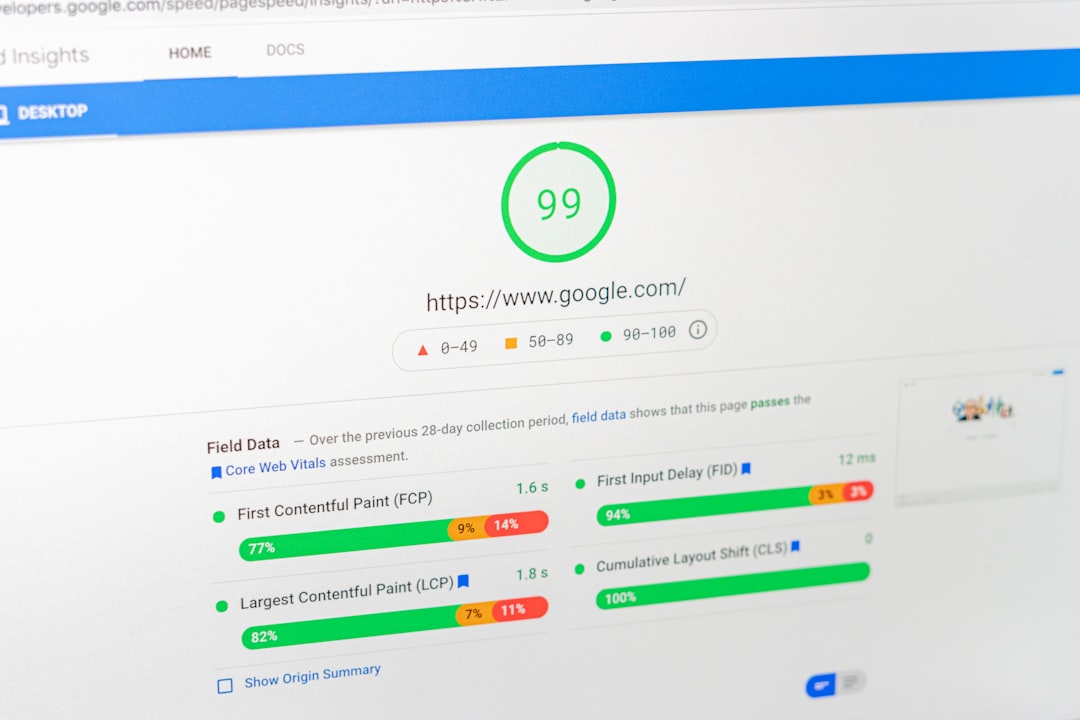
Google Analytics 4 is not traditionally viewed as a direct Mixpanel competitor, but its evolution into event-based tracking makes it a viable option for certain product teams — particularly those focused on marketing and acquisition funnels.
Key strengths:
- Event-Based Model: Flexible event-driven measurement.
- Deep Marketing Integrations: Native integration with Google Ads and marketing platforms.
- Cross-Platform Tracking: Web and app measurement in a unified view.
- Cost Efficiency: Free standard version with enterprise upgrade options.
Why teams choose GA4: Organizations heavily invested in the Google ecosystem find GA4 practical and cost-effective. It serves marketing-driven product teams particularly well.
Considerations: GA4 may lack some of the advanced behavioral cohorting and product-focused depth available in specialized platforms.
Comparison Chart
| Tool | Best For | Deployment | Analytics Depth | Unique Advantage |
|---|---|---|---|---|
| Amplitude | Growth-focused product teams | Cloud | Very High | Advanced behavioral cohorts and predictive insights |
| Heap | Rapid implementation teams | Cloud | High | Automatic event capture and retroactive analysis |
| PostHog | Developer-led organizations | Cloud and Self-hosted | Very High | All-in-one platform with full data control |
| Pendo | Customer onboarding and engagement | Cloud | Medium to High | Built-in in-app guidance and feedback tools |
| GA4 | Marketing-driven analytics | Cloud | Medium | Strong advertising and attribution integration |
How Product Teams Should Evaluate Alternatives
When considering alternatives to Mixpanel, product leaders should apply a structured evaluation framework:
- Data Ownership: Do you require self-hosting or warehouse-native integrations?
- Scalability: How does pricing evolve as event volume grows?
- Collaboration: Can non-technical stakeholders easily generate insights?
- Experimentation Capabilities: Are A/B testing and feature flags integrated?
- Integration Ecosystem: Does the platform connect seamlessly with your marketing, CRM, and data warehouse tools?
It is also wise to assess cultural fit. A highly technical analytics platform may offer superior flexibility but could slow down non-engineering teams. Conversely, tools designed for ease of use might sacrifice customization.
Final Thoughts
The cloud analytics landscape has matured far beyond simple event tracking. Today’s leading Mixpanel alternatives offer predictive modeling, integrated experimentation, real-time personalization, and flexible data governance options. Whether your team prioritizes deep behavioral insights, rapid deployment, cost efficiency, or customer engagement, there is a suitable solution available.
Amplitude excels in advanced product intelligence. Heap simplifies discovery through automatic capture. PostHog empowers technical teams with flexibility and control. Pendo combines analytics with guided experiences. Google Analytics 4 delivers cost-effective integration for marketing-centric strategies.
Ultimately, the right choice depends on your company’s growth stage, data maturity, and strategic priorities. A careful pilot evaluation, combined with long-term scalability assessment, will ensure your analytics investment drives measurable product outcomes and sustained competitive advantage.