


Dynamic QR codes have moved beyond the novelty stage. For restaurants, retailers, publishers, event organizers, nonprofit teams, and enterprise marketers, they are now part of the everyday infrastructure that connects offline audiences to digital experiences. The main advantage is simple but powerful: unlike static QR codes, dynamic QR codes can be edited after printing, and they can usually provide performance data such as scan counts, locations, devices, and campaign sources.
TLDR: The best dynamic QR code solution depends on how much control, analytics, branding, and compliance you need. For simple campaigns, tools such as Hovercode, QR.io, and The QR Code Generator may be enough; for larger teams, platforms such as Uniqode, Bitly, Flowcode, Scanova, and QR TIGER offer stronger tracking and management. Businesses should evaluate not only design and price, but also redirect reliability, data ownership, privacy controls, API access, and long-term vendor stability.

What Makes a Dynamic QR Code Platform Worth Considering?
A dynamic QR code does not store the final destination directly in the code itself. Instead, it points to a short redirect URL controlled by the provider. That means you can change the destination later, pause campaigns, run A/B tests, or route users based on conditions such as device type or language.
When comparing providers, serious buyers should look beyond the code generator interface. A trustworthy platform should offer stable redirects, clear analytics, exportable data, custom domains, branded short links, team permissions, and reasonable security practices. For regulated industries, privacy standards and compliance documentation may matter as much as visual customization.
14 Dynamic QR Code Solutions Compared
1. Bitly
Best for: teams that already use branded short links and need QR codes as part of link management.
Bitly is well known for URL shortening, and its QR code features fit naturally into that ecosystem. Users can create dynamic QR codes connected to trackable links, monitor engagement, and keep campaigns organized. Bitly is particularly useful for companies that want one central place for links, QR codes, and campaign performance.
Its strengths are reliability, brand recognition, and link analytics. However, organizations looking for advanced QR-specific features, such as complex landing page templates or deep physical campaign workflows, may need to confirm whether the available plan supports their exact use case.
2. Uniqode
Best for: enterprises and security-conscious organizations.
Uniqode, formerly known as Beaconstac, is a mature dynamic QR code platform with a strong focus on business use. It supports campaign management, custom domains, analytics, bulk creation, integrations, and enterprise controls. It is often considered by organizations that need QR deployment at scale across packaging, print media, events, or internal operations.
The platform stands out for its structured approach to governance, including role-based access and stronger administrative features. For small users, it may feel more advanced than necessary, but for larger teams it offers a serious, professional environment.
3. Flowcode
Best for: consumer brands, creators, and businesses that care about design and engagement.
Flowcode puts emphasis on visually branded QR codes and customer interaction. It is popular for marketing campaigns where the QR code itself needs to look polished on posters, packaging, merchandise, or TV placements. The platform also offers analytics and destination management.
Its advantage is a user-friendly experience with strong branding options. Companies with strict data or compliance requirements should review plan details and privacy documentation carefully, especially if QR codes are used for customer acquisition or lead capture.
4. QR TIGER
Best for: marketers who want many QR code types and flexible campaign tools.
QR TIGER offers a broad selection of dynamic QR formats, including URL, file, vCard, social media, app download, multi URL, and more. It is a versatile option for small businesses and marketing departments that need to experiment with different QR applications.
The platform includes analytics, design customization, bulk generation, and integrations on certain plans. Its wide feature set is useful, although buyers should compare plan limits carefully because scan volume, user seats, and advanced features may vary.
5. Scanova
Best for: professional marketing teams that need campaign structure and usability.
Scanova provides dynamic QR code creation, landing pages, lead generation forms, event ticketing uses, and analytics. It is designed for practical marketing applications, especially where teams need to create campaigns without relying heavily on developers.
One of Scanova’s strengths is its balance between ease of use and business functionality. It may not be the most minimalist tool, but it gives marketers a strong toolkit for campaigns that require more than a plain redirect.
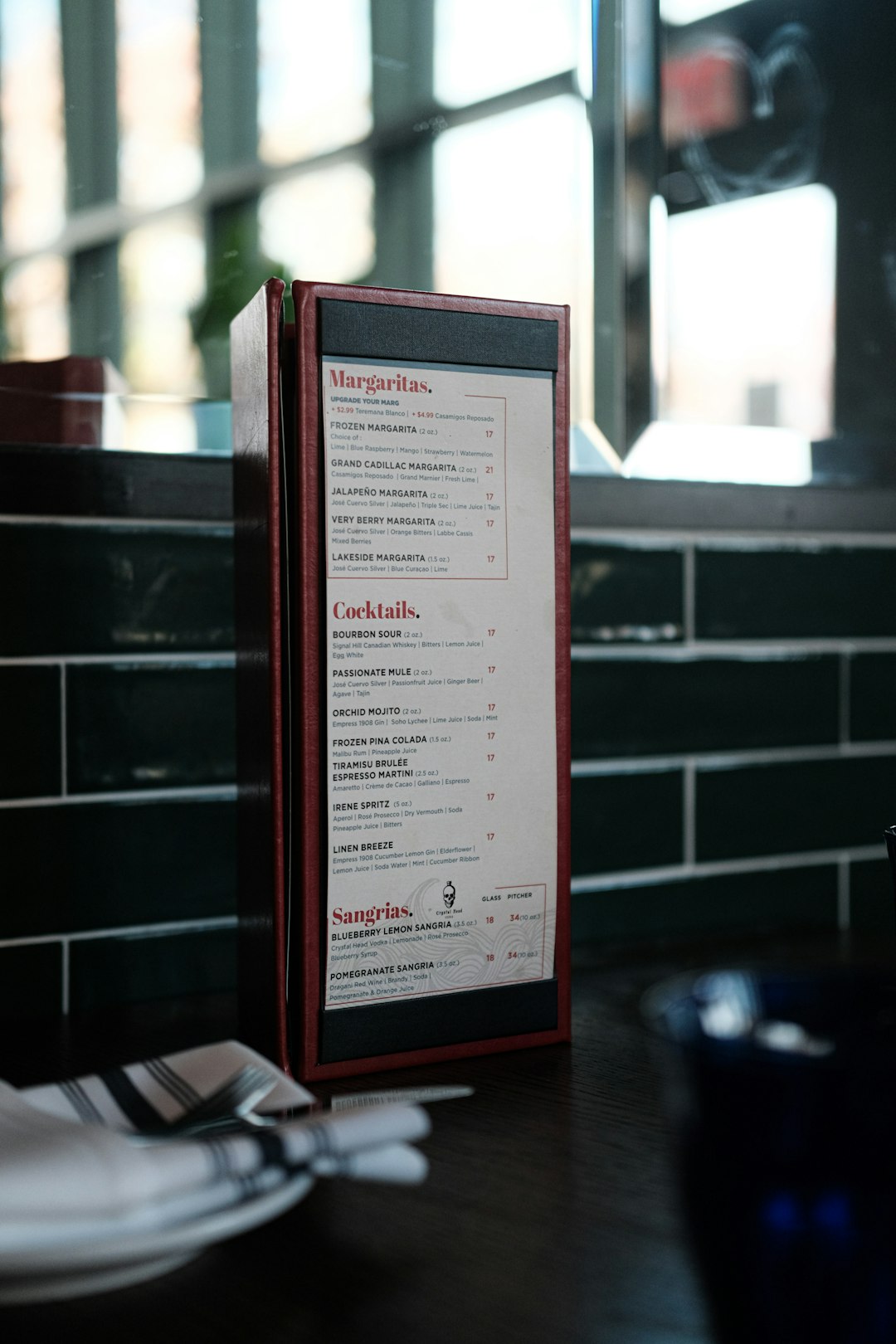
6. uQR.me
Best for: agencies and small businesses managing multiple QR campaigns.
uQR.me provides dynamic QR codes with editable destinations, analytics, and campaign organization. It supports several QR types and provides management tools for users who need more than one-off code creation.
The platform is practical and relatively straightforward. Agencies may appreciate the ability to manage client campaigns, while small businesses may find it useful for menus, flyers, coupons, and local advertising. As with all providers, long-term campaigns should be protected with custom domains where possible.
7. Hovercode
Best for: simple, clean dynamic QR code creation.
Hovercode is a streamlined QR code platform focused on ease of use. It allows users to create dynamic QR codes, customize their appearance, and track scans. It is a strong candidate for companies that want a clean interface without an enterprise-level learning curve.
Its simplicity is the main appeal. It may not offer the deepest analytics or most complex automation features compared with larger platforms, but for straightforward marketing campaigns it can be a dependable option.
8. Delivr
Best for: advanced tracking, packaging, and connected product experiences.
Delivr has a long history in QR code and mobile engagement technology. It is suitable for businesses that need more sophisticated campaign tracking, product-level engagement, or offline-to-online measurement.
Delivr is especially relevant when QR codes are part of a larger customer journey rather than a simple link. Its capabilities may appeal to organizations using QR codes in retail, manufacturing, logistics, or consumer packaged goods. Smaller teams should assess whether the platform’s depth is necessary for their needs.
9. Kaywa
Best for: users looking for an established QR provider with basic dynamic functionality.
Kaywa is one of the older names in the QR code space. It offers QR code creation and management, including dynamic options depending on the service level. Its longevity may appeal to users who prefer a provider with a track record.
Compared with newer platforms, its interface and feature set may feel less marketing-heavy. That can be positive for users who want a straightforward tool, but companies needing advanced dashboards, integrations, or modern collaboration features should compare carefully.
10. The QR Code Generator
Best for: fast creation with a low barrier to entry.
The QR Code Generator is widely used by individuals and small teams that need quick QR code creation. Depending on the selected features and account type, users can create dynamic QR codes, edit destinations, and see basic analytics.
Its strength is accessibility. It is useful for quick projects, small campaigns, and users who do not want a complicated setup process. For mission-critical printed materials, businesses should confirm dynamic editing, analytics retention, and account ownership before printing at scale.
11. Rebrandly
Best for: businesses focused on branded links and custom domains.
Rebrandly is primarily a branded link management platform, but QR codes can fit naturally into its workflow. If a company already uses branded short URLs, adding QR codes to those links can create a consistent tracking structure across print and digital channels.
The main advantage is link governance: custom domains, branded slugs, campaign organization, and performance analytics. It may not be the most QR-design-focused platform, but it is strong for organizations that treat QR codes as part of broader link infrastructure.
12. Short.io
Best for: technical teams and businesses that need flexible short link routing.
Short.io is another link management platform where QR codes can support campaign distribution. Its value lies in custom domains, link tracking, API access, and routing options. Businesses can use dynamic QR codes connected to short links and adjust destinations as campaigns evolve.
Short.io is particularly interesting for teams that want developer-friendly link control. However, if visual QR design, built-in QR landing pages, or physical campaign templates are priorities, a dedicated QR platform may be more convenient.
13. BL.INK
Best for: enterprise link tracking and controlled campaign management.
BL.INK focuses on link management for businesses, including branded links, analytics, governance, and integrations. QR codes can be used as another access point for those managed links, creating a reliable bridge between physical materials and measurable online destinations.
The platform is appropriate for companies that need control and oversight rather than casual code creation. Its strongest fit is in organizations where marketing, operations, and compliance teams all need confidence in how links are created, monitored, and maintained.
14. QR.io
Best for: small businesses and creators that want easy dynamic QR codes with useful templates.
QR.io offers dynamic QR code creation for websites, menus, social profiles, files, business cards, and other common uses. It is approachable and designed for users who want to launch quickly without building their own landing pages from scratch.
Its template-driven approach is useful for restaurants, freelancers, local shops, and event organizers. Larger organizations should examine analytics depth, user management, and export options before standardizing on it across many departments.
Key Comparison Factors
- Ease of use: Hovercode, QR.io, and The QR Code Generator are strong for simple workflows.
- Advanced analytics: Uniqode, Delivr, Bitly, BL.INK, and QR TIGER are stronger candidates for deeper reporting.
- Brand control: Bitly, Rebrandly, Short.io, and BL.INK are valuable when branded domains and link governance matter.
- Marketing versatility: Flowcode, Scanova, and QR TIGER offer many campaign-friendly options.
- Enterprise readiness: Uniqode, BL.INK, Delivr, and Bitly are more suitable for structured teams and scaled deployments.

Analytics and Tracking: What to Expect
Most dynamic QR code platforms report scan volume, time, device type, operating system, and approximate location. More advanced systems may support UTM parameters, campaign grouping, integrations with web analytics tools, and exports for business intelligence platforms.
However, analytics should be interpreted carefully. A scan is not the same as a conversion. Someone may scan a code but leave immediately, or multiple people may share one device. For serious measurement, QR analytics should be combined with landing page analytics, conversion tracking, CRM data, or point-of-sale outcomes.
Security, Privacy, and Longevity Matter
Dynamic QR codes create dependency on the provider’s redirect infrastructure. If the provider changes terms, disables an account, suffers downtime, or retires a feature, printed materials may be affected. This is why businesses should consider custom domains, clear account ownership, exportable data, and contractual guarantees for important campaigns.
Privacy is equally important. QR scans can reveal behavioral patterns, location trends, and device information. Organizations should disclose tracking where appropriate, avoid collecting unnecessary personal data, and ensure that lead forms or customer journeys comply with relevant privacy laws.
Which Solution Should You Choose?
For a small business creating a menu, flyer, or local promotion, a simple platform such as Hovercode, QR.io, or The QR Code Generator may be enough. For a marketing team running multiple campaigns, QR TIGER, Scanova, Flowcode, or Bitly may provide a better balance of usability and reporting. For enterprise environments, especially those requiring governance, compliance, and scale, Uniqode, Delivr, BL.INK, Rebrandly, or Short.io deserve closer evaluation.
The most serious mistake is choosing only by price or visual design. Dynamic QR codes are often printed on expensive, long-lived materials such as packaging, signage, brochures, product inserts, and event displays. Once those materials are distributed, the QR provider becomes part of the campaign’s infrastructure.
Final Recommendation
Before committing, create a test campaign with two or three shortlisted platforms. Check how quickly redirects work, how analytics are reported, whether data can be exported, how easy it is to update destinations, and whether the design remains scannable after customization. Also test the QR code on different phones, lighting conditions, print sizes, and surfaces.
Dynamic QR codes can be simple, but the right platform can make them strategically valuable. The best solution is not necessarily the one with the most features; it is the one that provides reliable scanning, credible analytics, appropriate privacy controls, and enough flexibility to keep your offline campaigns useful long after they are printed.