

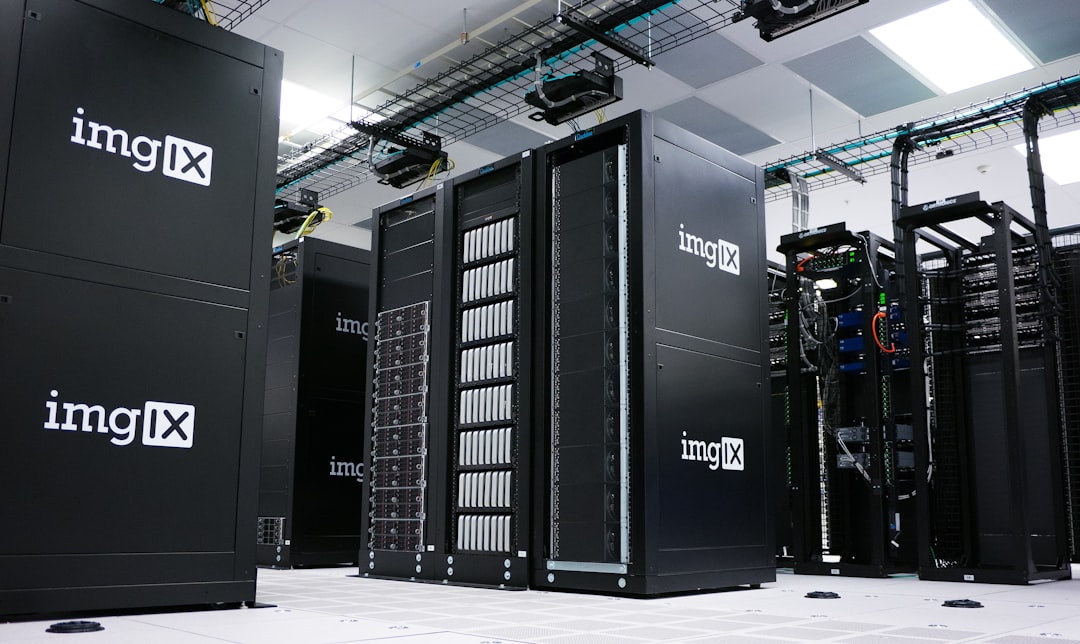
Security-focused websites require more than fast servers and responsive support. They demand hardened infrastructure, proactive monitoring, compliance readiness, and built-in protections against modern cyber threats. From eCommerce stores and financial platforms to healthcare portals and membership communities, managed hosting providers play a critical role in safeguarding sensitive data and ensuring uptime.
TLDR: Security-focused websites need managed hosting providers that offer proactive monitoring, firewalls, malware scanning, automated backups, and compliance support. The best providers combine strong infrastructure with dedicated support and scalability. This list highlights 12 top managed hosting companies known for security, reliability, and performance across various industries. Choosing the right one depends on your platform, traffic volume, and regulatory requirements.
What Makes a Hosting Provider Security-Focused?
A security-focused managed hosting provider typically includes:
- Web application firewalls (WAF)
- DDoS protection
- Automated daily backups
- Malware scanning and removal
- SSL certificates
- Server-level isolation
- Compliance support (PCI DSS, HIPAA, GDPR)
- 24/7 monitoring and incident response
Below are 12 of the best managed hosting providers that prioritize these features.
1. Liquid Web
Liquid Web is widely recognized for its enterprise-grade security and fully managed hosting solutions. It offers proactive threat monitoring, integrated firewalls, and server hardening as part of its managed VPS, dedicated, and cloud plans.
Security highlights include:
- ServerSecure advanced security layer
- Free SSL certificates
- DDoS attack prevention
- Automatic daily backups
Its support team is available 24/7 and known for rapid response times, making it suitable for mission-critical websites.
2. WP Engine
WP Engine specializes in managed WordPress hosting with strong emphasis on security. The platform automatically updates WordPress core files and applies real-time threat detection.

Key protections include:
- Managed WordPress updates
- Daily backups and one-click restore
- Proprietary intrusion detection system
- Free hacked site remediation
WP Engine is ideal for businesses that rely heavily on WordPress and need automated security management.
3. SiteGround
SiteGround offers managed hosting with built-in security features designed for small to medium-sized businesses. Its AI anti-bot system blocks millions of brute-force attempts daily.
- Custom WAF rules
- Daily backups
- Free CDN and SSL
- Real-time server monitoring
Its managed updates and isolation technology enhance overall account-level security.
4. Kinsta
Kinsta delivers managed WordPress hosting powered by Google Cloud’s premium infrastructure. It emphasizes container-based architecture, ensuring each website runs in its own isolated environment.
- Enterprise-level firewalls
- DDoS detection
- Daily automatic backups
- Uptime monitoring every 2 minutes
This makes Kinsta a strong choice for high-traffic websites prioritizing speed and safety.
5. Cloudways
Cloudways provides managed cloud hosting while allowing users to choose underlying providers such as AWS or Google Cloud. It combines flexibility with managed security features.
- Dedicated firewalls
- Automated backups
- Bot protection
- Two-factor authentication
Cloudways appeals to growing businesses that want scalable security without hands-on server management.
6. A2 Hosting
A2 Hosting offers managed hosting plans with a focus on speed and reinforced security. Its “Perpetual Security” initiative includes continuous updates and vulnerability patching.
- DDoS protection
- Dual firewalls
- Malware scanning
- Free SSL certificates
It is a balanced option for businesses that need affordability alongside strong defensive features.
7. InMotion Hosting
InMotion Hosting provides managed VPS and dedicated hosting with layered security systems. Its proactive monitoring system detects anomalies before they escalate.
- Free SSL and hack protection
- Automated backups
- DDoS defense
- Advanced firewall configurations
This provider works well for medium-sized businesses and eCommerce operations.
8. Nexcess
Nexcess, a subsidiary of Liquid Web, specializes in managed hosting for WordPress, WooCommerce, and Magento. Its infrastructure is tuned for performance and security.
- PCI-compliant hosting options
- Automated backups
- Auto-scaling during traffic spikes
- Real-time malware monitoring
eCommerce stores handling payment data can particularly benefit from Nexcess’ security controls.
9. Pantheon
Pantheon offers managed hosting tailored to WordPress and Drupal websites. Its WebOps platform integrates development workflows with robust security infrastructure.
- HTTPS enforcement
- Container-based isolation
- Automated platform updates
- Global CDN
Pantheon is particularly useful for agencies managing multiple high-security client websites.
10. DreamHost
DreamHost provides managed hosting solutions backed by strong encryption practices and built-in security automation.
- Free SSL certificates
- Daily backups
- Domain privacy protection
- 24/7 monitoring
Its managed WordPress hosting offers simplicity while maintaining reliable protective features.
11. GreenGeeks
GreenGeeks combines environmentally conscious hosting with proactive security technologies.
- Real-time security scanning
- Custom firewall rules
- Isolation accounts
- DDoS protection
While eco-friendly branding is its highlight, security remains a strong part of its managed services.
12. ScalaHosting
ScalaHosting stands out with its proprietary SShield security system, which actively blocks suspicious activity.

- AI-based threat detection
- Automated daily backups
- Dedicated firewalls
- Custom security patches
Its managed VPS hosting offers an appealing combination of affordability and high-level protection.
How to Choose the Right Security-Focused Hosting Provider
Choosing the right provider depends on several key factors:
- Compliance requirements: Healthcare and finance sites may require HIPAA or PCI-compliant hosting.
- Traffic levels: High-traffic websites need scalable cloud infrastructure.
- Platform compatibility: Ensure support for WordPress, Magento, Drupal, or custom applications.
- Support responsiveness: Immediate assistance during incidents is crucial.
- Backup frequency: Daily or real-time backups minimize data loss risks.
Ultimately, the best provider is one that balances performance, scalability, and proactive threat mitigation within your budget.
Frequently Asked Questions (FAQ)
1. What is managed hosting?
Managed hosting is a service where the provider handles server maintenance, security updates, monitoring, backups, and technical optimization, allowing website owners to focus on their business operations.
2. Why is security-focused hosting important?
Security-focused hosting protects sensitive data, prevents downtime, reduces the risk of cyberattacks, and helps maintain trust with users and customers.
3. Do managed hosting providers guarantee protection from all cyberattacks?
No provider can guarantee total immunity. However, strong managed hosting significantly reduces risks through proactive protection, monitoring, and rapid response systems.
4. Is managed hosting worth the higher cost?
For businesses handling sensitive data or generating revenue online, the added security, support, and performance optimization often justify the investment.
5. Which hosting type is most secure?
Managed dedicated and managed cloud hosting generally offer the highest security due to isolated resources and advanced configuration controls.
6. Do I still need additional security plugins?
In many cases, managed hosting reduces the need for extra tools. However, application-level security plugins may add another protective layer.
7. How often should website backups occur?
Daily backups are standard, but high-traffic or transactional websites may benefit from real-time or multiple daily backups.
Selecting one of these 12 best managed hosting providers can significantly strengthen a website’s defense against modern threats while ensuring uptime, performance, and long-term scalability.