

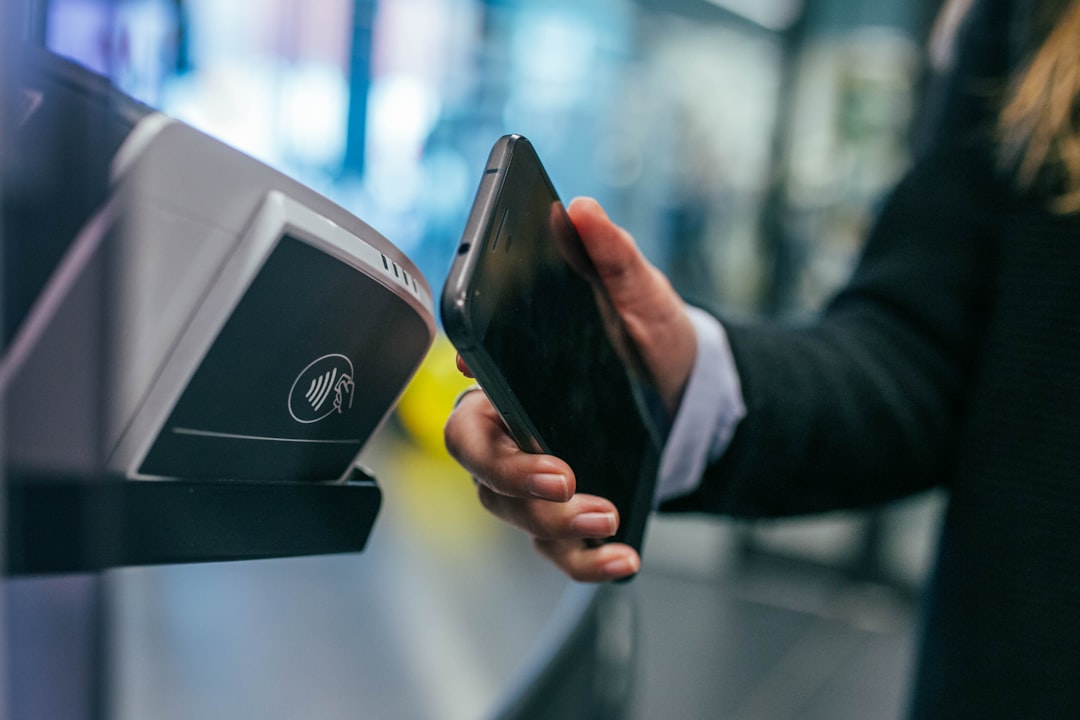
For small businesses in 2026, mobile payments are no longer a convenience feature; they are part of the basic operating infrastructure. Customers expect to pay by card, digital wallet, tap to pay, QR code, invoice link, or saved online checkout account. The right provider should help you accept payments quickly, protect customer data, manage cash flow, and avoid unnecessary complexity as your business grows.
TLDR: The best mobile payment option depends on how and where you sell. Square is the strongest all-around choice for many small businesses, while Stripe is best for online-first companies and developers. Shopify POS suits retailers, Toast is built for restaurants, and providers like PayPal, Clover, and SumUp offer practical alternatives depending on budget, hardware needs, and customer preferences.
What to Look for in a Mobile Payment Provider
Before choosing a provider, compare more than the advertised transaction fee. A serious decision should consider total cost, reliability, payout speed, fraud controls, hardware quality, software tools, integrations, and customer support. A slightly higher processing rate may be worthwhile if the system reduces errors, improves checkout speed, or gives you better reporting.
- In-person payment support: Tap to pay, chip cards, contactless cards, Apple Pay, Google Pay, and other wallets.
- Online payment tools: Payment links, invoices, ecommerce checkout, subscriptions, and stored customer profiles.
- Transparent pricing: Clear processing fees, hardware costs, chargeback policies, and monthly software fees.
- Operational tools: Inventory, staff permissions, tipping, taxes, discounts, receipts, and reporting.
- Security: PCI compliance support, encryption, fraud detection, and account protection policies.
1. Square: Best Overall for Small Businesses
Square remains one of the most practical mobile payment platforms for small businesses because it combines simple hardware, easy setup, and strong point-of-sale software. It is especially useful for service providers, pop-up shops, food vendors, salons, studios, and small retailers that want to start accepting payments without a complicated merchant account process.
Square’s major advantage is its all-in-one ecosystem. Businesses can accept in-person payments, send invoices, build basic online ordering pages, track inventory, manage staff permissions, and review sales analytics from one dashboard. Its mobile card readers and terminals are widely recognized, and the interface is generally accessible for non-technical users.
Best for: Small businesses that want a balanced, reliable, easy-to-use payment system with room to grow.
2. Stripe Terminal: Best for Online-First Businesses
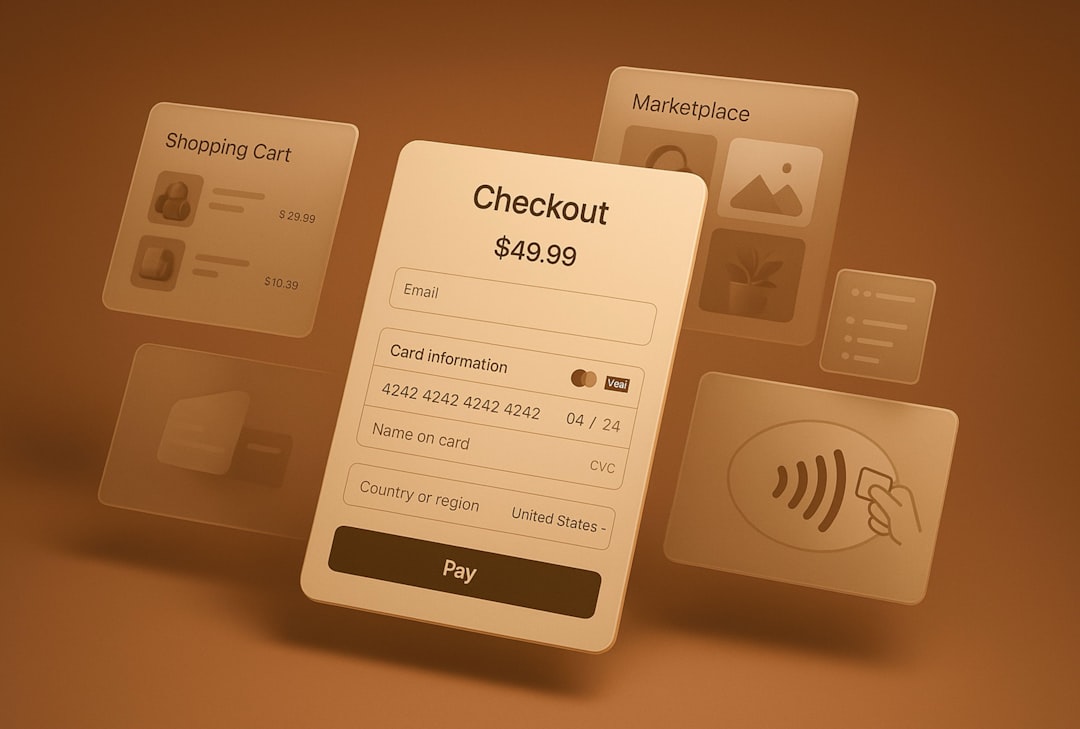
Stripe is widely respected for online payments, and Stripe Terminal extends that infrastructure into in-person transactions. This makes it a strong option for businesses that operate across websites, apps, subscriptions, marketplaces, or custom booking platforms.
Stripe is particularly valuable if your business needs advanced checkout customization, recurring billing, international payment support, or developer-friendly tools. Its reporting and payment infrastructure are sophisticated, but it may feel less plug-and-play than Square or SumUp for a very small business with no technical support.
Best for: Ecommerce brands, software-enabled businesses, subscription companies, and service firms with online and offline sales.
3. PayPal Zettle: Best for PayPal-Friendly Customers
PayPal Zettle is a solid mobile payment choice for businesses whose customers already trust and use PayPal. It supports in-person card payments through mobile readers and connects naturally with PayPal’s broader payment network, including online checkout and invoicing.
The biggest advantage is customer familiarity. Many buyers already have PayPal accounts, which can reduce friction for online or remote transactions. For small businesses that sell at events, accept occasional in-person payments, or combine invoice payments with card reader sales, PayPal Zettle can be a sensible and recognizable option.
Best for: Freelancers, market vendors, small service businesses, and sellers who already use PayPal for online payments.
4. Clover: Best for Businesses That Need POS Flexibility
Clover is a broader point-of-sale platform with a range of hardware options, from compact mobile readers to full countertop systems. It can be a good fit for businesses that want more structure than a basic mobile payment app but do not need a fully custom payment stack.
Clover’s strengths include hardware variety, employee management, customer engagement tools, reporting, and app marketplace options. However, pricing and processing arrangements can vary depending on where you purchase the system, so it is important to review contract terms, monthly fees, and cancellation conditions carefully before signing.
Best for: Retail stores, appointment-based businesses, and growing companies that want more advanced POS tools.
5. Shopify POS: Best for Retailers Selling Online and In Store
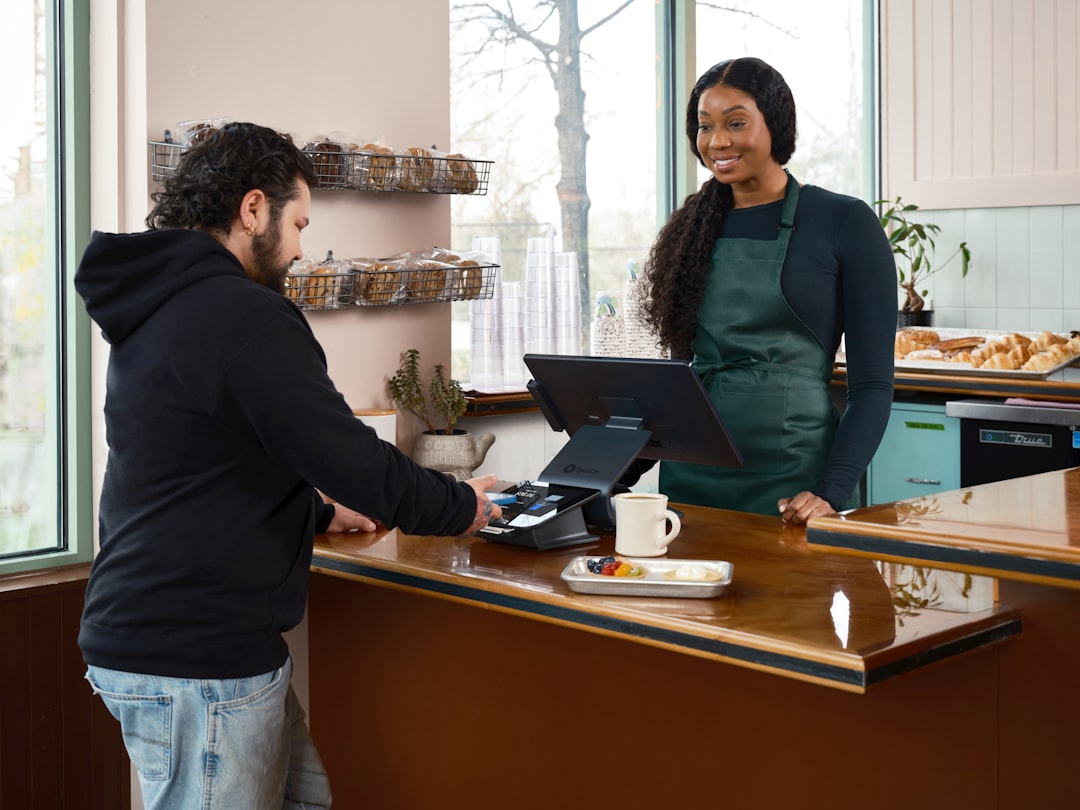
Shopify POS is a strong option for retailers that already use Shopify or plan to build their sales around ecommerce and physical retail together. It connects inventory, customer profiles, discounts, gift cards, and orders across online and in-person channels.
For a small retailer, this unified view is highly valuable. Staff can see product availability, process returns more easily, and maintain consistent pricing across channels. Shopify POS is not necessarily the cheapest option for every business, especially after considering subscription plans and add-ons, but it can reduce operational friction for serious retail sellers.
Best for: Boutiques, specialty retailers, direct-to-consumer brands, and businesses that sell through both ecommerce and physical locations.
6. SumUp: Best for Simple, Low-Complexity Payments
SumUp is often attractive to very small businesses that want straightforward mobile card acceptance without a large software stack. Its hardware is typically compact, and its service is designed for quick setup and simple daily use.
SumUp is a good fit if you mainly need to take card and contactless payments at markets, appointments, deliveries, classes, or small counters. It may not offer the same depth of integrations, ecommerce tools, or advanced reporting as larger platforms, but that simplicity can be an advantage for owners who want fewer moving parts.
Best for: Sole traders, mobile professionals, seasonal sellers, and microbusinesses that need reliable basic payment acceptance.
7. Toast: Best for Restaurants and Food Service
Toast is built specifically for restaurants, cafes, bars, food trucks, and hospitality businesses. While it is more specialized than general mobile payment providers, that specialization matters. Food service businesses need tools for tables, menus, modifiers, tips, kitchen workflows, online ordering, and staff roles.
Toast’s mobile payment features are most valuable when combined with its restaurant POS system. Servers can take orders and payments tableside, managers can review sales by menu item, and operators can connect ordering and payment data more effectively. It may be more than a simple vendor needs, but for a growing food business, it can be a serious operational platform.
Best for: Restaurants, cafes, bars, quick-service locations, and food businesses that need industry-specific tools.
How to Choose the Right Option
The best choice depends on your sales model. If you want a dependable general-purpose system, Square is the safest starting point for many small businesses. If your business is digital-first and needs powerful online payments, Stripe is difficult to beat. If you run a retail brand, Shopify POS may provide the cleanest connection between online and physical sales.
For entrepreneurs who want basic acceptance with minimal complexity, SumUp is worth considering. If customer familiarity with PayPal matters, PayPal Zettle is practical. If you need more POS hardware and software flexibility, Clover deserves a close look. For restaurants and hospitality, Toast is often the most relevant because it is designed around food service operations rather than generic checkout.
Final Recommendation
Do not choose a mobile payment provider only because it has the lowest visible fee. Instead, calculate the real monthly cost based on your expected sales volume, hardware needs, refunds, chargebacks, subscriptions, and staff requirements. Also consider how the system will feel during your busiest moments, because payment delays directly affect customer experience.
For most small businesses in 2026, the strongest approach is to select a payment platform that matches today’s workflow while leaving room for tomorrow’s growth. A reliable mobile payment provider should make transactions easier, reporting clearer, and operations more professional. When chosen carefully, it becomes more than a way to accept money; it becomes a central part of how your business serves customers and manages revenue.