

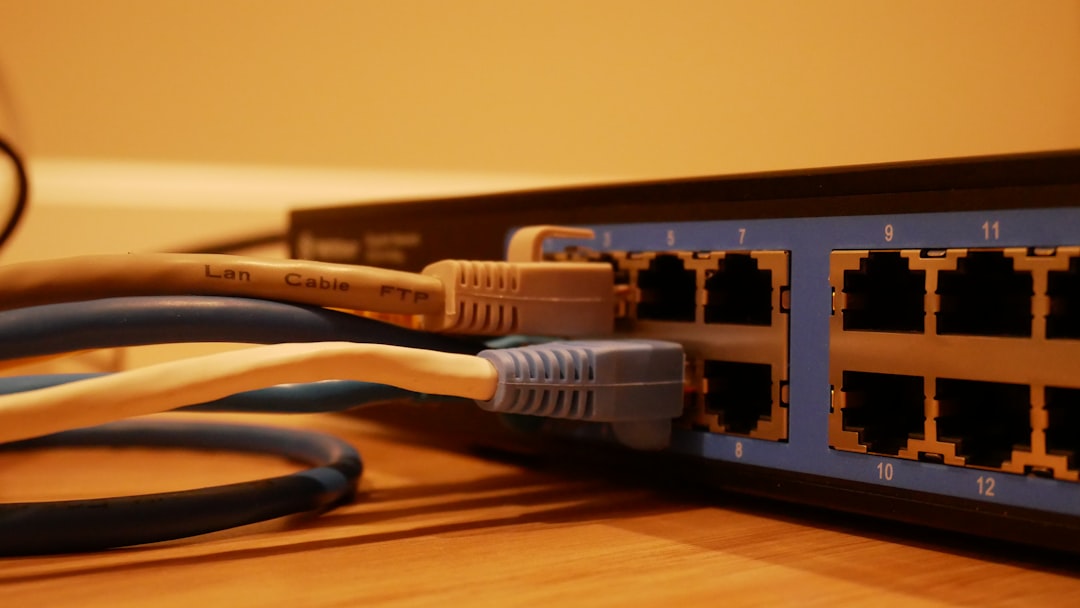
In computer networking, Media Access Control (MAC) refers to the methods used to decide how devices share a communication medium. When multiple devices attempt to transmit data over the same cable, radio channel, or network segment, a MAC method determines who may transmit, when transmission may occur, and how conflicts are handled. These controls are essential for reliable communication in Ethernet, Wi Fi, cellular systems, industrial networks, and many other digital communication environments.
TLDR: Media Access Control methods manage how devices share a network medium without causing excessive interference or data collisions. The main types include contention based access, controlled access, and channelization based access. Each type has different strengths depending on network size, traffic patterns, latency requirements, and reliability needs. Modern networks often combine several MAC techniques to balance efficiency, fairness, and performance.
What Media Access Control Does
The MAC layer is part of the data link layer in the OSI model. Its role is to coordinate access to a shared transmission medium and to frame data for delivery between devices on the same local network. In practical terms, it prevents devices from speaking over one another in ways that make communication unusable.
Without MAC rules, a shared network would experience constant interference. For example, if several wireless devices transmitted at the same time on the same frequency, their signals could overlap and corrupt each other. A MAC method provides order by defining how devices detect availability, reserve time, take turns, or divide the medium into separate channels.
Main Types of Media Access Control
MAC techniques are commonly grouped into three broad categories:
- Contention based access, where devices compete for the medium.
- Controlled access, where devices transmit according to permission or scheduling.
- Channelization, where the medium is divided into separate portions for simultaneous use.
Each category solves the same basic problem in a different way. The best choice depends on whether the network values simplicity, speed, predictable delay, fairness, or high capacity.
1. Contention Based MAC
Contention based MAC allows devices to compete for the right to transmit. No single controller assigns turns in advance. Instead, each device follows a set of rules to determine whether the medium appears free and what to do if a collision or conflict occurs.
CSMA/CD
Carrier Sense Multiple Access with Collision Detection (CSMA/CD) was widely used in traditional shared Ethernet networks. In this method, a device first listens to the medium. If no transmission is detected, it sends data. If two devices transmit at nearly the same time, a collision occurs. The devices detect the collision, stop transmitting, wait for a random backoff period, and then try again.
CSMA/CD was effective for early wired Ethernet using hubs and shared coaxial cables. However, it is rarely relevant in modern switched Ethernet because switches create separate collision domains, allowing full duplex communication without traditional collision handling.
CSMA/CA
Carrier Sense Multiple Access with Collision Avoidance (CSMA/CA) is used in Wi Fi networks. Wireless devices cannot always detect collisions while transmitting because radio communication is affected by range, interference, and hidden nodes. Instead of detecting collisions after they happen, CSMA/CA attempts to avoid them before transmission begins.
A wireless device listens to the channel, waits if it is busy, and uses random backoff timers before sending. Some systems also use acknowledgments and optional request to send/clear to send procedures. This makes CSMA/CA well suited to wireless environments, although it can introduce delays as more devices compete for access.
Contention based access is simple and flexible, but performance may decline when many devices attempt to transmit heavily at the same time.
2. Controlled Access MAC
Controlled access methods reduce collisions by assigning transmission opportunities in an organized way. Devices do not simply compete whenever they want to send data. Instead, a rule, controller, or schedule determines which device may transmit next.
Polling
In polling, a central controller asks each device whether it has data to send. If a device has data, it transmits when polled. If it has no data, the controller moves to the next device. This approach can provide orderly communication and predictable behavior.
Polling is useful in environments where centralized control is acceptable, such as some industrial, embedded, and legacy communication systems. Its disadvantage is that the controller can become a bottleneck or single point of failure. It may also waste time polling inactive devices.
Token Passing
Token passing uses a special control frame, called a token, that circulates among devices. Only the device holding the token may transmit. After sending data or after a time limit expires, the device passes the token to the next station.
This technique was used in technologies such as Token Ring and FDDI. Its major advantage is predictable access, since every device eventually receives the token. Token passing is especially valuable where fairness and bounded delay matter. However, the system must carefully manage lost or duplicated tokens, which adds complexity.

Reservation Based Access
In reservation based MAC, devices reserve future time slots before transmitting. Once a reservation is granted, the device sends data during its assigned interval. This approach is common in systems that require predictable bandwidth or reduced contention.
Reservation methods can improve efficiency for real time traffic such as voice, video, or industrial control messages. However, they require coordination and may be less efficient when traffic is highly unpredictable or bursty.
3. Channelization Based MAC
Channelization divides the communication medium into separate channels so multiple devices can transmit at the same time without directly interfering. Instead of deciding only who transmits next, channelization determines how the shared resource is split.
FDMA
Frequency Division Multiple Access (FDMA) assigns different frequency bands to different users or devices. Each device transmits on its assigned frequency. This method has been used in radio, satellite, and early cellular systems.
FDMA is relatively simple and provides continuous access to assigned users. However, unused frequency bands may be wasted if a device has nothing to transmit. Careful frequency planning is also required to prevent overlap and interference.
TDMA
Time Division Multiple Access (TDMA) divides access by time. Devices share the same frequency but transmit in different time slots. Each device gets a specific turn, making the process organized and predictable.
TDMA is efficient when devices have regular transmission needs. It has been used in cellular networks, satellite communication, and digital radio systems. Its main challenge is synchronization. Devices must keep accurate timing so their transmissions do not overlap.
CDMA
Code Division Multiple Access (CDMA) allows multiple devices to transmit over the same frequency at the same time by using unique codes. The receiver separates signals based on these codes. This makes CDMA more complex but also highly capable in certain wireless environments.
CDMA can support many users and is resistant to some types of interference. It was important in several generations of mobile communication. However, it requires advanced signal processing and careful power control to prevent stronger signals from overwhelming weaker ones.
OFDMA
Orthogonal Frequency Division Multiple Access (OFDMA) divides a channel into many smaller subcarriers and assigns groups of them to different users. It is used in modern technologies such as Wi Fi 6 and 4G/5G cellular systems.
OFDMA improves efficiency by allowing multiple users to share a channel at the same time with fine grained resource allocation. It is especially helpful in dense environments with many devices sending small amounts of data.

Choosing the Right MAC Type
No single MAC type is best for every network. Contention based methods are flexible and cost effective, making them suitable for common LAN and Wi Fi environments. Controlled access methods are preferable when predictable timing, fairness, or reliability is more important than simplicity. Channelization methods are essential when large numbers of users must share wireless spectrum efficiently.
Network designers often consider several factors when evaluating MAC methods:
- Traffic load: Heavy traffic may make contention inefficient.
- Latency requirements: Real time systems may need scheduled access.
- Scalability: Large networks may require channelization or hybrid methods.
- Medium type: Wired and wireless media have different collision and interference behavior.
- Reliability needs: Industrial and safety critical systems often favor deterministic access.
Modern communication systems frequently use hybrid approaches. For example, Wi Fi primarily uses CSMA/CA but may include scheduling features in newer standards. Cellular systems rely heavily on channelization and centralized scheduling. These combinations allow networks to adapt to changing demands while maintaining performance.
Conclusion
Media Access Control is a fundamental concept that keeps shared networks organized and efficient. Its major types, including contention based access, controlled access, and channelization, represent different strategies for managing communication. While older technologies used simpler methods such as CSMA/CD or token passing, modern networks increasingly depend on sophisticated approaches like OFDMA and dynamic scheduling. Understanding these MAC types helps explain why networks behave differently under load, why wireless access is more complex than wired communication, and how digital systems maintain order in crowded communication environments.
FAQ
What is Media Access Control?
Media Access Control is a set of rules that determines how devices share access to a communication medium, such as a cable or wireless channel.
What are the main types of MAC?
The main types are contention based access, controlled access, and channelization based access.
Which MAC method is used in Wi Fi?
Wi Fi mainly uses CSMA/CA, which attempts to avoid collisions before transmitting data over a wireless channel.
Why is CSMA/CD no longer common?
CSMA/CD is less common because modern Ethernet networks use switches and full duplex links, which largely eliminate traditional shared media collisions.
Which MAC type is best for real time communication?
Controlled access or scheduled channelization methods are often best for real time communication because they provide more predictable timing and lower uncertainty.