

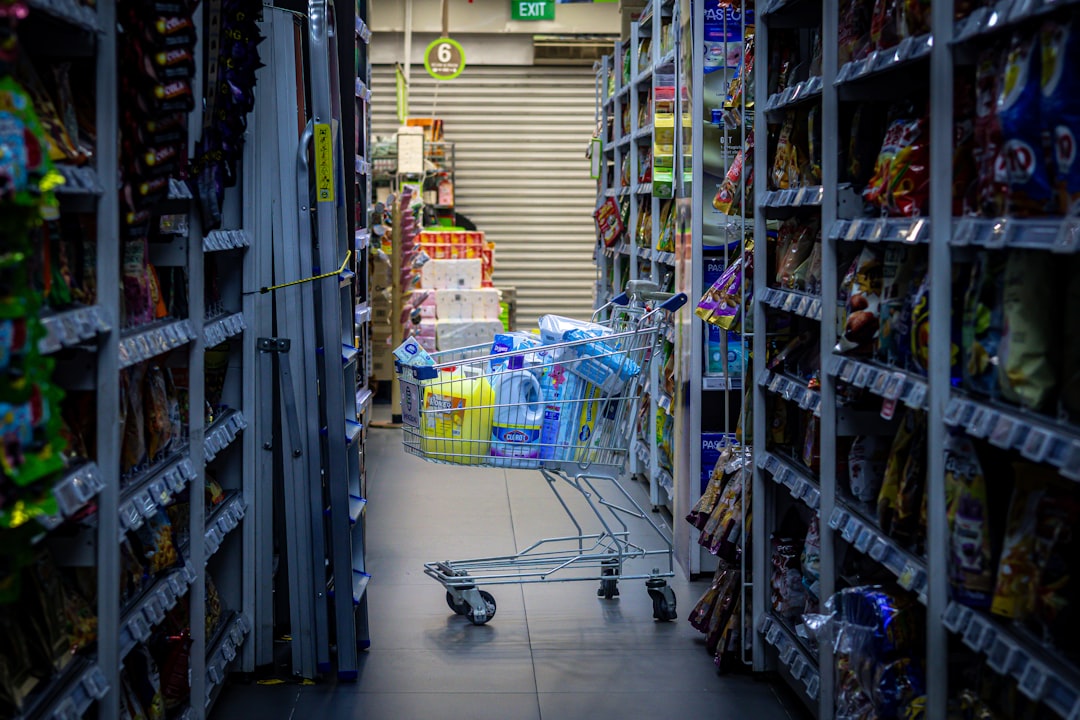
Cart abandonment is a normal part of ecommerce, but it does not have to mean lost revenue. Shoppers leave carts for many reasons: unexpected shipping costs, distraction, comparison shopping, lack of trust, or simply not being ready to buy. Strong cart retargeting strategies help brands reconnect with these shoppers at the right moment, with the right message, and with enough relevance to bring them back.
TLDR: Effective cart retargeting combines timing, personalization, channel selection, and clear incentives. Brands recover more abandoned carts when they segment shoppers, send helpful reminders, reduce friction, and avoid overwhelming customers. The best strategies focus on relevance, trust, and convenience rather than relying only on discounts.
Why Cart Retargeting Matters
Abandoned carts represent high-intent shoppers who have already shown interest in a product. Compared with cold traffic, these visitors are much closer to purchase, which makes retargeting one of the most profitable lifecycle marketing tactics. Instead of treating abandoned carts as failed sales, successful ecommerce teams view them as opportunities to continue the buying conversation.
Cart retargeting works best when it feels helpful rather than aggressive. A shopper who forgot to complete checkout may appreciate a quick reminder. Another shopper who hesitated because of price may respond to free shipping or a limited-time offer. The goal is to understand the likely reason behind abandonment and respond with a message that removes that barrier.
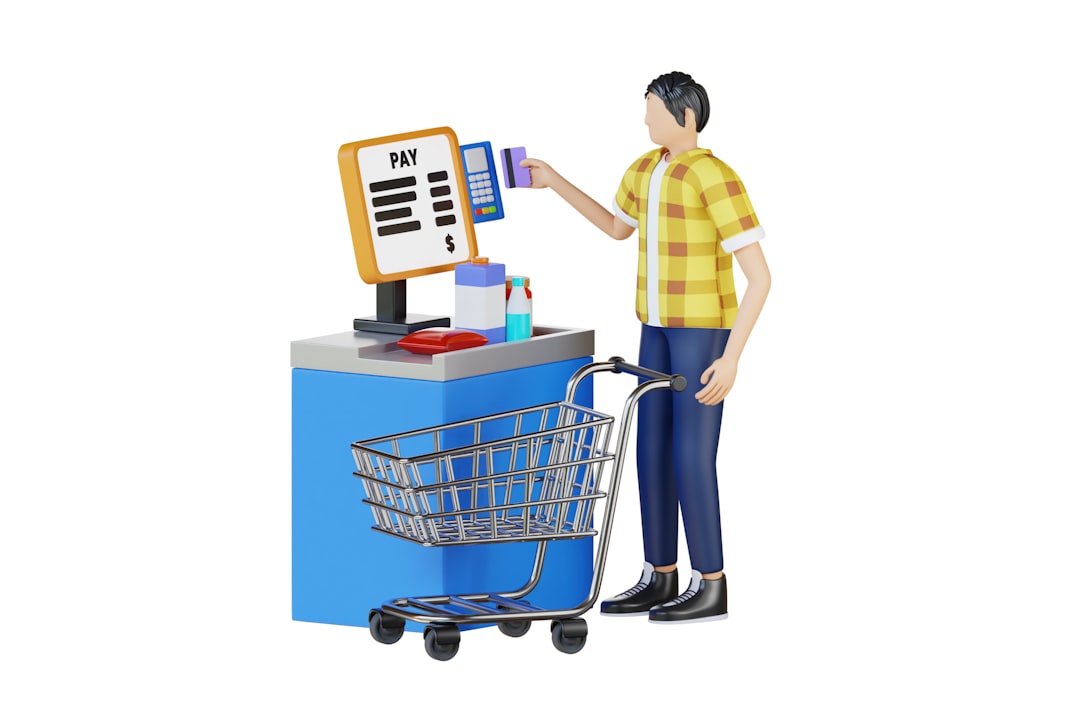
1. Segment Abandoned Cart Shoppers
A single retargeting message rarely works for every shopper. Segmentation allows brands to create more relevant campaigns based on shopper behavior, cart value, purchase history, and product interest.
- First-time visitors: These shoppers may need trust signals, reviews, guarantees, or clearer return policies.
- Returning customers: They may respond well to loyalty points, personalized recommendations, or reminders of past satisfaction.
- High-value carts: These carts may justify stronger incentives, personal assistance, or free expedited shipping.
- Low-value carts: These shoppers may need a simple reminder rather than a discount that reduces margin.
- Product-specific browsers: Messaging can highlight benefits, use cases, size guides, or social proof related to the abandoned item.
Segmentation prevents brands from sending generic messages that feel automated and irrelevant. It also helps protect profit margins by reserving discounts for the shoppers most likely to need them.
2. Use a Timed Email Sequence
Email remains one of the most reliable cart recovery channels because it allows brands to provide product details, images, reviews, and direct checkout links. The timing of the sequence is critical. If the first message arrives too late, the shopper may have purchased elsewhere. If it arrives too soon, it may feel intrusive.
A typical abandoned cart email sequence might include:
- First reminder within 1 to 3 hours: A simple message that says the cart is still waiting. This email should include the product image, price, and a clear button back to checkout.
- Second reminder after 24 hours: This message can address hesitation with customer reviews, product benefits, FAQs, or shipping information.
- Final reminder after 48 to 72 hours: This email may include a modest incentive, such as free shipping, a small discount, or a limited-time bonus.
The most effective abandoned cart emails are short, visual, and easy to act on. The call to action should be obvious, such as “Return to Cart” or “Complete Checkout”. Brands should also ensure the cart is preserved when the shopper clicks through.
3. Personalize the Message
Personalization is more than adding a first name. It involves using behavioral data to make the reminder feel specific and useful. A strong retargeting message shows the exact product left behind, highlights related benefits, and may recommend complementary items.
For example, a shopper who abandoned running shoes might see an email featuring the selected shoe, customer ratings, free return details, and a reminder that certain sizes sell out quickly. This type of message speaks directly to the reason the shopper showed interest in the first place.
Personalization can also include dynamic content such as:
- Product images and names from the abandoned cart
- Customer reviews for the exact product
- Availability or low-stock indicators
- Recommended accessories or bundles
- Location-based shipping estimates
4. Retarget Across Multiple Channels
Not every shopper opens emails. A broader cart retargeting strategy uses multiple channels while maintaining a consistent experience. Paid ads, SMS, push notifications, and social media retargeting can all support abandoned cart recovery.
Paid retargeting ads are useful for keeping products visible as shoppers browse other websites or social platforms. Dynamic product ads are especially effective because they show the exact item left behind. SMS reminders can produce fast results, but they should be used carefully and only with proper consent. Push notifications can work well for app-based stores or shoppers who have opted in through a browser.

The key is coordination. If a shopper receives an email, an SMS, and several ads within minutes, the experience may feel overwhelming. Brands should cap frequency, space messages appropriately, and suppress campaigns once a purchase is completed.
5. Reduce Checkout Friction
Retargeting can bring shoppers back, but the checkout experience must be ready to convert them. If the original reason for abandonment remains unchanged, the shopper may leave again. Brands should review checkout data to identify common friction points.
Common checkout issues include:
- Unexpected shipping fees or taxes
- Forced account creation
- Limited payment options
- Slow page loading
- Complicated coupon fields
- Unclear return policies
- Lack of trust badges or secure payment messaging
A retargeting campaign should often link back to a streamlined checkout page rather than a general product page. Guest checkout, saved cart contents, express payment options, and transparent costs can significantly improve recovery rates.
6. Use Incentives Strategically
Discounts can recover abandoned carts, but they can also train shoppers to wait for offers. A strong strategy uses incentives selectively rather than automatically. Many shoppers only need reassurance, convenience, or a reminder. Discounts should be reserved for cases where they are likely to make a measurable difference.
Alternative incentives may include:
- Free shipping: Often more appealing than a percentage discount, especially when shipping costs caused hesitation.
- Limited-time bonuses: A free sample, gift, or upgrade can protect product value.
- Loyalty points: Returning customers may appreciate rewards without reducing the listed price.
- Flexible returns: Confidence-building policies can remove risk without cutting margins.
Brands should test different offers and measure not only conversion rate, but also average order value and profit. A higher recovery rate is not always better if margins are damaged.
7. Build Trust With Social Proof
Some carts are abandoned because shoppers are uncertain. They may wonder whether the product quality is strong, whether shipping is reliable, or whether returns are simple. Retargeting messages can address those doubts through social proof.
Useful trust elements include customer reviews, star ratings, testimonials, user-generated photos, press mentions, security badges, and satisfaction guarantees. For higher-priced products, comparison guides or product education can also help justify the purchase.
Social proof works best when it is specific. A message that says “Rated 4.8 stars by over 2,000 customers” is more persuasive than a vague claim such as “Customers love this item.”
8. Test, Measure, and Improve
Cart retargeting should be treated as an ongoing optimization process. Brands need to track open rates, click-through rates, recovery rates, revenue per recipient, unsubscribe rates, ad frequency, and return on ad spend. These metrics reveal whether campaigns are helpful or excessive.
A/B testing can improve performance over time. Teams can test subject lines, send times, incentives, product images, call-to-action text, and message length. However, tests should focus on one variable at a time whenever possible, so results remain clear.

It is also important to exclude shoppers who already completed their purchase. Poor suppression rules can lead to awkward experiences, such as showing ads for products a customer has already bought. Clean data and platform integration are essential for a polished retargeting strategy.
FAQ
What is cart retargeting?
Cart retargeting is the process of re-engaging shoppers who added products to a cart but did not complete checkout. It commonly uses email, ads, SMS, or push notifications to encourage shoppers to return and finish the purchase.
How soon should an abandoned cart email be sent?
Many brands send the first reminder within 1 to 3 hours. This timing is often effective because the product is still fresh in the shopper’s mind, but the message does not feel immediate or intrusive.
Should every abandoned cart receive a discount?
No. Discounts should be used strategically. Many carts can be recovered with reminders, reviews, free shipping details, or easier checkout options. Overusing discounts can reduce margins and encourage shoppers to wait for offers.
Which channel works best for cart recovery?
Email is often the foundation of cart recovery, but the best approach depends on the audience. A combination of email, dynamic ads, SMS, and push notifications can work well when frequency is controlled and messages are coordinated.
How can brands avoid annoying shoppers?
Brands can avoid annoyance by limiting message frequency, personalizing content, honoring consent rules, stopping campaigns after purchase, and making each message useful. Retargeting should feel like assistance, not pressure.