


Jupyter Notebook has become one of the most widely used environments for data analysis, especially among data analysts, researchers, students, and machine learning practitioners. It provides an interactive workspace where code, visualizations, explanations, formulas, and results can live together in a single document. Instead of separating analysis from documentation, Jupyter Notebook allows an analyst to explore data step by step while keeping a clear record of the process.
TLDR: Jupyter Notebook is a powerful tool for analyzing data because it combines executable code, written notes, charts, and outputs in one interactive document. A data analyst can use it to import data, clean datasets, run calculations, create visualizations, and document findings. Its cell-based structure makes experimentation easy, while libraries such as pandas, NumPy, Matplotlib, and Seaborn make it especially useful for practical data analysis workflows.
What Is Jupyter Notebook?
Jupyter Notebook is an open-source web application that allows a person to create and share documents containing live code, text, equations, charts, and multimedia. Although it supports several programming languages, it is most commonly used with Python. The name “Jupyter” comes from three core languages: Julia, Python, and R.
In data analysis, Jupyter Notebook is valued because it encourages an exploratory style of work. An analyst can load a dataset, inspect a few rows, test a calculation, create a chart, write an observation, and then continue refining the analysis. This makes it ideal for projects where the path to the final answer is not always known at the beginning.

Why Jupyter Notebook Is Useful for Data Analysis
Jupyter Notebook is especially useful because it supports both analysis and communication. A traditional script may contain only code, while a report may contain only conclusions. Jupyter combines both, which helps another reader understand not only what was discovered, but also how it was discovered.
Some of its main advantages include:
- Interactive execution: Code can be run one cell at a time, making it easier to test ideas quickly.
- Clear documentation: Markdown cells allow the analyst to explain methods, assumptions, and findings.
- Immediate visual feedback: Charts and tables appear directly below the code that creates them.
- Flexible workflow: The analyst can move cells, edit earlier steps, and rerun selected parts of the notebook.
- Strong Python ecosystem: Popular libraries for statistics, visualization, and machine learning work smoothly inside notebooks.
Setting Up Jupyter Notebook
Before starting analysis, Jupyter Notebook must be installed and launched. Many analysts use the Anaconda distribution because it includes Jupyter Notebook, Python, and many common data science libraries in one package. Another common option is installing Jupyter through pip, Python’s package manager.
After installation, Jupyter Notebook can usually be launched from a terminal or command prompt with the following command:
jupyter notebookThis opens a browser-based interface showing files and folders on the local machine. From there, the analyst can create a new notebook, usually selecting a Python kernel. The kernel is the computational engine that runs the code behind the notebook.
Understanding Cells in Jupyter Notebook
A notebook is built from cells. Each cell can contain code, text, or other content. This cell-based structure is one of the features that makes Jupyter Notebook so practical for data analysis.
- Code cells: These cells contain executable code, such as Python commands for loading data or creating charts.
- Markdown cells: These cells contain formatted text, headings, lists, links, equations, and explanations.
- Output areas: When a code cell is run, the result appears directly beneath it.
For example, a markdown cell might describe the goal of the analysis, while the next code cell imports a dataset. Another markdown cell can explain the meaning of a chart after the chart is generated. This creates a logical story from raw data to final insight.
Importing Data into a Notebook
The first practical step in most data analysis projects is importing data. Jupyter Notebook is commonly used with the pandas library, which provides powerful tools for reading and manipulating structured data.
A typical notebook begins by importing essential libraries:
import pandas as pd
import numpy as np
import matplotlib.pyplot as plt
import seaborn as sns
Then the analyst can load a dataset. For example, a CSV file can be imported with:
df = pd.read_csv("sales_data.csv")After loading the data, the analyst usually checks the first few rows:
df.head()This simple command displays a preview of the dataset, making it easier to understand the columns, values, and general structure.
Exploring the Dataset
Exploratory data analysis, often called EDA, is one of the most important stages of working with data. In this phase, the analyst investigates the dataset to identify patterns, errors, missing values, and relationships between variables.
Useful commands include:
df.shapeto check the number of rows and columns.df.info()to view column names, data types, and missing values.df.describe()to generate summary statistics.df.isnull().sum()to count missing values in each column.df.value_counts()to understand category frequencies.
These commands help the analyst form an initial understanding of the data. For example, if a sales dataset contains missing revenue values, duplicated rows, or dates stored as text, those issues should be addressed before deeper analysis begins.

Cleaning and Preparing Data
Real-world data is rarely perfect. It may contain missing values, inconsistent labels, duplicate rows, incorrect data types, or outliers. Jupyter Notebook is well suited for data cleaning because each cleaning step can be documented and tested independently.
Common cleaning tasks include:
- Removing duplicates: Duplicate records can be removed using
df.drop_duplicates(). - Handling missing values: Missing values may be filled, removed, or investigated further.
- Converting data types: Date columns can be converted using
pd.to_datetime(). - Renaming columns: Clear column names make analysis easier to read and maintain.
- Filtering rows: The analyst can focus on relevant time periods, categories, or conditions.
For example, if a dataset contains a date column, it can be converted as follows:
df["date"] = pd.to_datetime(df["date"])Good data cleaning improves the accuracy and reliability of every later step. It also makes the notebook more valuable as a record of how the final dataset was created.
Analyzing Data with Python Libraries
Once the data is clean, the analyst can begin answering questions. Python libraries make it possible to group data, calculate summary statistics, compare categories, and discover patterns.
For example, if a sales dataset includes a region column and a revenue column, total revenue by region can be calculated with:
df.groupby("region")["revenue"].sum()Other common analysis tasks include:
- Calculating averages, medians, minimums, and maximums.
- Comparing performance across categories.
- Measuring correlation between numeric variables.
- Creating time-based trends from date columns.
- Segmenting customers, products, or events into meaningful groups.
Because Jupyter Notebook runs code interactively, the analyst can test one question, inspect the result, and then ask a new question. This makes the analysis process flexible and efficient.
Creating Visualizations
Visualizations are essential for communicating data clearly. Jupyter Notebook supports static and interactive charts through libraries such as Matplotlib, Seaborn, Plotly, and Bokeh. Charts help reveal trends, outliers, distributions, and comparisons that may not be obvious in raw tables.
For example, a simple bar chart can be created with:
region_sales = df.groupby("region")["revenue"].sum()
region_sales.plot(kind="bar")
plt.title("Revenue by Region")
plt.xlabel("Region")
plt.ylabel("Revenue")
plt.show()
Seaborn can be used for more polished statistical charts:
sns.scatterplot(data=df, x="marketing_spend", y="revenue")
plt.title("Marketing Spend vs Revenue")
plt.show()
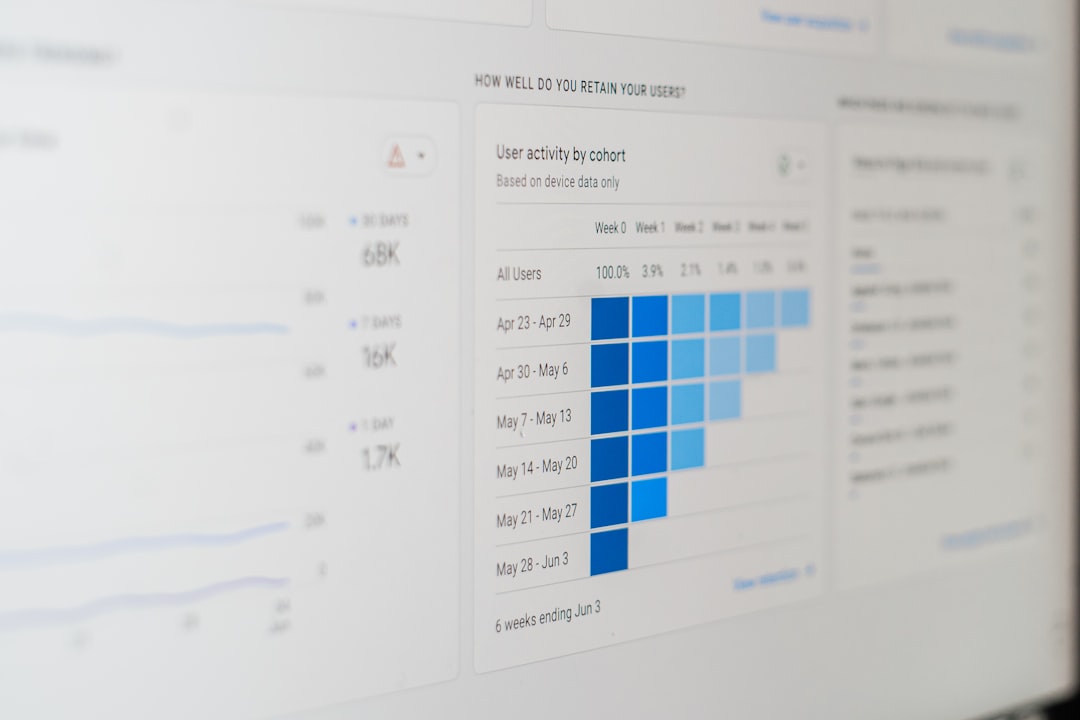
The analyst should choose visualizations based on the question being asked. A line chart is useful for trends over time, a bar chart works well for category comparisons, a histogram shows distribution, and a scatter plot helps reveal relationships between two numeric variables.
Documenting the Analysis
One of Jupyter Notebook’s strongest features is its ability to combine code with written explanation. A strong notebook should not be only a collection of code cells. It should include markdown sections that explain the purpose of the analysis, define key assumptions, interpret charts, and summarize findings.
Good documentation might include:
- Objective: A short explanation of the business or research question.
- Data source: A description of where the data came from.
- Cleaning steps: Notes explaining how missing values or errors were handled.
- Key findings: Brief interpretations after important calculations or charts.
- Limitations: Any weaknesses or uncertainties in the data or method.
A well-documented notebook becomes easier to review, share, and reproduce. It also helps the analyst return to the project weeks or months later without needing to remember every detail.
Running and Managing Notebook Cells
Jupyter Notebook allows cells to be run in different orders, but this flexibility can create confusion if the notebook is not organized carefully. A variable may exist because an earlier cell was run, even if that cell appears later in the notebook. For this reason, analysts should periodically restart the kernel and run all cells from top to bottom.
This practice helps confirm that the notebook is reproducible. If the notebook runs successfully from beginning to end, another person is more likely to get the same results. Clear structure, consistent variable names, and logical cell order are important parts of reliable analysis.
Exporting and Sharing Results
After the analysis is complete, Jupyter Notebook can be shared in several formats. The original .ipynb file preserves code, outputs, markdown, and visualizations. The notebook can also be exported as HTML, PDF, or slides, depending on the audience.
For technical collaborators, sharing the notebook file may be best. For managers or nontechnical readers, an HTML or PDF version may be more appropriate because it presents the results like a report. In some cases, the analyst may remove unnecessary exploratory code and keep only the final, polished version of the notebook.
Best Practices for Data Analysis in Jupyter Notebook
To use Jupyter Notebook effectively, an analyst should follow a few best practices:
- Keep notebooks organized: Use clear headings and arrange sections in a logical order.
- Use meaningful variable names: Names such as
monthly_salesare clearer thanxortemp. - Document assumptions: Important decisions should be explained in markdown cells.
- Restart and run all: This confirms that the notebook works from start to finish.
- Avoid excessive output: Large tables and unnecessary logs can make notebooks hard to read.
- Version control important work: Git or another version control system can help track changes.
- Separate reusable code: Functions and repeated logic can be moved into scripts when projects grow larger.
These habits make notebooks cleaner, more professional, and easier to share with others.
Conclusion
Jupyter Notebook is a practical and flexible environment for data analysis because it supports the full workflow: importing data, exploring it, cleaning it, analyzing it, visualizing results, and documenting conclusions. Its interactive structure encourages experimentation, while its markdown support helps turn analysis into a readable story. When used carefully, Jupyter Notebook becomes more than a coding tool; it becomes a complete record of how data was transformed into insight.
FAQ
What is Jupyter Notebook used for in data analysis?
Jupyter Notebook is used to write and run code, inspect datasets, clean data, perform calculations, create charts, and document findings in one interactive file.
Is Jupyter Notebook only for Python?
No. Jupyter Notebook supports multiple programming languages, including Python, R, and Julia. However, Python is the most commonly used language for data analysis in Jupyter.
Which libraries are most useful in Jupyter Notebook?
The most common libraries include pandas for data manipulation, NumPy for numerical work, Matplotlib and Seaborn for visualization, and scikit-learn for machine learning.
Can Jupyter Notebook handle large datasets?
It can handle moderately large datasets, but performance depends on system memory and processing power. For very large datasets, analysts may use tools such as databases, Dask, PySpark, or cloud-based platforms.
How can a notebook be shared with others?
A notebook can be shared as an .ipynb file or exported to HTML, PDF, or slides. It can also be uploaded to platforms that support notebook viewing and collaboration.
What is the best way to keep a notebook organized?
A notebook should use clear headings, short code cells, meaningful variable names, explanatory markdown, and a logical order from data import to final conclusions.