

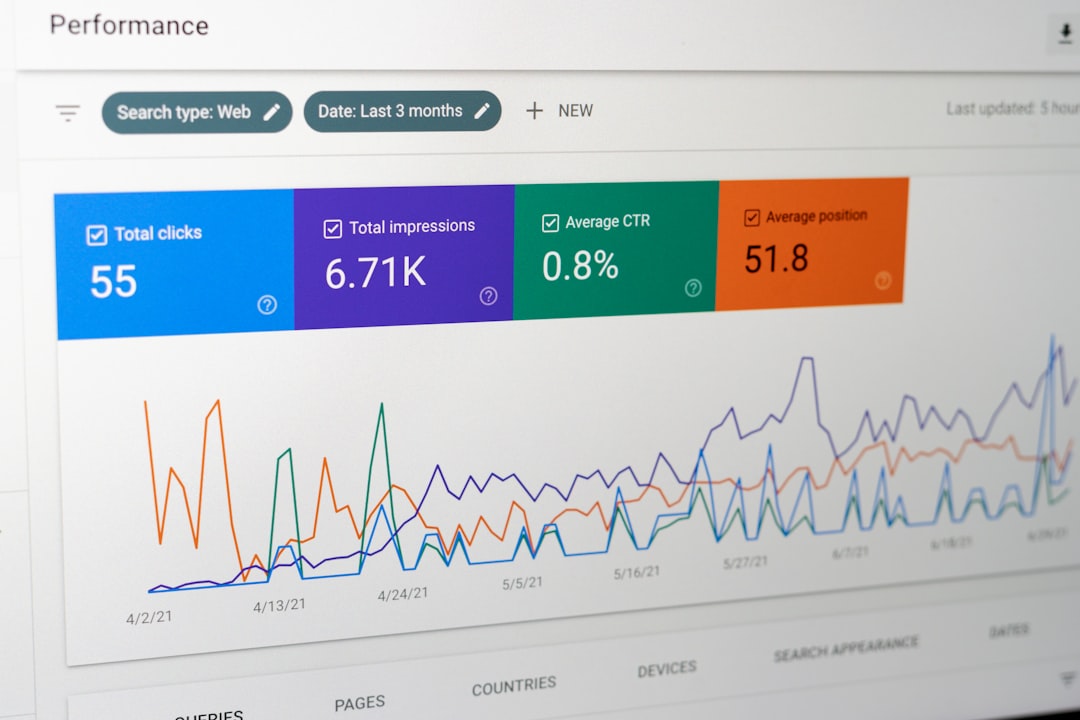
Maintaining a healthy website requires more than publishing fresh content and attracting backlinks. Behind the scenes, technical issues such as broken links, redirect chains, and missing pages can quietly damage user experience and search engine rankings. This is where broken link checker apps like Ahrefs play a crucial role. These tools help website owners, SEO professionals, and developers monitor site integrity, uncover technical errors, and maintain optimal website performance.
TL;DR: Broken link checker apps like Ahrefs help identify dead links, redirect issues, and crawling errors that negatively impact SEO and user experience. They provide automated audits, detailed reports, and actionable insights for improving website health. Many alternatives also offer competitive features such as backlink monitoring, internal link analysis, and real-time alerts. Choosing the right tool depends on site size, budget, and auditing needs.
Why Broken Links Matter for Website Health
Broken links occur when a hyperlink points to a page that no longer exists or returns an error such as 404 Not Found. These links can be internal (within the same domain) or external (pointing to other websites). While they may seem minor, their impact can be significant.
- Poor User Experience: Visitors encountering broken pages lose trust and may leave the site.
- Lower Search Engine Rankings: Search engines interpret broken links as signs of neglect or poor maintenance.
- Crawl Budget Waste: Search engine bots waste time crawling invalid pages instead of valuable content.
- Lost Link Equity: Broken backlinks can reduce the authority passing through the site.
Regular audits with specialized tools ensure that these issues are detected early and resolved efficiently.
How Broken Link Checker Apps Work
Broken link checker tools operate by systematically crawling websites—similar to how search engine bots function. They analyze each URL, check HTTP status codes, and report errors such as 404, 500, or incorrect redirects.
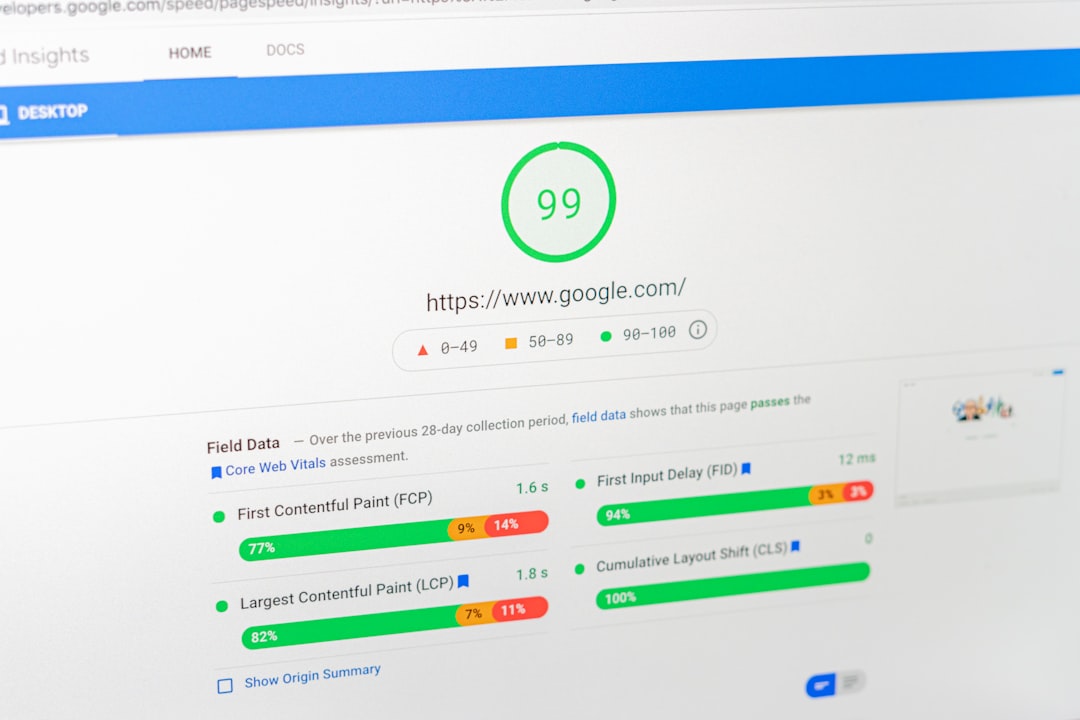
Most advanced apps like Ahrefs go beyond simple link checking. They typically include:
- Full Site Crawls that scan thousands or millions of URLs.
- Backlink Analysis to detect lost or broken inbound links.
- Internal Link Mapping to visualize site architecture.
- Anchor Text Reports for optimizing link relevance.
- Real-Time Alerts when new issues appear.
These features transform broken link detection into a comprehensive website health audit.
Ahrefs as a Benchmark for Website Auditing
Ahrefs is widely recognized as a powerful SEO suite that includes a robust Site Audit feature. Its broken link checker scans websites for HTTP errors, redirect loops, orphan pages, and more. It categorizes issues by priority, helping teams address the most critical problems first.
Some standout capabilities include:
- Health Score Metric summarizing overall site condition.
- Historical Data Tracking to monitor improvements over time.
- Backlink Monitoring to catch broken inbound links.
- Integration With Other SEO Metrics like keyword rankings and domain authority.
However, Ahrefs is not the only solution available. Many businesses explore alternatives based on cost, usability, or specialized features.
Popular Broken Link Checker Apps Like Ahrefs
Several tools offer comparable auditing functionality. Each has its strengths depending on the size and needs of a website.
1. SEMrush Site Audit
SEMrush offers a powerful crawler that detects broken internal and external links, crawl errors, and HTTPS implementation issues. It features:
- Customizable crawl limits
- Thematic reports
- Visualization tools
- Automated weekly audits
2. Screaming Frog SEO Spider
This downloadable desktop tool is popular among technical SEO professionals. It enables detailed parameter configuration and is ideal for in-depth technical audits.
Key benefits:
- Advanced filtering options
- Custom extraction features
- Integration with analytics platforms
- Cost-effective licensing
3. Moz Pro Site Crawl
Moz Pro includes automated site crawling and alerts for link issues. Its simplified interface makes it accessible for marketing teams without deep technical knowledge.
4. Sitechecker
Designed for ease of use, Sitechecker is a cloud-based auditing tool that identifies broken links, missing meta tags, and indexing errors.
5. Dead Link Checker
A lightweight option that focuses purely on detecting broken links. While it lacks extensive SEO features, it is helpful for quick scans.
Core Features to Look for in a Broken Link Checker
Not all broken link checker apps are created equal. When evaluating tools, businesses should consider the following criteria:
- Crawl Depth and Speed: Can the tool handle large websites efficiently?
- Error Categorization: Does it prioritize critical failures?
- Backlink Monitoring: Does it detect broken inbound links?
- Exportable Reports: Can results be easily shared with teams?
- Automation: Are scheduled scans and alerts available?
- Integration Capabilities: Does it connect with analytics, CMS platforms, or project management tools?
Tools that combine these features provide not just issue detection, but strategic insight for long-term site optimization.
The SEO Impact of Fixing Broken Links
Repairing broken links can lead to measurable SEO improvements. Search engines favor well-maintained sites that deliver seamless navigation. Regular audits can result in:
- Improved Crawl Efficiency: Bots spend more time indexing valuable pages.
- Higher User Retention: Visitors encounter fewer obstacles.
- Better Internal Link Equity Distribution: Authority flows effectively through the site.
- Increased Backlink Value Recovery: Redirecting broken inbound links restores lost authority.
For e-commerce stores, publishers, and enterprise-level websites, these improvements can translate directly into increased traffic and conversions.
Internal vs. External Broken Links
Understanding the difference between internal and external broken links helps prioritize fixes.
Internal Broken Links
- Occur within the same domain.
- Often caused by deleted pages or incorrect URLs.
- Should be fixed immediately to maintain site integrity.
External Broken Links
- Point to pages on other domains.
- May break without the site owner’s knowledge.
- Can be updated or replaced with active resources.
Advanced apps like Ahrefs detect both types and offer contextual insights for resolving them efficiently.
Backlink Auditing and Link Reclamation
One powerful benefit of tools similar to Ahrefs is their ability to identify broken backlinks. These occur when external websites link to a page that no longer exists on your domain.
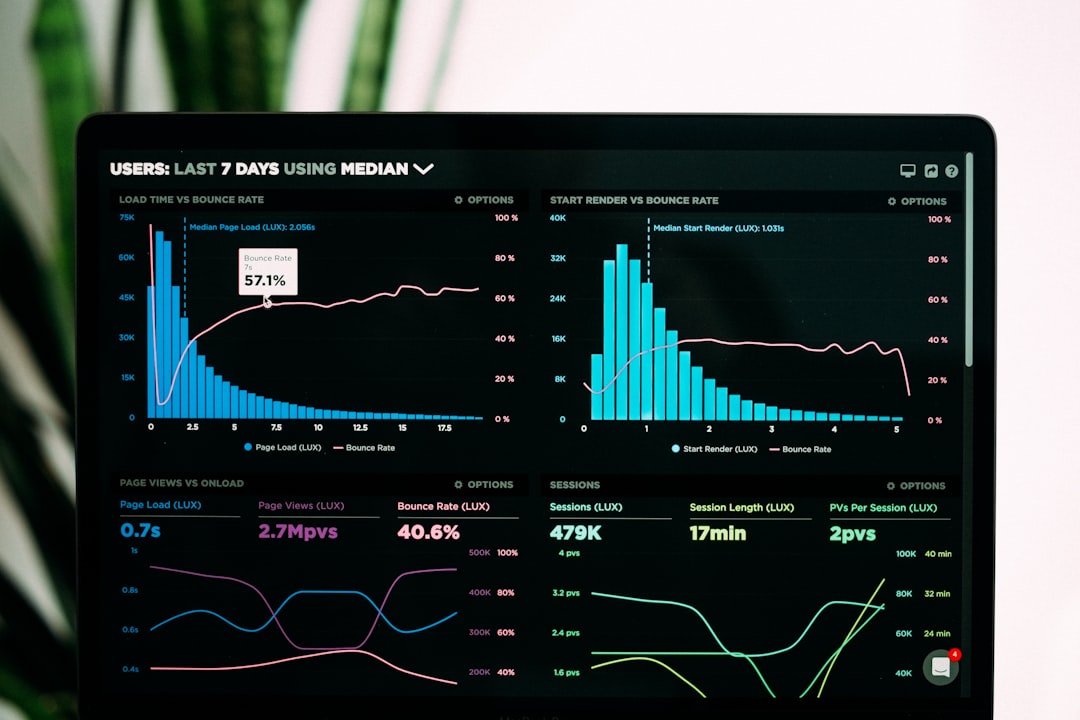
Instead of losing valuable authority, site owners can:
- Create redirects to relevant active pages.
- Restore deleted content.
- Reach out to referring sites to update URLs.
This process, known as link reclamation, can significantly boost domain authority and keyword rankings.
Manual Checking vs. Automated Tools
While free browser extensions and manual spot-checking are options, they are not scalable solutions. Automated tools provide:
- Comprehensive domain-wide scans.
- Time efficiency for large websites.
- Data-driven prioritization.
- Continuous monitoring.
Manual methods might work for small blogs, but growing businesses require streamlined auditing solutions to remain competitive.
How Often Should Website Audits Be Conducted?
The frequency depends on how often website content changes.
- Small Static Sites: Monthly audits may suffice.
- Active Blogs: Biweekly checks are recommended.
- E-commerce and Enterprise Sites: Weekly or continuous monitoring is ideal.
Routine scanning ensures that technical problems do not accumulate and cause ranking drops.
Choosing the Right Tool
Selecting among broken link checker apps like Ahrefs requires evaluating business goals and budget considerations.
For large organizations requiring deep backlink analysis and competitive research, comprehensive platforms may be best. Smaller websites with limited budgets might prioritize straightforward tools focused solely on broken links.
The key is consistency. Even the most advanced tool provides value only when used regularly and strategically.
Conclusion
Broken link checker apps like Ahrefs are essential components of modern website management. They safeguard user experience, preserve SEO equity, and ensure that website architecture remains functional and efficient. By automating detection and providing actionable insights, these tools help businesses maintain strong search visibility and credibility.
In an increasingly competitive digital landscape, proactive website health monitoring is no longer optional—it is a foundational practice for sustainable online growth.
Frequently Asked Questions (FAQ)
-
1. What is a broken link checker app?
A broken link checker app scans websites for hyperlinks that lead to error pages, such as 404 or server errors, and provides reports for fixing them. -
2. Is Ahrefs only for backlink analysis?
No. While Ahrefs is known for backlink analysis, it also offers comprehensive site audit tools that detect broken links, crawl errors, and technical SEO issues. -
3. Are free broken link checkers sufficient?
Free tools can work for small websites but often lack advanced features like automated scans, backlink tracking, and detailed reporting needed for larger sites. -
4. How do broken links affect SEO rankings?
Broken links hurt user experience, waste crawl budget, and can reduce link equity, all of which negatively impact search engine rankings. -
5. How can broken backlinks be recovered?
Broken backlinks can be reclaimed by setting up redirects, restoring deleted content, or contacting referring websites to update the link. -
6. How long does a website audit take?
It depends on site size and tool capability. Small sites may take minutes, while large enterprise sites may require several hours for a full crawl. -
7. How often should broken links be checked?
Active websites should perform audits weekly or biweekly, while smaller static sites can check monthly.